CM Dhami Hails 12 Years of Modi-Led Infrastructure Growth
Synopsis
Uttarakhand CM Pushkar Singh Dhami on June 16, 2026 lauded PM Modi's 12-year infrastructure record, highlighting the Chenab Bridge, Bharatmala highways, FASTag, railway electrification, and the Bairabi–Sairang rail project as milestones of national transformation.
Key Takeaways
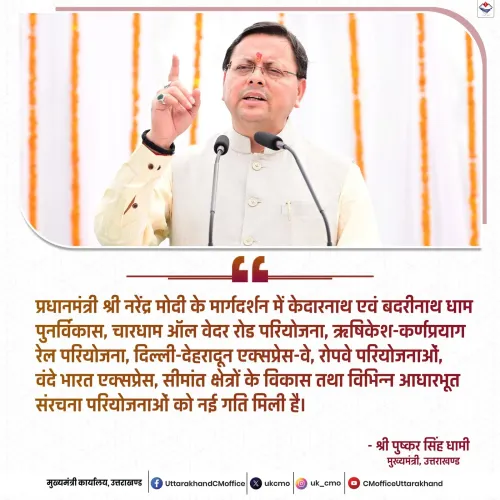
Uttarakhand CM Pushkar Singh Dhami posted on June 16, 2026, crediting PM Modi with 12 years of 'unprecedented' infrastructure transformation.
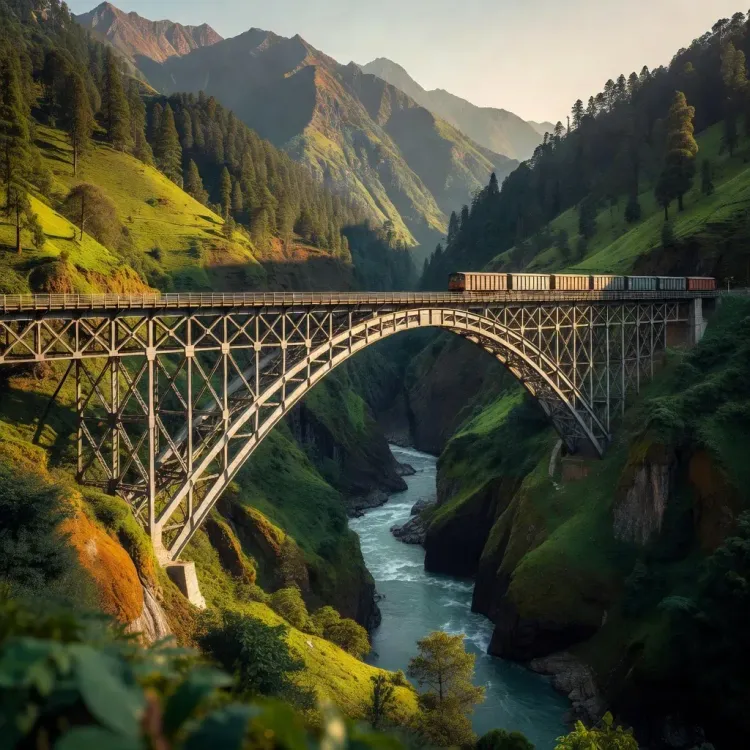
The Chenab Bridge in Jammu and Kashmir, the world's highest railway arch bridge, was cited as a landmark engineering achievement.
The Bairabi–Sairang rail project was highlighted as a key connectivity initiative for the Northeast, specifically Mizoram.
Bharatmala Pariyojana , approved in 2015, targets 34,800 km of national highways and underpins the modern highway network referenced by Dhami.
Dedicated Freight Corridors and FASTag electronic tolling were cited as pillars of logistics modernisation under the Modi government.
The post aligns with the BJP's broader #12YearsOfNayaBharatNirman campaign marking 12 years of the Modi government.
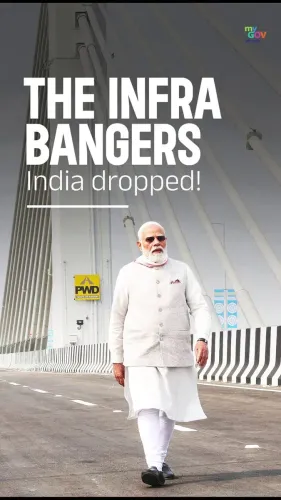
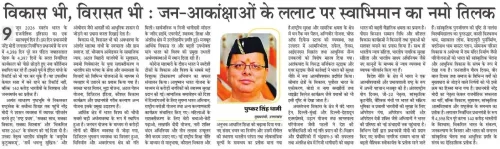
Uttarakhand Chief Minister Pushkar Singh Dhami on Tuesday, June 16, 2026, credited Prime Minister Narendra Modi with overseeing an 'unprecedented transformation' in India's infrastructure over the past 12 years, pointing to landmark projects spanning railways, highways, and freight logistics as evidence of a nation reshaped from its remotest corners.
Context
Writing in Hindi under the hashtag #12YearsOfNayaBharatNirman ('12 years of building a new India'), CM Dhami framed the infrastructure push not merely as a construction exercise but as 'a resolve to give new momentum to the dreams of crores of Indians.' The post coincides with a broader BJP campaign marking 12 years of the Modi government's tenure, with party leaders across states amplifying the infrastructure narrative.
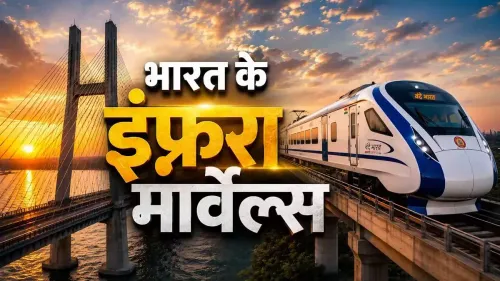
Dhami specifically cited the Chenab Bridge — the world's highest railway arch bridge, located in Jammu and Kashmir on the Udhampur–Srinagar–Baramulla Rail Link (USBRL) corridor — as a symbol of engineering achievement. He also highlighted the Bairabi–Sairang rail project, a broad-gauge line designed to deepen connectivity into Mizoram in the Northeast.
Policy Backdrop
The projects Dhami references trace their lineage to policy decisions taken over the past decade-plus. Bharatmala Pariyojana, approved by the Cabinet in 2015, targets the development of 34,800 km of national highways, with a focus on economic corridors, inter-corridors, and ring roads to optimise logistics costs. The scheme introduced modern highway standards and integrated FASTag electronic tolling, which has since become mandatory across the national network.
The Dedicated Freight Corridors (DFCs) — the Eastern and Western corridors — received formal approval in 2006 but saw accelerated construction after 2014. Designed to separate freight traffic from passenger rail, the DFCs are central to the government's logistics-cost reduction strategy. Successive Railway budgets through the 2010s also reiterated targets for full electrification of the broad-gauge network, a goal the government has consistently presented as both an environmental and operational efficiency measure.
Connectivity to Jammu and Kashmir and the Northeast has been a recurring strategic priority, with projects in difficult terrain positioned simultaneously as instruments of economic integration and national security.
Stakeholders and Impact
Residents of the Northeast, long underserved by rail infrastructure, stand to benefit most directly from projects like the Bairabi–Sairang line, which aims to bring Mizoram into the broad-gauge network. Highway users and freight operators across the country have seen measurable changes from FASTag adoption and the operationalisation of DFC sections, which reduce transit times and lower logistics costs for industry.
The Chenab Bridge and the broader USBRL project are expected to transform access to the Kashmir Valley, reducing dependence on road connectivity that is frequently disrupted by weather. For the government, these projects also carry a symbolic weight: they represent state capacity to execute complex engineering in challenging geographies.
What's Next
Attention will now turn to completion milestones on the remaining USBRL sections and any Cabinet movement on Bharatmala Phase-II stretches. The political drumbeat around the 12-year infrastructure narrative is likely to intensify as the BJP positions its governance record ahead of state and national electoral cycles. CM Dhami's post signals that Uttarakhand's leadership intends to stay closely aligned with the Centre's development messaging as a core political identity.
Point of View
Tying their own identity to Modi's developmental record. By invoking the Chenab Bridge and Northeast rail connectivity alongside Bharatmala and FASTag, the post weaves together security-sensitive geographies and everyday logistics into a single, unified story of state capability. This framing serves a dual purpose: it reinforces the party's core 'vikas' (development) pitch while positioning infrastructure as an instrument of national integration rather than mere public spending. With electoral cycles looming, expect this infrastructure-as-patriotism messaging to intensify across BJP-governed states.
NationPress
16 Sept 2026
Frequently Asked Questions
What is the Chenab Bridge and why is it significant?
The Chenab Bridge is the world's highest railway arch bridge, located in Jammu and Kashmir on the Udhampur–Srinagar–Baramulla Rail Link (USBRL) corridor. It is significant because it represents a major engineering feat in difficult Himalayan terrain and is central to connecting the Kashmir Valley by rail.
What is the Bairabi–Sairang rail project?
The Bairabi–Sairang project is a broad-gauge railway line aimed at extending rail connectivity into Mizoram in Northeast India. It is part of the central government's push to integrate the Northeast into the national rail network.
What is Bharatmala Pariyojana?
Bharatmala Pariyojana is a national highway development programme approved by the Cabinet in 2015, targeting the construction of 34,800 km of roads including economic corridors, inter-corridors, and ring roads to reduce logistics costs across India.
What are Dedicated Freight Corridors in India?
Dedicated Freight Corridors (DFCs) are specialised rail lines built to carry goods traffic separately from passenger trains. The Eastern and Western DFCs received formal approval in 2006 and saw accelerated construction after 2014, aiming to lower logistics costs and improve freight transit times.
Why did CM Dhami post about infrastructure on June 16, 2026?
CM Dhami's post aligns with the BJP's #12YearsOfNayaBharatNirman campaign, marking 12 years of the Narendra Modi government. Party leaders across states have been amplifying the infrastructure development narrative as part of this political outreach.