CM Dhami: Modi's guidance drives border infrastructure in Uttarakhand
Synopsis
Chief Minister Pushkar Singh Dhami on 16 June 2026 credited PM Modi's guidance for accelerating infrastructure and border-area development in Uttarakhand, marking 12 years of the Garib Kalyan welfare framework.
Key Takeaways
CM Pushkar Singh Dhami stated that PM Modi's guidance has given new momentum to development in Uttarakhand's border areas and infrastructure projects.
The statement was made in the context of #12YearsofGaribKalyan , marking a decade-plus of the central government's pro-poor welfare framework since 2014 .
Uttarakhand shares international borders with China and Nepal , making frontier connectivity a strategic national priority.
The Border Roads Organisation (BRO) has received expanded mandates and funding since 2014 to improve all-weather road and tunnel access in Himalayan states.
Border residents and hill communities are the primary beneficiaries of accelerated infrastructure investment in the state.
Budget allocations for Uttarakhand border roads and schemes like the Vibrant Villages Programme in 2026-27 will be a key indicator of continued momentum.
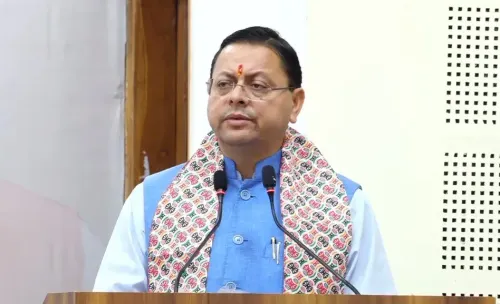
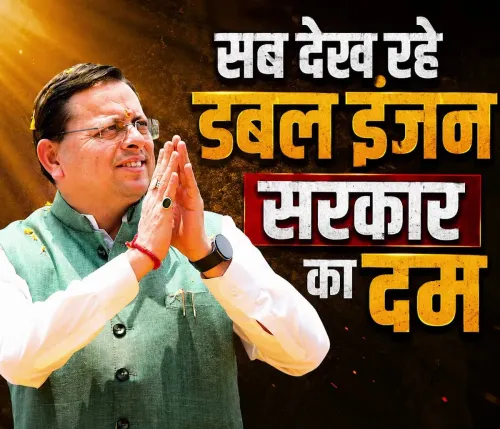
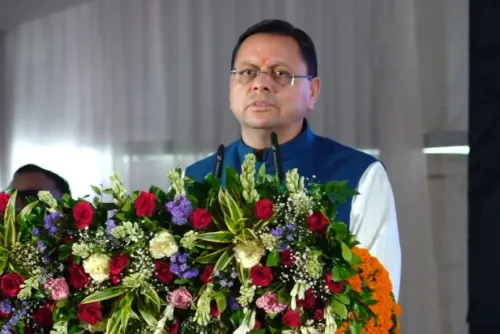
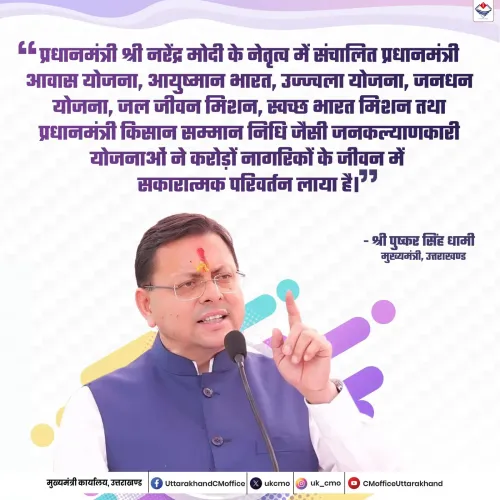
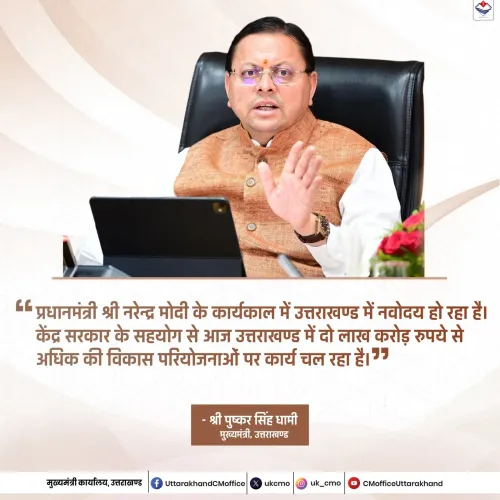
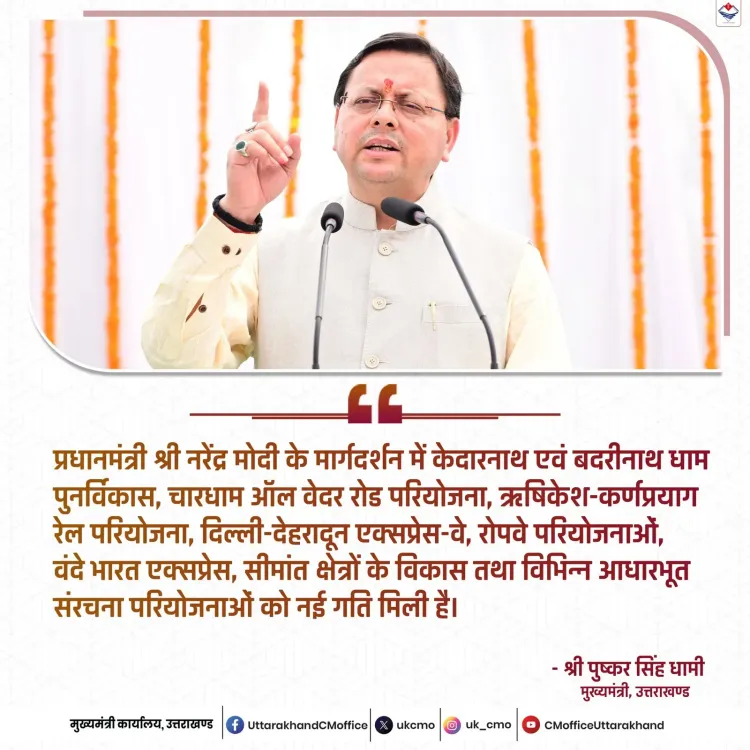
Chief Minister Pushkar Singh Dhami on Tuesday, 16 June 2026, credited Prime Minister Narendra Modi's leadership for accelerating development in Uttarakhand's frontier regions and giving fresh momentum to infrastructure projects across the state. The statement was shared by the Chief Minister's Office of Uttarakhand on its official X account, accompanied by the hashtag #12YearsofGaribKalyan.
Context
Quoting CM Dhami directly, the post stated: 'प्रधानमंत्री श्री नरेंद्र मोदी के मार्गदर्शन में सीमांत क्षेत्रों के विकास तथा विभिन्न आधारभूत संरचना परियोजनाओं को नई गति मिली है' — translated as: 'Under the guidance of Prime Minister Narendra Modi, development of border areas and various infrastructure projects has received new momentum.' The remark was timed to mark 12 years of the Garib Kalyan welfare framework that the central government has championed since 2014.
Uttarakhand shares sensitive international borders with China and Nepal, making frontier connectivity both a strategic and a developmental imperative. The state's hill communities and border residents have long been at the centre of central government programmes aimed at last-mile infrastructure delivery.
Policy Backdrop
Since 2014, the central government has significantly expanded the mandate and budget of the Border Roads Organisation (BRO), directing resources toward road-widening, tunnel construction, and all-weather connectivity in Himalayan states including Uttarakhand. These efforts are part of a broader national strategy to integrate remote frontier zones with the country's economic mainstream.
The PM Garib Kalyan Anna Yojana, launched in 2020 and subsequently extended, is the flagship welfare measure under the Garib Kalyan umbrella. The hashtag #12YearsofGaribKalyan marks the anniversary of this wider pro-poor policy arc, which encompasses direct-benefit transfers, food security, and rural infrastructure. CM Dhami's statement explicitly links physical infrastructure gains in border areas to this same central policy vision.
Stakeholders and Impact
The communities most directly affected by these initiatives are the residents of Uttarakhand's remote border districts — populations that have historically faced limited road access, seasonal isolation, and inadequate public services. Improved connectivity translates into faster movement of goods, better access to healthcare and education, and enhanced strategic mobility for security forces.
The statement also carries political significance: by anchoring state-level infrastructure progress to PM Modi's guidance, CM Dhami reinforces the alignment between the state's BJP government and the central administration, a pattern consistent with similar communications from other BJP-governed hill states.
What's Next
Attention will now turn to state and central budget allocations for 2026-27, particularly line items relating to border roads, tunnels, and frontier development schemes such as the Vibrant Villages Programme, which targets habitations along India's northern border. Review meetings between the state government and central ministries on ongoing connectivity projects in Uttarakhand are expected to follow. The pace of on-ground project completion will ultimately determine whether the momentum CM Dhami described translates into measurable change for border communities.
Point of View
Pegged to #12YearsofGaribKalyan, situates Uttarakhand's border infrastructure story within a national anniversary narrative, amplifying both the welfare and the security-connectivity dimensions of the Modi government's Himalayan agenda. For a border state with strategic exposure to China and Nepal, such communications also serve a softer geopolitical signalling function. The real test will be whether project timelines and budget flows in 2026-27 match the momentum the Chief Minister has described.
NationPress
15 Sept 2026
Frequently Asked Questions
What did CM Dhami say about border development in Uttarakhand?
CM Pushkar Singh Dhami stated that under PM Modi's guidance, development of border areas and various infrastructure projects in Uttarakhand has received new momentum, as shared by the Chief Minister's Office on 16 June 2026.
What is the Garib Kalyan scheme and why is 2026 significant?
Garib Kalyan is an umbrella framework for the central government's pro-poor welfare measures since 2014, including food security and direct-benefit transfers. The year 2026 marks 12 years of this policy arc, referenced in the hashtag #12YearsofGaribKalyan.
Why is border infrastructure important for Uttarakhand?
Uttarakhand shares international borders with China and Nepal, making all-weather roads, tunnels, and connectivity projects strategically vital for national security as well as for the welfare of remote hill and frontier communities.
What role does the Border Roads Organisation play in Uttarakhand?
The Border Roads Organisation has been the primary agency building and maintaining roads and tunnels in Uttarakhand's frontier zones, with its mandate and funding significantly expanded by the central government since 2014.
What infrastructure schemes are active in Uttarakhand's border areas?
Key initiatives include BRO-led road and tunnel projects and the Vibrant Villages Programme, which targets habitations along India's northern border to improve connectivity and reduce seasonal isolation for frontier communities.