CM Dhami: Modi shifted India's border development mindset
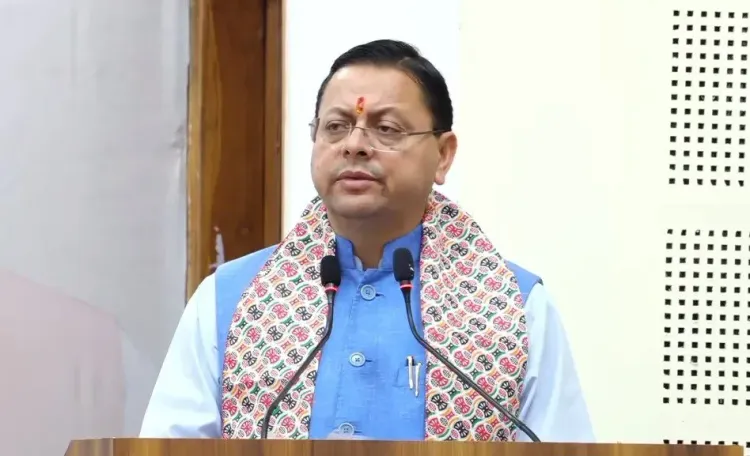
Synopsis
Chief Minister Pushkar Singh Dhami says PM Modi overturned a long-held Indian doctrine that border development invites enemy attack, crediting the post-2014 government with driving roads and connectivity into Uttarakhand's frontier zones.
Key Takeaways
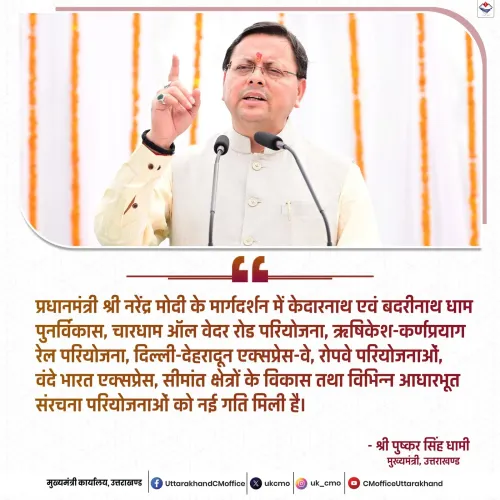
The Chief Minister's Office of Uttarakhand quoted CM Pushkar Singh Dhami on 25 July 2026 crediting PM Modi with reversing India's pre-2014 border infrastructure restraint.
Before 2014 , Indian policy held that developing border areas could make them easier for adversaries to exploit — a doctrine CM Dhami says has now been discarded.
The Border Roads Organisation (BRO) and Bharatmala framework have been central to accelerated connectivity in Uttarakhand's frontier districts post-2014.
Construction pace increased sharply after the Galwan clash of 2020 , with new projects sanctioned across Uttarakhand , Ladakh , and other border states.
Residents of border districts such as Chamoli , Pithoragarh , and Uttarkashi are among the primary civilian beneficiaries of the expanded road network.
The statement carries political weight, framing border development as a post-2014 achievement ahead of future electoral cycles in the state.
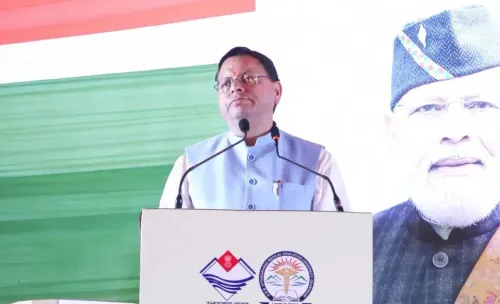
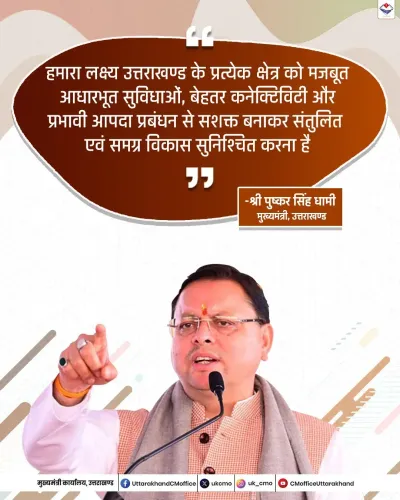
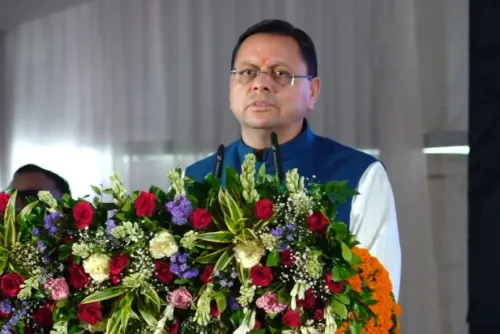
The Chief Minister's Office of Uttarakhand on Saturday, 25 July 2026 shared a statement by Chief Minister Pushkar Singh Dhami asserting that Prime Minister Narendra Modi fundamentally changed India's approach to infrastructure development in border regions, moving away from a decades-old strategic restraint that had kept frontier areas deliberately underdeveloped.
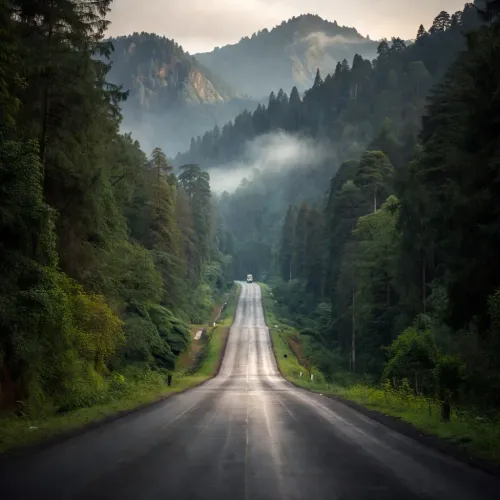
Quoting CM Dhami directly, the post stated: '2014 से पहले देश के अंदर अवधारणा थी कि सीमा पर विकास से दुश्मन हम पर हमला कर सकता है' — 'Before 2014, there was a perception within the country that development on the border could invite enemy attack. But the Prime Minister changed that perception. Today, border areas are being developed and roads are reaching everywhere.'
Context
Uttarakhand shares sensitive international boundaries with both China and Nepal, making it one of India's most strategically significant frontier states. For decades, successive central governments limited road and infrastructure construction in these zones, operating on the doctrine that improved access could aid an adversary's advance into Indian territory as much as it could help defenders.
CM Dhami's remarks challenge that legacy doctrine publicly, framing the post-2014 shift as a deliberate and consequential policy reversal driven by the Modi government.
Policy Backdrop
After 2014, the central government significantly scaled up funding and execution pace for border connectivity through the Border Roads Organisation (BRO) and the Bharatmala highway framework. The pace accelerated further after the Galwan Valley clash of 2020, which prompted fresh sanctions for all-weather roads and tunnels across Uttarakhand, Ladakh, Himachal Pradesh, Sikkim, and Arunachal Pradesh.
The stated dual objective of this build-up has been improved civilian access for remote border communities and faster military mobility along the Line of Actual Control. Projects have included strategic tunnels, motorable passes previously accessible only on foot, and upgraded link roads connecting border villages to state highways.
Stakeholders and Impact
The most immediate beneficiaries of border road expansion are the residents of Uttarakhand's frontier blocks — communities in districts such as Chamoli, Pithoragarh, and Uttarkashi that have historically faced geographic isolation, limited healthcare access, and seasonal disconnection. Road connectivity in these areas also underpins the Vibrant Villages Programme, a central scheme aimed at reversing migration from border villages.
Defence planners and the Indian Army are equally key stakeholders, as all-weather road access directly affects logistics, troop rotation, and the speed of response in any border contingency. CM Dhami's statement implicitly endorses the view that robust infrastructure deters rather than invites aggression.
What's Next
Attention will now turn to the pace of ongoing BRO and state highway projects in Uttarakhand's border blocks and to potential new central allocations in the next Union Budget cycle. CM Dhami's public framing of border infrastructure as a strategic asset rather than a liability signals that Uttarakhand's government intends to continue pressing the Centre for expanded connectivity funding. The political subtext — crediting the post-2014 dispensation with the paradigm shift — also positions border development as a live campaign narrative ahead of any future electoral cycle in the state.
Point of View
Dhami draws a sharp contrast with predecessor governments without naming them, a standard BJP rhetorical device. The timing connects to the broader Vibrant Villages Programme push and ongoing BRO milestones, suggesting the statement is as much a political positioning exercise as a policy update. For Uttarakhand specifically, where border districts are both electorally marginal and developmentally lagging, road connectivity remains one of the most tangible governance metrics voters cite.
NationPress
25 Oct 2026
Frequently Asked Questions
What did CM Dhami say about border development in Uttarakhand?
CM Pushkar Singh Dhami said that before 2014 India avoided developing border areas out of fear it would help enemies, but PM Modi changed that mindset and roads are now reaching all frontier areas.
What was India's earlier policy on border infrastructure?
Before 2014, successive Indian governments deliberately limited road and infrastructure construction near sensitive borders, believing it could aid an adversary's military advance into Indian territory.
Which organisation builds roads on India's borders?
The Border Roads Organisation (BRO), under the Ministry of Defence, is the primary agency responsible for constructing and maintaining roads in India's border and strategic areas, including Uttarakhand.
How did the Galwan clash affect border road projects in Uttarakhand?
Following the Galwan Valley clash in 2020, the central government sanctioned additional all-weather road and tunnel projects in Uttarakhand and Ladakh to improve military logistics and civilian connectivity along the Line of Actual Control.
What is the Vibrant Villages Programme?
The Vibrant Villages Programme is a central government scheme aimed at developing infrastructure and reversing migration from border villages in states like Uttarakhand, directly linked to the expanded border road network.