CM Uttarakhand Office Marks 12 Years of Road Growth Under Modi

Synopsis
The Chief Minister's Office of Uttarakhand marked 12 years of the Modi government on 17 June 2026, crediting the period with strengthening India's road network under the Garib Kalyan framework. The post situates Uttarakhand's state messaging within the national Bharatmala-led infrastructure push.
Key Takeaways
The Chief Minister's Office of Uttarakhand posted on 17 June 2026 to mark 12 years of the Modi government , citing road-network growth as a key achievement.
The post uses the hashtag #12YearsofGaribKalyan , linking state messaging to the Union government's welfare-infrastructure branding.
The Bharatmala Pariyojana , launched in 2015 , targets approximately 34,800 km of national highway construction in Phase I.
Uttarakhand is a Himalayan state where all-weather road access is critical for remote communities, logistics, and tourism.
The NHAI is the principal agency executing the national highway expansion programme.
Upcoming Union Budget 2026-27 allocations for Bharatmala Phase-II will be a key indicator of continued road-infrastructure momentum.
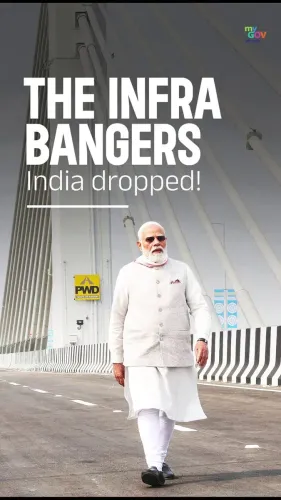
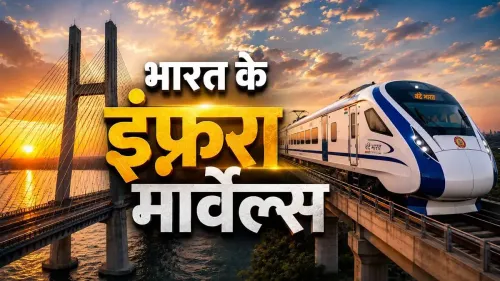
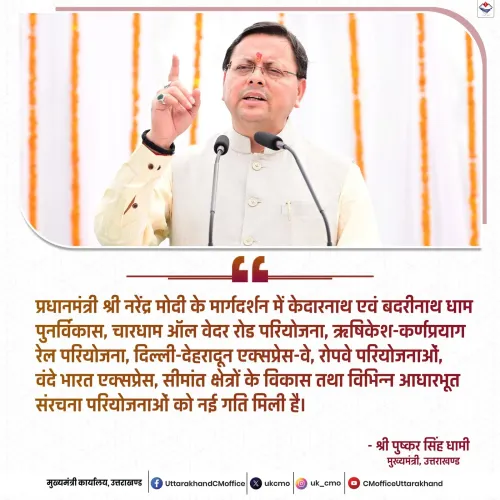
The Chief Minister's Office of Uttarakhand on Wednesday, 17 June 2026, marked 12 years of the Narendra Modi-led Union government by highlighting the expansion of India's road network as a central achievement of the past decade-plus, framing the milestone under the hashtag #12YearsofGaribKalyan.
Context
The post, shared from the official handle of the Chief Minister's Office of Uttarakhand, states: '12 years of trust, of development, of public welfare: the road network across the country has grown stronger.' The message ties Uttarakhand's state-level communication directly to the national narrative being built around the Bharatiya Janata Party government's 12th anniversary in power at the Centre. The reference to jankkalyan (public welfare) and vishwas (trust) echoes the broader Garib Kalyan branding that the Union government has used since 2014 to frame welfare and infrastructure spending as a unified development philosophy.Policy Backdrop
Road connectivity has been a signature plank of the Modi government since it assumed office in May 2014. The Bharatmala Pariyojana, launched in 2015, set out to build and upgrade approximately 34,800 km of national highways in its first phase, targeting economic corridors, inter-corridor routes, and last-mile links to ports and border areas. The National Highways Authority of India (NHAI) has been the principal executing agency for this push. Annual highway construction figures reported by the Union government have risen significantly compared with the decade before 2014, a metric the ruling dispensation cites frequently as evidence of accelerated infrastructure delivery. For a hill state like Uttarakhand, road connectivity carries particular weight. Difficult Himalayan terrain makes all-weather road access both costlier and more consequential — linking remote villages to markets, health facilities, and emergency services.Stakeholders and Impact
The beneficiaries of improved road infrastructure in Uttarakhand span multiple groups: residents of remote hill villages who depend on motorable roads for daily commerce and healthcare access; logistics operators moving goods through mountain passes; and the tourism sector, which is a major economic driver for the state. Nationally, the road-building push has implications for logistics operators who rely on highway quality to reduce freight costs, and for rural communities in states where the last-mile connectivity gap has historically been wide. The Garib Kalyan framing positions infrastructure investment as a welfare instrument, not merely an economic one.What's Next
Attention will turn to the Union Budget 2026-27 and the allocations earmarked for Bharatmala Phase-II, which is expected to deepen the highway grid and extend all-weather road projects into challenging terrain including Uttarakhand. Progress reports on ongoing hill-connectivity projects will serve as a concrete test of whether the '12 years of road growth' narrative translates into measurable last-mile gains for the state's most remote communities.Point of View
Folding local identity into a national narrative. Road infrastructure is among the most politically durable metrics the Modi government deploys, precisely because highway kilometres are visible, countable, and felt directly by commuters and rural residents. For a hill state like Uttarakhand, the framing also serves a local purpose: it positions the ruling dispensation as the architect of connectivity in terrain where roads are not just convenience but lifeline. The real test of this narrative will come when Bharatmala Phase-II allocations and last-mile hill-connectivity targets are scrutinised against actual delivery timelines.
NationPress
19 Sept 2026
Frequently Asked Questions
What is the #12YearsofGaribKalyan hashtag about?
The hashtag marks 12 years of the Narendra Modi-led Union government, which came to power in May 2014. It frames the period's welfare and infrastructure spending — including road construction — under the 'Garib Kalyan' (welfare of the poor) brand.
What is Bharatmala Pariyojana and how does it relate to this post?
Bharatmala Pariyojana is a national highway construction programme launched in 2015 targeting approximately 34,800 km of roads in Phase I. The Uttarakhand CMO's post celebrating road-network growth refers to achievements delivered largely through this scheme.
Why is road connectivity especially important for Uttarakhand?
Uttarakhand is a Himalayan state with difficult terrain where all-weather roads are critical for connecting remote villages to markets, hospitals, and emergency services. Poor road access has historically been a major barrier for hill communities in the state.
What is NHAI and what role does it play in India's highway expansion?
The National Highways Authority of India (NHAI) is the statutory body responsible for developing, maintaining, and managing India's national highway network. It is the principal agency executing the Bharatmala Pariyojana and other highway projects.
What should we watch for next on India's road infrastructure push?
Key things to watch include Union Budget 2026-27 allocations for Bharatmala Phase-II and progress reports on all-weather road projects in Uttarakhand and other hill states, which will test whether the government's road-growth claims translate into last-mile connectivity gains.