CM Dhami marks 12 years of Garib Kalyan, highlights farmer welfare
Synopsis
The Uttarakhand Chief Minister's Office marked 12 years of the Garib Kalyan welfare architecture on 9 June 2026, framing the anniversary as a tribute to farmer welfare. The post aligns state messaging with the national BJP welfare narrative, spotlighting PM-KISAN and allied direct-transfer schemes that benefit small and marginal farmers across the Himalayan state.
Key Takeaways
The Uttarakhand CMO posted on 9 June 2026 to mark 12 years of the Garib Kalyan welfare umbrella.
The post declared the government 'dedicated to the welfare of farmers,' using the hashtag #12YearsofGaribKalyan .
The Garib Kalyan architecture has been in place since 2014 , spanning food security, direct transfers, and crop insurance.
PM-KISAN , launched in 2019 , provides ₹6,000 per year to eligible farmer families; Uttarakhand supplements this with state top-up payments.
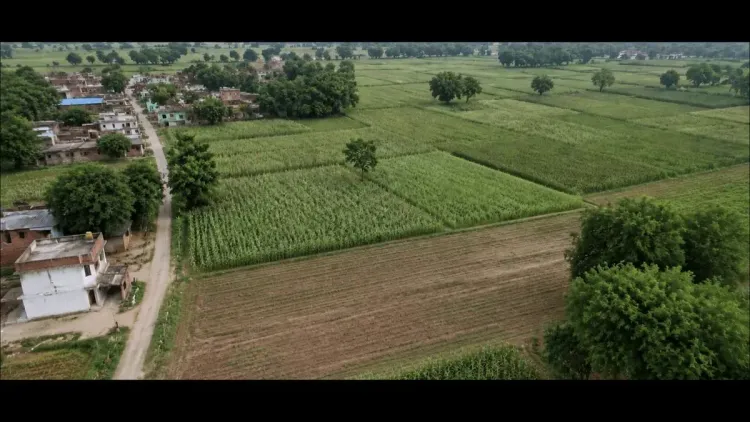
Small and marginal farmers form the majority of Uttarakhand's agricultural workforce, making them central to the state's welfare and electoral calculus.
The messaging reflects the wider BJP practice of linking state governance milestones to the national welfare brand.
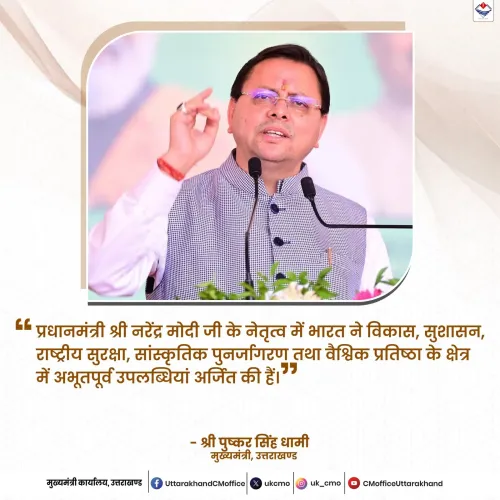
The Chief Minister's Office of Uttarakhand on Tuesday, 9 June 2026, marked 12 years of the Garib Kalyan welfare architecture with a post dedicated to farmer welfare, describing the period as one of 'trust, development, and public good.'
The post, shared under the hashtag #12YearsofGaribKalyan, carried the message '12 saal vishwas ke, vikas ke, jankalyan ke: kisanon ke kalyan ko samarpit sarkar' — translated as '12 years of trust, of development, of public welfare: a government dedicated to the welfare of farmers.' The message frames the anniversary as a moment to reaffirm the state government's commitment to the agricultural community.
Context
The Garib Kalyan welfare umbrella was rolled out nationally from 2014 onwards under Prime Minister Narendra Modi, encompassing food security guarantees, direct cash transfers, and crop-insurance expansions. The branding brought together a wide range of anti-poverty and farm-support measures under a single narrative of inclusive governance. The 12-year mark in 2026 coincides with the BJP's sustained hold on power at the Centre and, since 2017, in Uttarakhand as well.Policy Backdrop
After the BJP assumed office in Uttarakhand in 2017, the state government aligned its agriculture and horticulture missions with central schemes. The flagship PM-KISAN scheme, launched in 2019, provides ₹6,000 in annual direct income support to landholding farmer families; Uttarakhand subsequently introduced state-level top-up payments and input subsidies to supplement the central transfer. Small and marginal farmers constitute the majority of the state's agricultural workforce, making them a critical constituency for both state and central policy. Chief Minister Pushkar Singh Dhami, who has headed the BJP government in the state since March 2021, has consistently linked state-level agricultural programmes to the broader national welfare narrative. The present post continues that pattern, using the 12-year milestone to reinforce the image of a farmer-centric administration.Stakeholders and Impact
Farmers and rural households across Uttarakhand are the primary beneficiaries named in the post's framing. The state's Himalayan geography means that most cultivators hold small plots, and direct-benefit-transfer schemes such as PM-KISAN carry particular significance where market access is limited. The messaging also signals to a wider rural electorate that the government views agricultural welfare as a defining pillar of its twelve-year record. The post is consistent with a broader pattern seen across BJP-governed states, where state administrations mark anniversaries of the Modi-led welfare architecture to project policy continuity and reinforce the 'double-engine government' narrative — the idea that alignment between state and central governments accelerates development delivery.What's Next
Attention will now turn to the upcoming state budget and any fresh agriculture outlays that the Uttarakhand government may announce in the next assembly session. New farmer-registry initiatives or enhanced top-up payments under PM-KISAN would give concrete weight to the anniversary messaging. How the government translates this symbolic milestone into fresh policy commitments will determine whether the 12-year narrative resonates beyond the political calendar.Point of View
The Uttarakhand government is speaking directly to its most numerically significant rural constituency ahead of what is expected to be a budget cycle with significant agricultural outlays. The 'double-engine government' logic is implicit: the post positions the state not merely as an implementer of central schemes but as an active partner in their success. Whether the anniversary rhetoric is followed by fresh, measurable commitments will be the real test of the messaging's political durability.
NationPress
26 Oct 2026
Frequently Asked Questions
What is the Garib Kalyan scheme in India?
Garib Kalyan is an umbrella welfare brand launched by the central government from 2014 onwards, encompassing food security, direct cash transfers such as PM-KISAN, and crop-insurance expansions aimed at poor and farming households.
What is PM-KISAN and how much money do farmers get?
PM-KISAN is a central direct-benefit-transfer scheme launched in 2019 that provides ₹6,000 per year in three instalments to landholding farmer families across India, including in Uttarakhand.
How has Uttarakhand supported farmers under central welfare schemes?
Uttarakhand has supplemented PM-KISAN with state-level top-up payments and input subsidies, and has aligned its agriculture and horticulture missions with central programmes such as e-NAM since the BJP came to power in 2017.
Who is the Chief Minister of Uttarakhand in 2026?
Pushkar Singh Dhami has been the Chief Minister of Uttarakhand since March 2021, leading the BJP government in the state.
Why are farmers important to Uttarakhand politics?
Small and marginal farmers constitute the majority of Uttarakhand's agricultural workforce, making them a key electoral constituency and a central focus of both state and central welfare policy.