Uttarakhand CMO marks 12 years of Modi govt with infra milestones
Synopsis
The Chief Minister's Office of Uttarakhand on 16 June 2026 amplified the central government's #12YearsofGaribKalyan campaign, spotlighting India's infrastructure expansion over 12 years of PM Modi's tenure and linking physical connectivity gains to the welfare-of-the-poor branding.
Key Takeaways
The Uttarakhand CMO posted on 16 June 2026 to mark 12 years of the Modi-led central government.
The post was tagged #12YearsofGaribKalyan , part of a coordinated campaign across BJP-governed states.
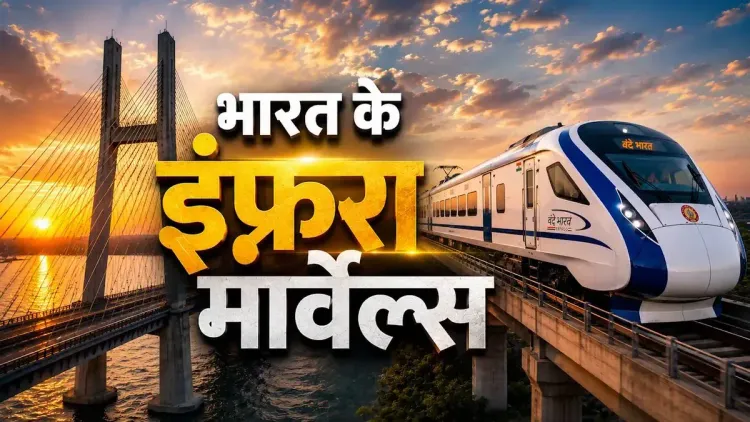
It highlights India's 'Infrastructure Marvels,' merging physical connectivity with welfare branding.
Key national schemes cited in the research include Bharatmala Pariyojana (launched 2015 ) and expanded Pradhan Mantri Gram Sadak Yojana phases.
Infrastructure connectivity is especially critical for Uttarakhand given its mountainous terrain and dependence on pilgrimage tourism.
Analysts will watch the next Union Budget for fresh capital expenditure backing the campaign's narrative.
The Chief Minister's Office of Uttarakhand on Tuesday, 16 June 2026, joined a nationwide chorus of BJP-governed state accounts in marking 12 years of the central government's tenure, spotlighting India's infrastructure expansion under the banner of Garib Kalyan (welfare of the poor).
Context
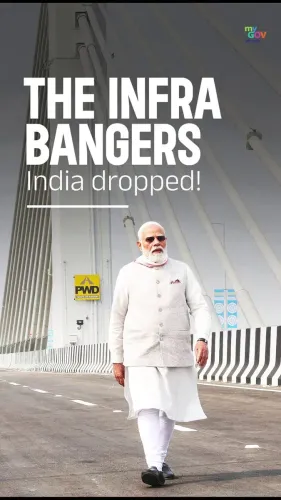
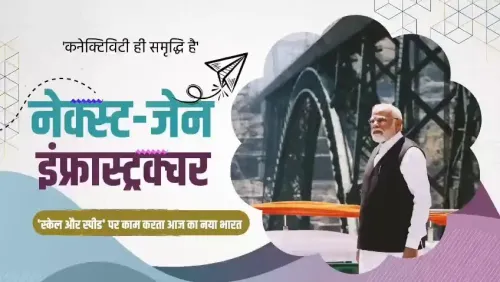
The post, captioned '12 saal vishwas ke, vikas ke, jankallyan ke: Bharat ke Infrastructure Marvels' ('12 years of trust, development, and public welfare: India's Infrastructure Marvels'), was shared alongside a video and tagged #12YearsofGaribKalyan. The hashtag anchors a coordinated communication campaign marking the completion of 12 years since Prime Minister Narendra Modi assumed office in May 2014.
The framing deliberately fuses two distinct but complementary pillars of the central government's political identity: large-scale physical infrastructure and direct welfare delivery to low-income households, both packaged under the Garib Kalyan brand.
Policy Backdrop
Since 2014, the Government of India has pursued an ambitious infrastructure push across roads, railways, ports, and airports. Flagship programmes include the Bharatmala Pariyojana, launched in 2015 to accelerate national highway construction, and the expanded phases of the Pradhan Mantri Gram Sadak Yojana, aimed at connecting previously unlinked rural habitations with all-weather roads.
These programmes have been particularly consequential for a mountainous, logistically challenging state like Uttarakhand, where road and tunnel connectivity directly affects disaster response, tourism, and economic access for remote communities.
Stakeholders and Impact
The primary beneficiaries of this infrastructure narrative are citizens in rural and semi-urban areas who gain access to markets, hospitals, and schools through improved connectivity. Infrastructure developers and contractors operating under centrally sponsored schemes also represent a significant stakeholder group whose project pipelines are shaped by central budgetary allocations.
For Uttarakhand specifically, infrastructure investment carries outsized significance: the state's economy is heavily dependent on pilgrimage tourism along routes such as the Char Dham corridor, where road and tunnel upgrades have been a visible priority in recent years.
What's Next
Analysts watching this communication cycle will look for whether the anniversary campaign translates into concrete project announcements — either in a supplementary budget or through state-level scheme rollouts in Uttarakhand. The #12YearsofGaribKalyan campaign across BJP-governed states suggests coordinated messaging ahead of potential electoral or policy milestones. State-level infrastructure allocations under centrally sponsored schemes in the next Union Budget will be a key indicator of how this narrative is backed by fresh capital expenditure.
Point of View
Activated around the symbolic milestone of 12 years in power. The deliberate fusion of 'infrastructure marvels' with 'Garib Kalyan' branding is a studied political move: it counters the perception that large-scale capital projects primarily benefit contractors and urban centres by anchoring them rhetorically to the rural poor. For Uttarakhand, a state where terrain makes infrastructure both expensive and electorally salient, this messaging carries practical resonance beyond party optics. The campaign's durability will depend on whether it is followed by verifiable project completions or new central allocations rather than remaining at the level of anniversary communication.
NationPress
20 Sept 2026
Frequently Asked Questions
What is the #12YearsofGaribKalyan campaign?
#12YearsofGaribKalyan is a coordinated social-media campaign by BJP-governed state governments marking 12 years since PM Narendra Modi took office in May 2014, highlighting welfare and infrastructure achievements under the Garib Kalyan brand.
What infrastructure schemes has the Modi government launched since 2014?
Major schemes include Bharatmala Pariyojana for national highway expansion (launched 2015) and expanded phases of Pradhan Mantri Gram Sadak Yojana for rural road connectivity, among others.
Why is infrastructure development especially important for Uttarakhand?
Uttarakhand's mountainous terrain makes road and tunnel connectivity critical for disaster response, access to healthcare and markets for remote communities, and the state's pilgrimage-tourism economy along routes like the Char Dham corridor.
What did the Uttarakhand CMO post on 16 June 2026?
The Chief Minister's Office of Uttarakhand shared a video post marking 12 years of the central government, captioned '12 years of trust, development, and public welfare: India's Infrastructure Marvels,' tagged #12YearsofGaribKalyan.
What should we watch for after this infrastructure campaign?
Key indicators will be new project announcements in Uttarakhand, fresh central capital expenditure in the next Union Budget, and state-level rollouts of centrally sponsored infrastructure schemes.