CM Fadnavis flags off Nashik-Trimbakeshwar Kumbh 2027
Synopsis
Maharashtra CM Devendra Fadnavis formally announced the Simhastha Kumbh Mela 2027 at Nashik-Trimbakeshwar following a sacred flag-hoisting ceremony on 31 October 2026, kicking off state preparations for the 12-yearly Hindu pilgrimage that draws millions of devotees.
Key Takeaways
Maharashtra CM Devendra Fadnavis officially announced the Simhastha Kumbh Mela 2027 at Nashik-Trimbakeshwar on 31 October 2026 .
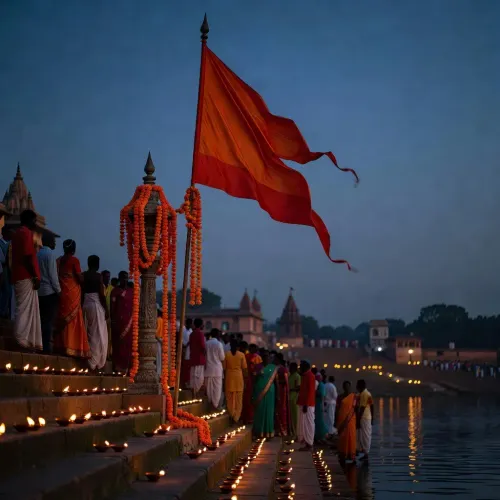
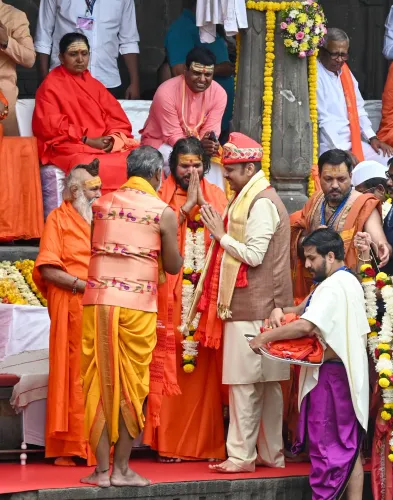
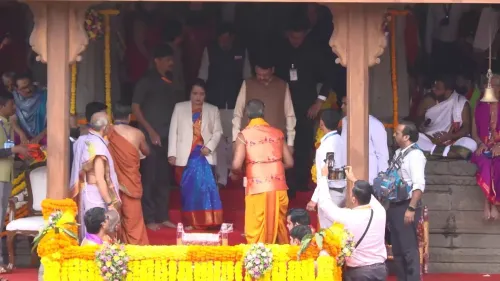
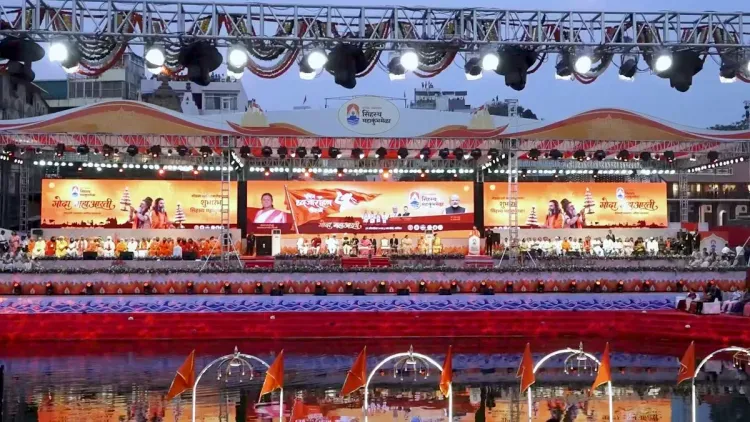
A pavitra dhwajarohan sohala (sacred flag-hoisting ceremony) in Nashik marked the formal start of preparations.
The Simhastha Kumbh Mela is held every 12 years at Nashik-Trimbakeshwar when Jupiter enters Leo, drawing millions of pilgrims.
Trimbakeshwar houses one of India's twelve Jyotirlingas , making this Kumbh site especially significant for Hindu devotees.
The previous Nashik-Trimbakeshwar Kumbh was held in 2015 ; the 2027 edition will require large-scale state infrastructure and crowd management.
State budget allocations and road, riverfront, and accommodation projects are the key deliverables to watch ahead of 2027.
A sacred flag rose over Nashik on 31 October 2026, and with it, the official countdown to one of Hinduism's grandest pilgrimages. Maharashtra Chief Minister Devendra Fadnavis announced that the Simhastha Kumbh Mela 2027 will be held at Nashik-Trimbakeshwar — promising a gathering he described as divya, bhavy aani alaukik (divine, grand, and transcendent).
The flag that starts a twelve-year clock
The pavitra dhwajarohan sohala — the sacred flag-hoisting ceremony — at Nashik on 31 October 2026 is the traditional ritual marker that formally opens preparations for the Kumbh cycle. Fadnavis posted on X in both Marathi and Hindi, signalling the state's intent to make the 2027 edition a landmark event for pilgrims across India and beyond. The ceremony marks not just a religious moment but the starting gun for a massive administrative mobilisation.
Why Nashik-Trimbakeshwar, and why 2027
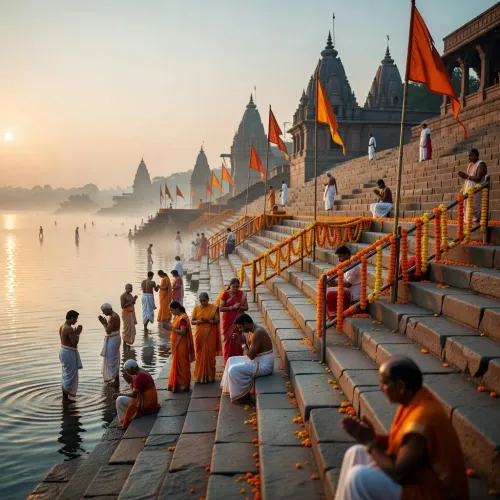
The Simhastha Kumbh Mela is one of four rotating Kumbh Melas held across India — the others at Prayagraj, Haridwar, and Ujjain. The Nashik-Trimbakeshwar edition convenes every 12 years when Jupiter enters Leo, a celestial alignment that draws millions of Hindu pilgrims to bathe at the confluence of sacred rivers. Trimbakeshwar, a temple town near Nashik, houses one of the twelve Jyotirlingas — among the holiest Shiva shrines in the subcontinent — making this particular Kumbh site especially significant to devotees.
The last Simhastha Kumbh at Nashik-Trimbakeshwar was held in 2015, when the Maharashtra government undertook large-scale arrangements covering ghats, roads, sanitation, and security. The 2027 edition will demand an even larger exercise, with inter-departmental coordination expected to ramp up sharply in the months ahead.
What the state must now deliver
For Maharashtra, hosting the Kumbh is as much a governance test as a spiritual occasion. Crowd management, riverfront development, temporary accommodation, and transport connectivity — all of it falls on the state machinery. Watchers will track state budget allocations and infrastructure project timelines for roads and civic facilities in the Nashik region as the 2027 date approaches. The flag-hoisting ceremony sets the tone: the government is signalling early, and publicly, that preparations are already in motion.
For the millions who will eventually converge on the banks of the Godavari at Nashik and the Kushavarta Kund at Trimbakeshwar, the promise from CM Fadnavis is simple — a Kumbh that is divine, grand, and unlike any before it. Whether the infrastructure matches the aspiration is the story that will unfold over the next twelve months.
Point of View
Fadnavis is staking the BJP-led Maharashtra government's credibility on delivering a landmark religious event — one with deep electoral resonance in the state's Hindu heartland. The early, high-profile announcement is a governance signal: the state wants to avoid the last-minute infrastructure scrambles that have dogged past Kumbh editions. With the 2027 Kumbh arriving less than two years after Maharashtra's state elections, the political and administrative timelines are tightly intertwined. How the government translates this ceremonial moment into concrete budget allocations and infrastructure delivery will be the real measure of intent.
NationPress
1 Nov 2026
Frequently Asked Questions
When is the Nashik Simhastha Kumbh Mela 2027?
The Simhastha Kumbh Mela 2027 will be held at Nashik-Trimbakeshwar in Maharashtra. The exact dates within 2027 depend on the astrological alignment of Jupiter entering Leo, but the state formally began preparations with a flag-hoisting ceremony on 31 October 2026.
What is the Simhastha Kumbh Mela?
The Simhastha Kumbh Mela is one of four rotating Kumbh Melas held in India every 12 years when Jupiter enters Leo. The Nashik-Trimbakeshwar edition draws millions of Hindu pilgrims to bathe in the Godavari river and visit the Trimbakeshwar Jyotirlinga.
Why is Trimbakeshwar important for the Kumbh?
Trimbakeshwar is a temple town near Nashik that houses one of the twelve Jyotirlingas — among the holiest Shiva shrines in India — making it a primary site for the Simhastha Kumbh Mela and a major pilgrimage destination.
When was the last Nashik Kumbh Mela held?
The last Simhastha Kumbh Mela at Nashik-Trimbakeshwar was held in 2015, when the Maharashtra government arranged large-scale facilities for ghats, roads, sanitation, and security.
What did CM Devendra Fadnavis say about Kumbh 2027?
Maharashtra Chief Minister Devendra Fadnavis announced on X that the Simhastha Kumbh Mela 2027 at Nashik-Trimbakeshwar will be 'divine, grand, and transcendent,' following a sacred flag-hoisting ceremony in Nashik on 31 October 2026.