CM Fadnavis Backs Nashik Kumbh 2027 Guinness Goda Aarti
Synopsis
Maharashtra CM Devendra Fadnavis has publicly backed the Nashik Maha Kumbh 2027 Goda Aarti, flagging a Guinness World Record connection for the mass Godavari riverbank ritual — signalling the state's intent to make the 12-yearly pilgrimage a global cultural landmark.
Key Takeaways
CM Devendra Fadnavis posted on X on 1 November 2026 promoting the Maha Kumbh 2027 Goda Aarti in Nashik.
The post references a Guinness World Record in connection with the Goda Aarti ceremony on the Godavari river ; formal verification status is unconfirmed.
Nashik is one of four traditional Kumbh Mela sites; the last Nashik edition was held in 2015 .
The Maha Kumbh 2027 follows a 12-year cycle and is expected to draw large pilgrim numbers to Nashik.
State governments routinely leverage Kumbh Melas to boost religious tourism and local economic activity.
Infrastructure upgrades along the Nashik-Godavari corridor and Guinness record verification are key milestones to watch ahead of 2027.
A riverbank ritual in Nashik is being positioned as a world-record moment — and Maharashtra Chief Minister Devendra Fadnavis is making sure everyone knows it. On 1 November 2026, Fadnavis shared a post on X flagging the Goda Aarti at the Godavari river in connection with Maha Kumbh 2027, tagging it with references to a potential Guinness World Record.
The Goda Aarti and its record ambition
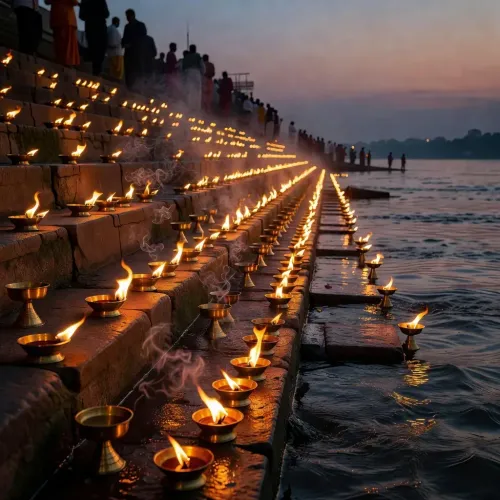
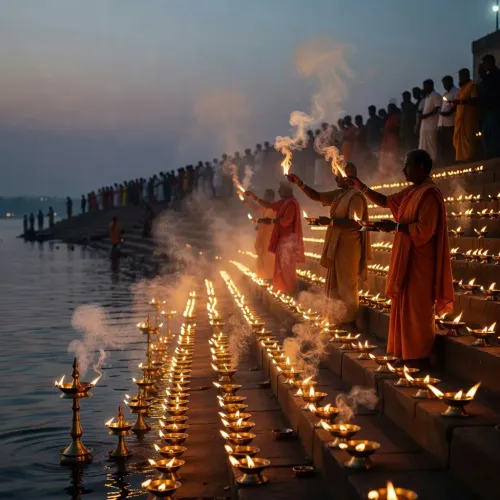
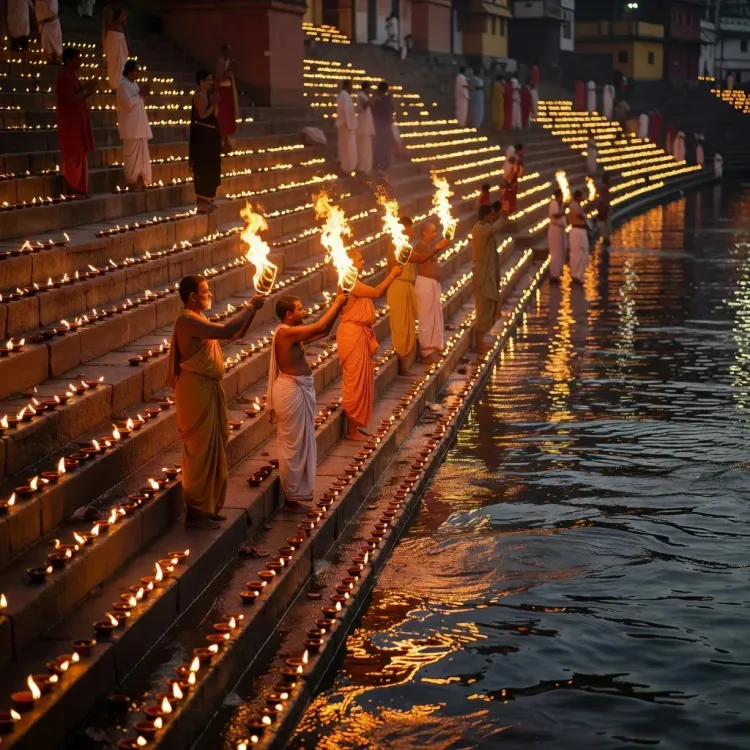
The Goda Aarti — a mass prayer ceremony performed on the banks of the Godavari — has long been a centrepiece of Nashik's religious calendar. During Kumbh years, the scale of participation swells dramatically, drawing tens of thousands of devotees to the riverfront in synchronised worship. The Fadnavis post links this ritual explicitly to a Guinness World Record bid, though the exact nature and formal verification status of that record remains to be confirmed by the certifying body.
Nashik's place in the Kumbh cycle
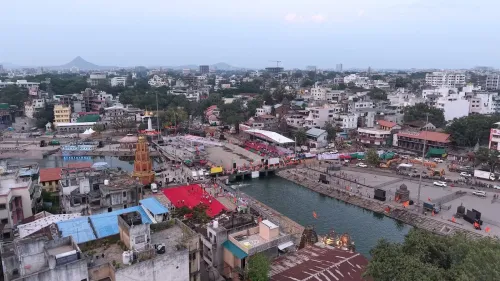
Nashik is one of four traditional Kumbh Mela sites in India, alongside Prayagraj, Haridwar, and Ujjain. The city's edition rotates on a 12-year cycle; the last Nashik Kumbh was held in 2015, when the state government arranged infrastructure upgrades and pilgrim facilities along the Godavari corridor. Maha Kumbh 2027 will be the next instalment — and preparations, at least at the symbolic level, are already under way.
Tourism, heritage, and the state's stake
Maharashtra administrations have consistently used Kumbh cycles to amplify religious tourism and spotlight local cultural heritage. A verified Guinness record attached to the Goda Aarti would give the 2027 event a globally legible marketing hook — the kind that travels beyond pilgrimage circles into mainstream tourism. Infrastructure upgrades along the Nashik-Godavari belt and the formal Guinness verification process are the two concrete milestones to watch in the months ahead.
With the 2027 Kumbh still roughly a year away, the Chief Minister's public endorsement signals that the state intends to treat this edition as a flagship cultural moment — not just a pilgrimage administration exercise.
Point of View
The Maharashtra government signals it intends to compete with the scale and global visibility of the Prayagraj Maha Kumbh. The move also serves a domestic political purpose: reinforcing the ruling alliance's credentials as custodians of Maharashtra's Hindu cultural identity ahead of future electoral cycles. The real test will be whether the infrastructure and Guinness verification machinery catch up with the promotional ambition before 2027.
NationPress
1 Nov 2026
Frequently Asked Questions
When is the next Nashik Kumbh Mela?
The next Nashik Kumbh Mela, known as Maha Kumbh 2027, is scheduled for 2027. Nashik hosts the Kumbh on a 12-year cycle; the previous edition was held in 2015.
What is the Goda Aarti at Nashik?
The Goda Aarti is a large-scale prayer ceremony performed on the banks of the Godavari river in Nashik. During Kumbh years it draws tens of thousands of devotees in synchronised worship and is considered a highlight of the pilgrimage.
What Guinness World Record is linked to Nashik Kumbh 2027?
CM Devendra Fadnavis's post references a Guinness World Record in connection with the Goda Aarti, but the exact nature and formal verification status of the record has not yet been confirmed by Guinness World Records.
Why is Nashik important for the Kumbh Mela?
Nashik is one of four traditional Kumbh Mela sites in India, the others being Prayagraj, Haridwar, and Ujjain. The city's edition is held on the banks of the sacred Godavari river every 12 years.
What is Maharashtra's role in organising the Nashik Kumbh?
The Maharashtra state government oversees infrastructure, pilgrim facilities, and event logistics for the Nashik Kumbh. Administrations have historically used the event to promote religious tourism and cultural heritage in the region.