Gadkari Highlights 12 Years of India Infrastructure Gains
Synopsis
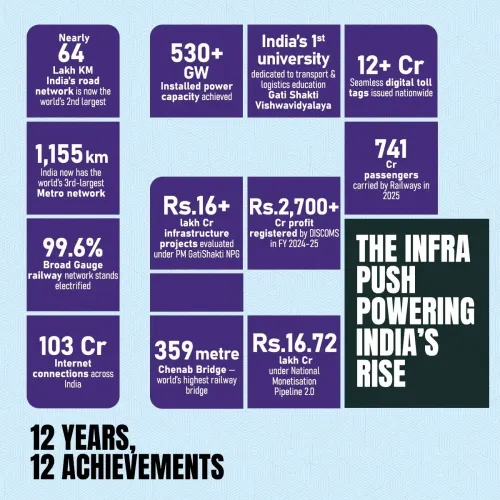
Union Minister Nitin Gadkari on June 16, 2026, highlighted twelve years of transport infrastructure expansion under PM Modi, citing Bharatmala highways, FASTag tolling, Dedicated Freight Corridors, the Chenab Bridge, and the Bairabi–Sairang rail link as markers of a connected New India.
Key Takeaways
Union Minister Nitin Gadkari marked 12 years of infrastructure development under PM Narendra Modi on June 16, 2026 .
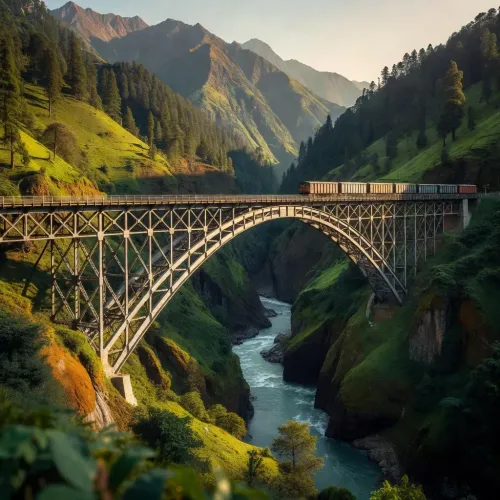
The Chenab Bridge in Jammu and Kashmir, the world's highest railway arch bridge, is cited as an iconic project of this era.
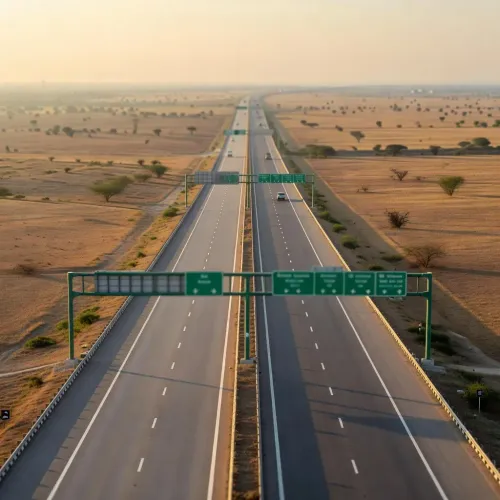
The Bharatmala Pariyojana , approved in 2015 , targets over 83,677 km of national highway development.
FASTag electronic tolling was made mandatory nationwide in December 2019 , reducing congestion and improving collections.
The Bairabi–Sairang railway project is aimed at giving Mizoram its first direct rail link to the national network.
Dedicated Freight Corridors separate goods trains from passenger traffic to lower logistics costs and boost freight speed.
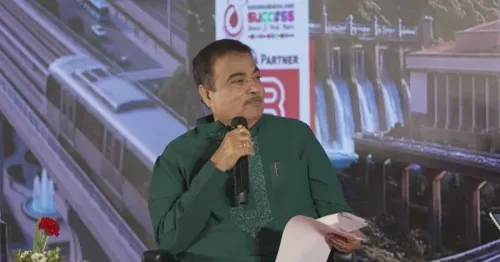
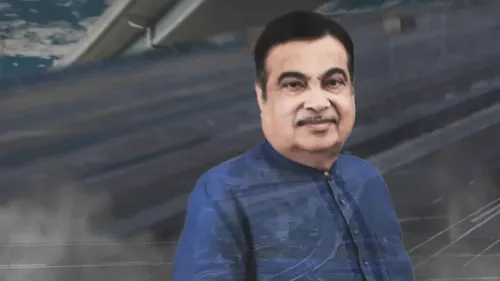
Union Road Transport and Highways Minister Nitin Gadkari on Tuesday, June 16, 2026, marked twelve years of infrastructure transformation under Prime Minister Narendra Modi, citing landmark projects from the Chenab Bridge in Jammu and Kashmir to the Bairabi–Sairang rail link connecting Mizoram to the national network.
Context
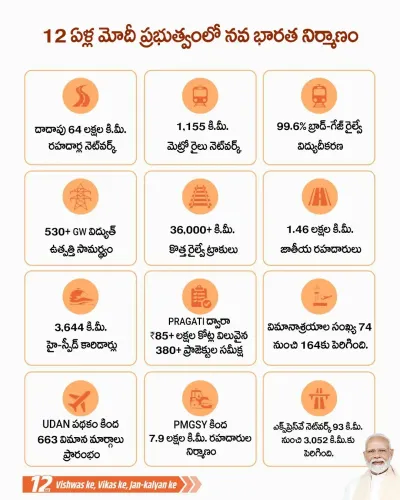
Gadkari's post, shared under the hashtag #12YearsOfNayaBharatNirman ('12 years of building a new India'), frames the period since May 2014 as a decisive shift in the country's transport and logistics landscape. He described what was 'once slow and fragmented' as now 'fast, seamless, and future-ready,' pointing to simultaneous advances in road, rail, and digital toll infrastructure.
The post highlights four pillars: highways under the Bharatmala programme, FASTag-driven electronic tolling, electrified railways, and Dedicated Freight Corridors — each representing a distinct strand of the central government's multimodal connectivity push.
Policy Backdrop
The Bharatmala Pariyojana, approved by the Union Cabinet in 2015, targets the development of over 83,677 km of national highways, with a focus on economic corridors, inter-corridors, and ring roads. The programme is designed to reduce travel times and cut freight costs across the country.
FASTag, the radio-frequency identification-based electronic toll collection system, was made mandatory nationwide in December 2019, dramatically reducing congestion at toll plazas and improving revenue collection efficiency. The Dedicated Freight Corridor project, formally approved in 2005 and accelerated after 2014, separates freight rail traffic from passenger lines, allowing heavier and faster goods trains to operate on dedicated tracks.
The Chenab Bridge — the world's highest railway arch bridge, built as part of the Udhampur–Srinagar–Baramulla Rail Link sanctioned in 1994–95 — stands as one of the most cited symbols of the government's engineering ambitions in difficult terrain. The Bairabi–Sairang railway project aims to give Mizoram a direct rail connection to the broader national network through Assam, addressing decades of geographic isolation for the northeastern state.
Stakeholders and Impact
Logistics companies and rail freight operators stand to gain most directly from the Dedicated Freight Corridors, which promise lower per-unit transport costs and faster turnaround times. Highway users across the country have seen changes in toll collection through FASTag, reducing idle time at barriers.
Residents of Northeast India and Jammu and Kashmir represent a distinct stakeholder group — these are regions where infrastructure gaps have historically constrained economic activity and social mobility. Projects like Bairabi–Sairang and the Chenab Bridge reflect a consistent policy emphasis on integrating peripheral regions through physical connectivity.
What's Next
Attention will turn to further phases of Bharatmala and the completion milestones on remaining Dedicated Freight Corridor sections, particularly the Eastern and Western corridors. Logistics cost reduction — long cited as a drag on Indian manufacturing competitiveness — remains a key metric that policymakers and industry will watch closely in the coming Union Budgets.
As the ruling coalition marks twelve years in office, infrastructure achievement is likely to remain a central plank of political messaging, with ministers like Gadkari positioned to highlight tangible project completions ahead of future electoral cycles.
Point of View
Named projects (Chenab Bridge, Bairabi–Sairang, Bharatmala), the minister sidesteps abstract claims and grounds the argument in physical deliverables that are difficult to dispute. The simultaneous invocation of roads, railways, and digital tolling signals a deliberate multimodal framing, positioning the government as a systems-level reformer rather than a builder of isolated projects. The Northeast and J&K references are politically significant — integrating these regions has long been presented as both a security imperative and a development achievement, giving the message cross-ideological resonance.
NationPress
15 Sept 2026
Frequently Asked Questions
What is Bharatmala Pariyojana and how many km of highways does it cover?
Bharatmala Pariyojana is a national highways development programme approved by the Union Cabinet in 2015, targeting the construction of over 83,677 km of roads including economic corridors, inter-corridors, and ring roads across India.
What is the Chenab Bridge and why is it significant?
The Chenab Bridge is the world's highest railway arch bridge, located in Jammu and Kashmir, and is part of the Udhampur–Srinagar–Baramulla Rail Link. It is widely cited as one of India's most ambitious engineering achievements in difficult Himalayan terrain.
What is the Bairabi–Sairang railway project?
The Bairabi–Sairang railway line is a project aimed at connecting Mizoram to India's national rail network through Assam, addressing decades of geographic isolation for the northeastern state.
When was FASTag made mandatory in India?
FASTag, the radio-frequency identification-based electronic toll collection system, was made mandatory for all vehicles on national highways in December 2019.
What are Dedicated Freight Corridors in India?
Dedicated Freight Corridors are specialised rail lines built exclusively for goods trains, formally approved in 2005 and significantly accelerated after 2014, designed to separate freight from passenger traffic and reduce logistics costs.