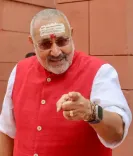
Kishan Reddy Highlights 12 Years of India Infrastructure Gains
Synopsis
Union Minister G. Kishan Reddy has cited world records in roads, ports, railways, and digital toll systems to mark twelve years of infrastructure development under PM Narendra Modi, invoking flagship schemes like Bharatmala, Sagarmala, and the Dedicated Freight Corridors.
Key Takeaways
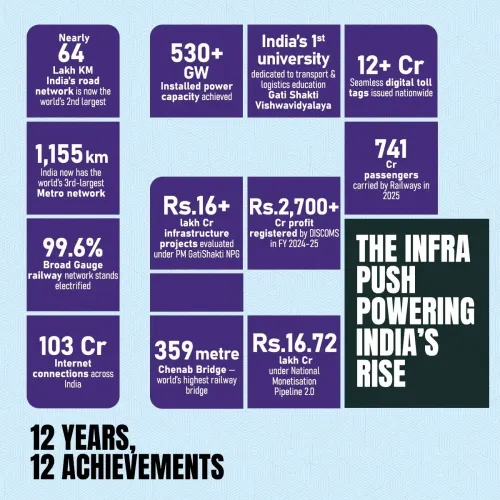
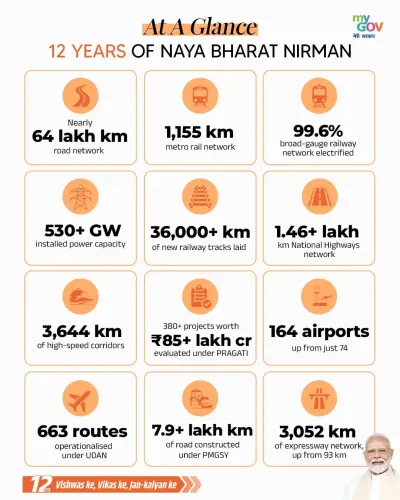
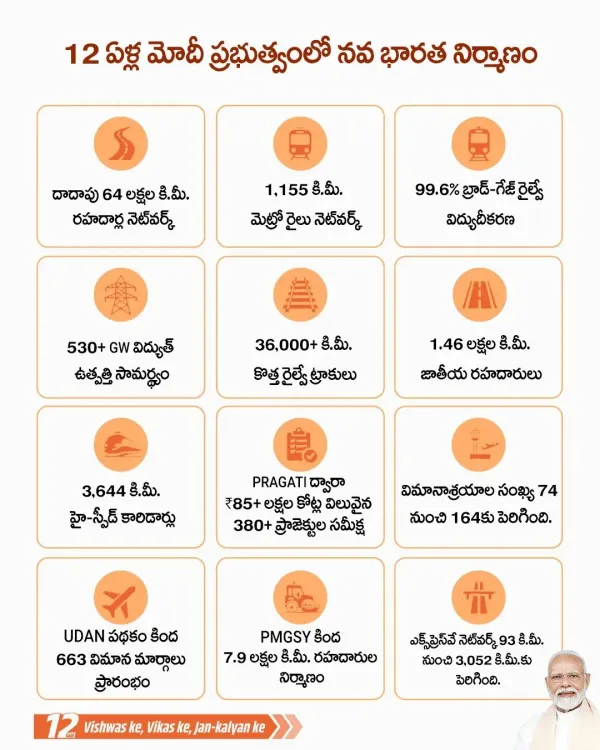
India now claims the world's second-largest road network at 63.73 lakh kilometres , according to Minister G.
Kishan Reddy's post.
Port capacity has reportedly doubled to 2,762 MMTPA under the Sagarmala port-led development initiative launched in 2015.
99 per cent railway electrification has been achieved with an investment of Rs 17 lakh crore , alongside 2,800 km of Dedicated Freight Corridors completed.
Over 12.23 crore FASTag units have been deployed nationwide, enabling cashless, RFID-based toll collection on national highways.
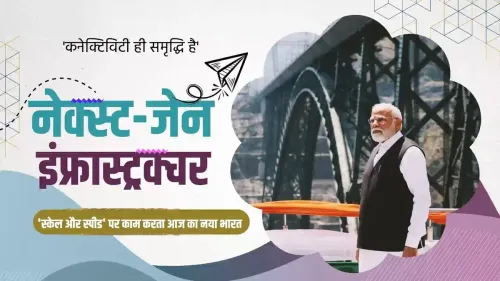
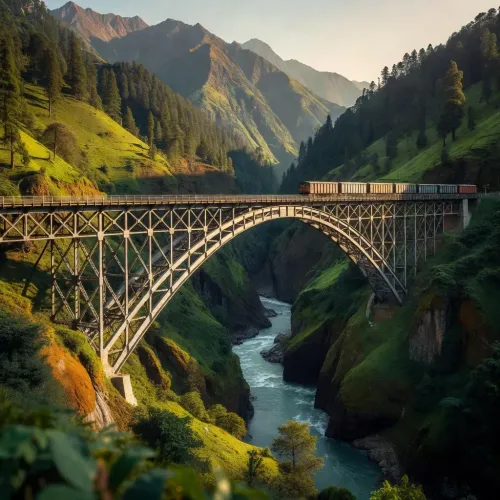
Engineering landmarks cited include the Chenab Bridge — the world's highest railway arch bridge — in Jammu and Kashmir , and the Bairabi-Sairang project in the Northeast.
The post is part of the BJP's #12YearsOfNayaBharatNirman campaign marking a decade-plus of the Modi government's infrastructure push.
Union Coal and Mines Minister and BJP Telangana president G. Kishan Reddy on Tuesday, 16 June 2026, shared a detailed account of India's infrastructure achievements over the past twelve years under Prime Minister Narendra Modi, citing records across road networks, ports, railways, and digital toll systems under the hashtag #12YearsOfNayaBharatNirman.
Context
Posting in Telugu, Kishan Reddy wrote that India has 'created world-class records in the infrastructure sector' under Modi's leadership over the last twelve years. He highlighted that India now has the world's second-largest road network at 63.73 lakh kilometres, and that port capacity has doubled to 2,762 MMTPA (million metric tonnes per annum). The minister attributed these gains to sustained policy focus on multi-modal connectivity since 2014.
The post also pointed to 99 per cent railway electrification backed by investments of Rs 17 lakh crore, and the completion of 2,800 kilometres of Dedicated Freight Corridors (DFCs). On digital infrastructure, Reddy cited the rollout of over 12.23 crore FASTag units as evidence of a 'new transport revolution.'
Policy Backdrop
The claims Kishan Reddy cites align with several flagship central government programmes. The Bharatmala Pariyojana, launched in 2015, set out to accelerate national highway construction and reduce logistics costs through new expressways and corridor upgrades. Simultaneously, the Sagarmala initiative, also from 2015, targeted port-led development aimed at modernising existing ports and expanding capacity through coastal shipping.
The Dedicated Freight Corridor project — designed to segregate freight and passenger traffic on the Eastern and Western corridors — saw accelerated execution after 2014, with multiple sections commissioned in subsequent years. Railway electrification was similarly intensified through successive Union Budgets, with higher annual targets set each year. The FASTag system, rolled out by the National Highways Authority of India (NHAI), uses RFID technology to enable cashless toll payments and reduce congestion at toll plazas.
Among the engineering landmarks Reddy highlighted is the Chenab Bridge in Jammu and Kashmir — the world's highest railway arch bridge, built as part of the Udhampur-Srinagar-Baramulla Rail Link — and the Bairabi-Sairang project in the Northeast, both cited as symbols of infrastructure in difficult terrain.
Stakeholders and Impact
The constituencies most directly affected by these developments include highway users, freight operators, railway passengers, and port authorities. The DFCs in particular are designed to lower logistics costs for industry by freeing passenger rail lines from slow-moving freight trains, improving transit times for goods across the country.
The FASTag rollout has streamlined toll collection at hundreds of national highway plazas, reducing vehicle queues and enabling real-time data collection for traffic management. Port capacity expansion under Sagarmala has implications for export competitiveness and maritime trade volumes.
What's Next
Attention will now turn to progress on remaining DFC sections and proposed Phase-II expansions under both Bharatmala and Sagarmala, as well as any announcements in upcoming Union Budgets regarding pending rail electrification targets and port modernisation timelines. Kishan Reddy's post is part of a broader BJP communications effort marking twelve years of the Modi government, with infrastructure outcomes forming a central pillar of that narrative heading into future electoral cycles.
Point of View
Framing national infrastructure metrics as a BJP governance achievement ahead of potential electoral mobilisation in Telangana. The invocation of the Chenab Bridge and the Northeast rail project signals an attempt to associate the party with nation-building in sensitive, high-visibility geographies. By anchoring claims to specific numbers — road kilometres, port tonnage, electrification percentages — the communication aims to shift the infrastructure debate from aspiration to measurable delivery. The post fits a consistent central government pattern of using multi-modal connectivity data to underpin a broader 'Naya Bharat' economic narrative.
NationPress
19 Sept 2026
Frequently Asked Questions
What infrastructure records has India set in the last 12 years under Modi?
According to Union Minister G. Kishan Reddy, India has built the world's second-largest road network at 63.73 lakh km, doubled port capacity to 2,762 MMTPA, achieved 99% railway electrification, completed 2,800 km of Dedicated Freight Corridors, and deployed over 12.23 crore FASTags.
What is the Chenab Bridge and why is it significant?
The Chenab Bridge is the world's highest railway arch bridge, located in Jammu and Kashmir on the Udhampur-Srinagar-Baramulla Rail Link. It is cited as a flagship engineering achievement of India's post-2014 rail modernisation programme.
What is the Bharatmala Pariyojana?
Bharatmala Pariyojana is a 2015 central government programme for optimal highway development, focused on building new expressways and upgrading logistics corridors to reduce freight costs across India.
What is FASTag and how many users does it have?
FASTag is an RFID-based electronic toll collection system deployed by NHAI on national highways to enable cashless payments and reduce congestion. Minister Kishan Reddy cited over 12.23 crore FASTag units in use.
What is the Dedicated Freight Corridor project in India?
The Dedicated Freight Corridor project comprises Eastern and Western rail corridors designed to segregate freight from passenger traffic, improving transit times and lowering logistics costs. Around 2,800 km of these corridors have been completed, according to Kishan Reddy's post.