Sitharaman Highlights 12 Years of NDA Infrastructure Push
Synopsis
Union Finance Minister Nirmala Sitharaman on 16 June 2026 marked 12 years of NDA rule by highlighting the Modi government's infrastructure transformation — from Bharatmala highways and PM Gati Shakti to a Rs 111 lakh crore National Infrastructure Pipeline — framing connectivity as the cornerstone of a stronger India.
Key Takeaways
Finance Minister Nirmala Sitharaman posted on 16 June 2026 under #12YearsOfNayaBharatNirman to mark the NDA government's infrastructure record.
The Bharatmala Pariyojana , approved in 2015 , has been a flagship programme for highway and expressway expansion.
The National Infrastructure Pipeline unveiled in 2019 targets Rs 111 lakh crore in investment across sectors.
The PM Gati Shakti National Master Plan , launched in 2021 , integrates roads, rail, ports, and aviation under a single multimodal planning platform.
The logistics sector, businesses, and ordinary citizens are among the key stakeholders benefiting from reduced transit times and expanded connectivity.
Capital expenditure allocations in the next Union Budget and updates on the Gati Shakti dashboard will be key indicators of continued momentum.
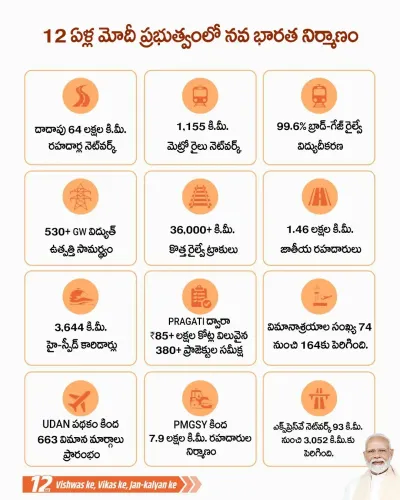
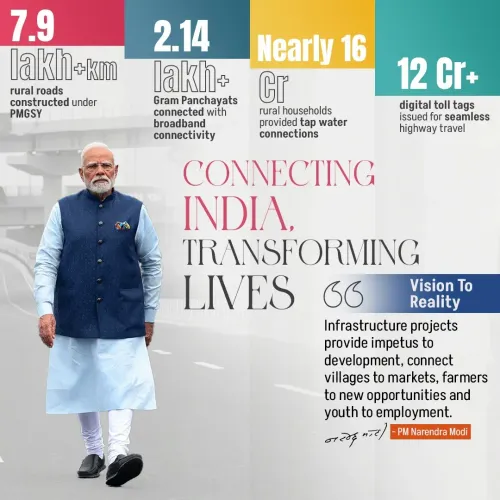
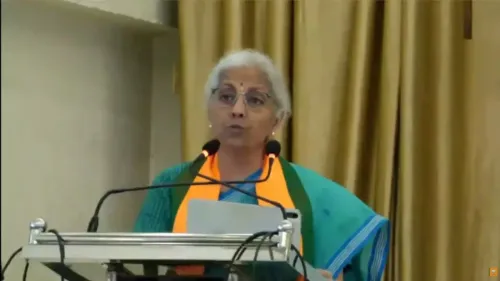
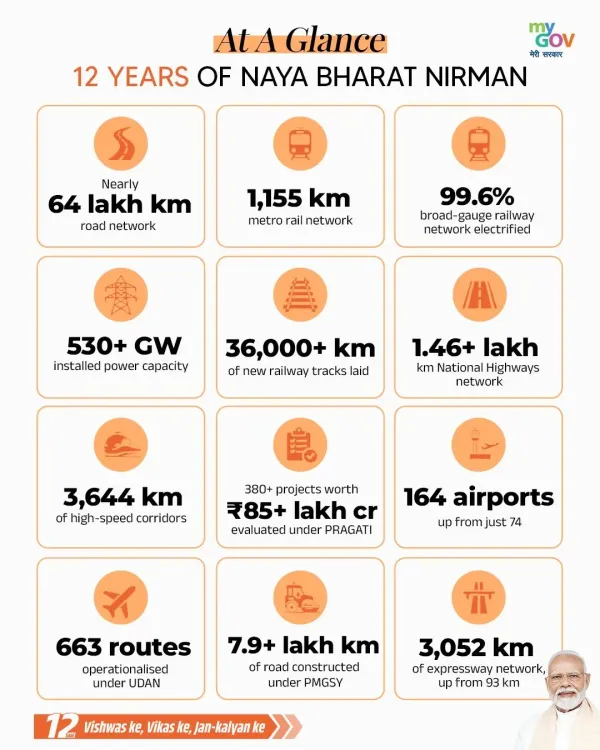
Union Finance Minister Nirmala Sitharaman on Tuesday, 16 June 2026 highlighted the NDA government's 12-year infrastructure record, crediting Prime Minister Narendra Modi with leading a transformation spanning roads, railways, airports, and expressways across India.
Context
Sitharaman's post, tagged #12YearsOfNayaBharatNirman, marks what the ruling coalition is framing as a milestone in its infrastructure-first governance narrative. The hashtag situates the message within a broader BJP-NDA campaign to consolidate the party's decade-plus record in power ahead of policy and electoral cycles.
In her words, the Modi-led NDA government is 'building a stronger, faster and more connected nation' — a formulation that encapsulates the government's stated connectivity doctrine linking physical infrastructure to economic ambition.
Policy Backdrop
The infrastructure push Sitharaman references has institutional roots going back to 2015, when the Bharatmala Pariyojana was approved to accelerate highway and expressway development across the country. The programme was designed to plug critical missing links in the national highway grid and improve freight movement efficiency.
In 2019, the government unveiled the National Infrastructure Pipeline, targeting an investment of Rs 111 lakh crore across sectors over five years. Two years later, in 2021, the PM Gati Shakti National Master Plan was launched to bring multimodal connectivity planning under a single digital platform, integrating roads, rail, ports, waterways, and aviation into one coordinated framework.
Together, these initiatives represent a layered policy architecture that successive NDA governments have built upon since 2014, framing physical connectivity as the backbone of economic growth and regional integration.
Stakeholders and Impact
The sectors most directly shaped by this infrastructure drive include logistics, freight, civil aviation, and construction. Businesses reliant on supply-chain efficiency — particularly manufacturers and exporters — have been among the primary beneficiaries of reduced transit times on upgraded highway corridors.
For ordinary citizens, the expansion of airports and expressways has widened access to air travel and cut road-journey durations between major cities and previously underserved regions. Railway modernisation, including station upgrades and new rolling stock, has also been a visible component of the government's connectivity narrative.
What's Next
Observers of infrastructure policy will watch the next Union Budget for signals on capital expenditure targets and project completion timelines. The PM Gati Shakti dashboard continues to be updated with project progress data, and fresh expressway inaugurations are expected to be used as markers of delivery against the government's stated goals.
As the NDA government crosses the 12-year mark, the infrastructure narrative is likely to remain central to its political communication — with Finance Minister Sitharaman's post signalling that the party intends to anchor this record as a defining achievement heading into the next phase of governance.
Point of View
Coherent narrative. By invoking roads, railways, airports, and expressways together, the Finance Ministry is reinforcing the idea that capital expenditure has been the government's primary economic lever across 12 years. The framing of 'Naya Bharat Nirman' signals continuity of intent rather than a new announcement, suggesting the party is in campaign-consolidation mode. For the opposition, the challenge will be to contest the delivery record on specifics — project delays, cost overruns, and regional equity — rather than the broad connectivity vision itself.
NationPress
15 Sept 2026
Frequently Asked Questions
What is #12YearsOfNayaBharatNirman about?
#12YearsOfNayaBharatNirman is a BJP-NDA campaign hashtag marking 12 years of the Modi-led government's governance record, with infrastructure development being one of its central themes.
What is the PM Gati Shakti National Master Plan?
The PM Gati Shakti National Master Plan, launched in 2021, is a digital platform that integrates planning for roads, railways, ports, waterways, and aviation to enable coordinated multimodal infrastructure development across India.
What is the National Infrastructure Pipeline?
The National Infrastructure Pipeline is a government initiative unveiled in 2019 that targets Rs 111 lakh crore in infrastructure investment across sectors over a five-year period, covering roads, energy, urban development, and more.
What is Bharatmala Pariyojana?
Bharatmala Pariyojana is a centrally sponsored highway and expressway development programme approved in 2015, aimed at closing critical gaps in India's national highway network and improving freight efficiency.
Why did Nirmala Sitharaman post about infrastructure in June 2026?
Sitharaman's 16 June 2026 post aligns with the NDA government's 12-year milestone communications campaign, using the occasion to highlight the Modi government's record on roads, railways, airports, and expressways.