Mob vandalises Jatiya Party chief G M Quader's Dhaka home, sparks outrage
Synopsis
A mob of around 50 people stormed Jatiya Party Chairman G M Quader's home in Dhaka's Uttara on Monday, hurling bricks and shattering windows — accusing him of ties to ousted PM Sheikh Hasina. The Awami League has condemned the attack as an assault on democracy itself, with Human Rights Watch already flagging a pattern of political repression under Bangladesh's current government.
Key Takeaways
A mob of approximately 50 people attacked Jatiya Party Chairman G M Quader 's residence in Uttara, Dhaka on 13 October .
Attackers pelted bricks and stones, shattering windowpanes; the locked gate prevented entry, according to police.
Uttara West Police Station OC Khalid Mansur confirmed 30-40 people vandalised the property before fleeing on police arrival.
Quader was accused of being an aide to ousted former PM Sheikh Hasina and betraying the July 2024 uprising.
The Awami League condemned the attack and warned of a growing threat to political dissent and democratic rights in Bangladesh.
Human Rights Watch has reportedly flagged arbitrary detentions and the erosion of human rights safeguards under the current administration.
A mob of approximately 50 people attacked and vandalised the Dhaka residence of Jatiya Party Chairman G M Quader in the Uttara neighbourhood on Monday, 13 October, triggering sharp condemnation from political parties and rights advocates. The incident has intensified concerns over political violence and democratic freedoms in Bangladesh.
How the Attack Unfolded
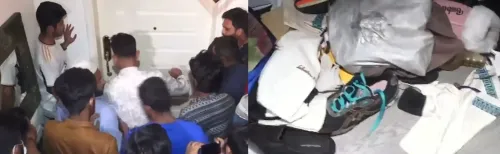
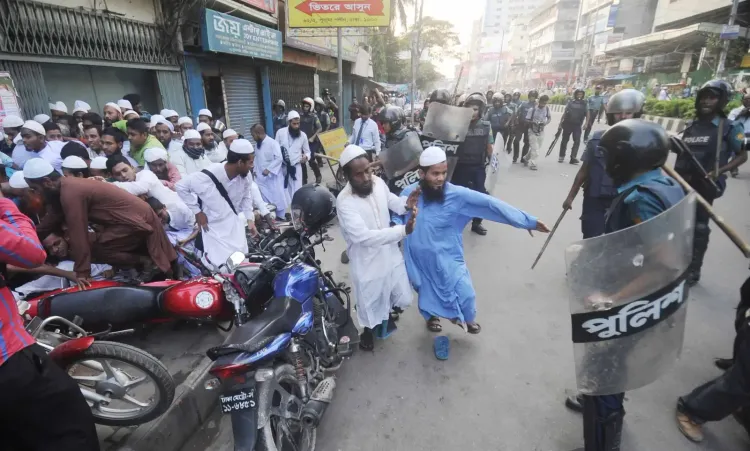
The assailants gathered outside Quader's home carrying a banner reading 'Anti-Autocracy General Public' and issued demands for his arrest, accusing him of being a close aide of ousted former Bangladesh Prime Minister Sheikh Hasina and of betraying the July 2024 uprising.
Quader, speaking to Bangladeshi newspaper The Daily Star, said he and his wife were at breakfast when they heard a commotion outside. 'I then heard that they were heading towards our house. Shortly afterwards, bricks and stones started being thrown at the house from all sides,' he said. The stone-pelting shattered windowpanes and left broken glass strewn across the drawing room, though the locked gate prevented the attackers from entering the premises.
Police Response
Uttara West Police Station Officer-in-Charge Khalid Mansur confirmed that security personnel reached the scene promptly. 'We rushed to the spot immediately after receiving the information. The attackers fled after noticing the police presence. Around 30-40 people threw bricks at the house from outside and vandalised it, but none of them could enter the building,' Mansur said.
Political Condemnation
The Awami League strongly condemned the assault, warning that public calls for Quader's 'arrest and killing' signal a deepening threat to political dissent in Bangladesh. 'When dissent becomes a death sentence, democracy is dead in spirit. The right to life is not a political privilege. It is a fundamental human right,' the party said in a statement.
Former Bangladesh Minister and Awami League leader Mohammad Ali Arafat alleged that BNP workers carried out the attack because Quader had acknowledged speaking with Sheikh Hasina. 'This is utterly disgraceful. No political disagreement, past association, or conversation with a political leader can justify mob violence or intimidation,' Arafat said. He further questioned the state of democratic norms, asking what the targeting of a political leader at his own home 'says about the state of democracy, freedom of expression, and the rule of law in Bangladesh under the BNP government.'
Human Rights Concerns
Arafat cited US-based advocacy group Human Rights Watch, which has reportedly raised concerns over the arbitrary detention of perceived political opponents, mass arrests of Jatiya Samajtantrik Dal supporters, and the erosion of human rights safeguards under the current administration. 'Democracy cannot survive when political disagreement is answered with violence, dissent is treated as a crime, and mobs are allowed to intimidate their opponents with impunity,' he warned.
Notably, this attack follows a broader pattern of political violence and retributive targeting that observers say has intensified in Bangladesh since the ouster of Sheikh Hasina. The international community and rights organisations have yet to formally respond to this specific incident. How the current government addresses accountability for the assault will be closely watched in the coming days.
Point of View
Worrying pattern: in post-Hasina Bangladesh, political accountability has increasingly taken the form of mob justice rather than due process. That a crowd could publicly demand a politician's 'arrest and killing,' hurl bricks at his home, and then scatter at the first sight of police raises questions about whether the state is tacitly tolerating vigilantism. The Awami League's condemnation is politically convenient, given its own record on dissent, but the underlying concern — that Bangladesh's democratic fabric is fraying — is well-founded. With Human Rights Watch already documenting mass arrests and arbitrary detentions, the international community's continued silence on individual incidents like this one only emboldens further escalation.
NationPress
13 Oct 2026
Frequently Asked Questions
Who is G M Quader and why was his home attacked?
G M Quader is the Chairman of Bangladesh's Jatiya Party and a former opposition leader. His residence was attacked by a mob accusing him of being an aide to ousted former Prime Minister Sheikh Hasina and of betraying the July 2024 uprising in Bangladesh.
What happened during the attack on G M Quader's house in Dhaka?
Around 50 people gathered outside Quader's home in Uttara, Dhaka on 13 October, carrying banners and demanding his arrest. They pelted bricks and stones, shattering windowpanes and scattering glass across the drawing room. Police arrived promptly and the attackers fled; none managed to enter the building.
What did the Awami League say about the attack?
The Awami League strongly condemned the mob assault, warning that public calls for Quader's 'arrest and killing' reflect a growing threat to political dissent and democratic rights in Bangladesh. The party stated that 'when dissent becomes a death sentence, democracy is dead in spirit.'
Who has been blamed for carrying out the attack?
Former Bangladesh Minister and Awami League leader Mohammad Ali Arafat alleged that BNP workers carried out the attack because Quader had acknowledged speaking with Sheikh Hasina. The BNP government has not formally responded to the allegation.
What broader human rights concerns has this incident raised?
The attack has amplified concerns about political violence and shrinking democratic space in Bangladesh. Arafat cited Human Rights Watch, which has reportedly raised concerns over arbitrary detentions, mass arrests of Jatiya Samajtantrik Dal supporters, and the erosion of human rights safeguards under the current administration.