Bangladesh ICT sentences 68 over 2024 protest violence, 22 face death

Synopsis
Bangladesh's International Crimes Tribunal has now handed death sentences to 22 people — including former PM Sheikh Hasina and Awami League chief Obaidul Quader — for violence during the 2024 student uprising that killed an estimated 1,400. With 18 convicts still at large and extradition unresolved, the verdicts are historic on paper but enforcement remains the central unanswered question.
Key Takeaways
Bangladesh's ICT has sentenced 68 people in seven cases tied to the July–August 2024 student-led protest violence.
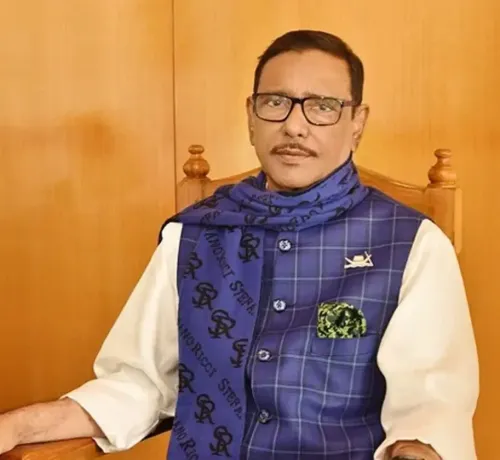
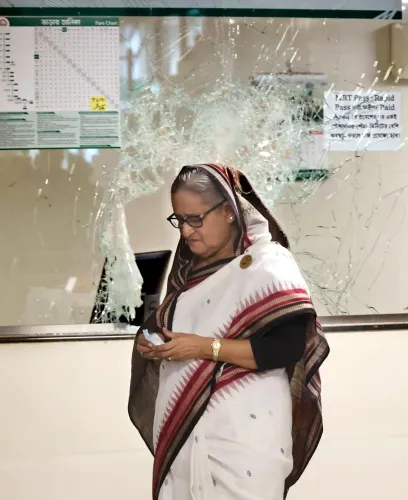
22 individuals have received death sentences, including former PM Sheikh Hasina and Awami League General Secretary Obaidul Quader .
18 of the condemned are reportedly absconding; 4 are in custody.
The 2024 uprising is estimated to have left more than 1,400 dead and forced Hasina into exile.
The ICT Act was amended in November 2024 with retroactive effect, expanding the tribunal's jurisdiction to cover protest-era violence.
The BNP under Tarique Rahman came to power in February 2026 following a general election after the Awami League was banned.
Bangladesh's International Crimes Tribunal (ICT) has convicted 68 individuals across seven cases linked to alleged murders, incitement, provocation, and conspiracy during the July–August 2024 student-led uprising, with 22 of them handed death sentences, according to media reports. The latest verdict, delivered on Tuesday, sentenced Awami League General Secretary Obaidul Quader and six others to death.
Scale of the Verdicts
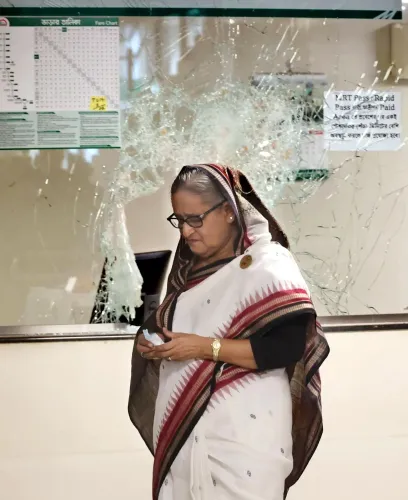
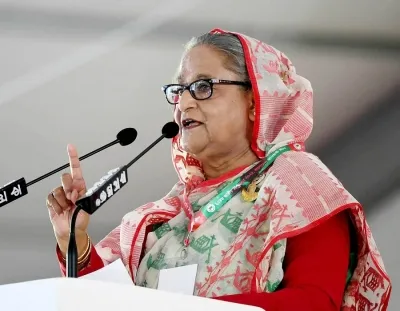
Of the 22 condemned to death, 18 are reportedly absconding, while four remain in custody, according to the Bangladesh Business Standard. The convicts facing capital punishment include former Prime Minister Sheikh Hasina, former Home Minister Asaduzzaman Khan Kamal, senior Awami League leaders, and several police officials.
Notably, 11 of those sentenced to death are Awami League leaders or members of affiliated organisations — including Hasina and Quader — while the remaining 11 are police officials. Hasina and Kamal were both sentenced to death on 17 November last year and were tried in absentia, as were the six convicted on Tuesday. Former Inspector General of Police Chowdhury Abdullah Al-Mamun, who turned state witness, received a comparatively lighter five-year prison term.
Police Officials Among the Convicted
Three former senior police officials are among those facing the death penalty: the former Commissioner of Dhaka Metropolitan Police (DMP), former Joint Commissioner Sudip Kumar Chakraborty, and then Additional Deputy Police Commissioner Shah Alam Mohammad Akhtarul Islam, according to reports. Five other police officers received prison terms ranging from three to six years.
The 2024 Uprising That Changed Bangladesh
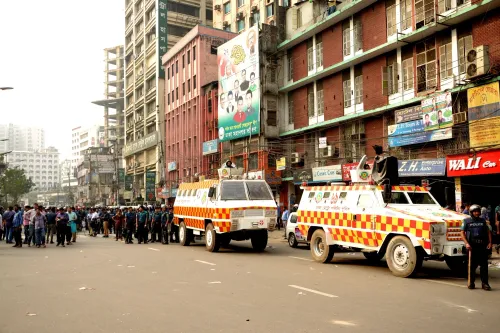
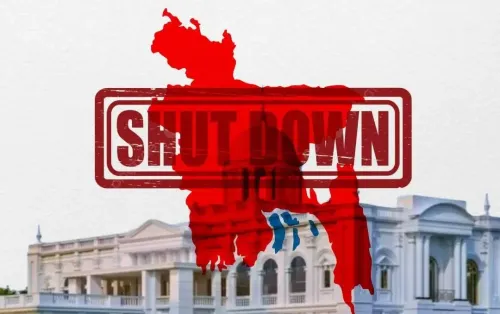
The 2024 student movement stands as a watershed moment in Bangladesh's post-independence history. Mass protests erupted over allegations of corruption, deteriorating educational conditions, and what demonstrators described as increasingly authoritarian governance under Hasina. Security forces reportedly responded with paramilitary deployments and live ammunition, leaving an estimated 1,400 people dead, according to earlier reports.
The uprising forced Hasina — who had dominated Bangladeshi politics for decades — into exile and resulted in a ban on the Awami League. This comes amid a broader political restructuring: in February 2026, a general election brought the Bangladesh Nationalist Party (BNP), led by Tarique Rahman, to power.
The ICT: Mandate and Expansion
The ICT was originally established in 2009 following the Awami League's decisive two-thirds majority victory in the December 2008 general election, with a mandate to prosecute suspects for the genocide committed during the 1971 Bangladesh Liberation War. Its first indictments were issued in 2010, with the first conviction — of Abul Kalam Azad, tried in absentia — resulting in a death sentence in January 2013.
The tribunal's scope was significantly expanded after the 2024 uprising. Amendments to the ICT Act, enacted in November 2024 and applied retroactively, modernised and broadened the tribunal's jurisdiction to cover alleged state violence during the protests. Critics and legal observers have raised questions about the retroactive application of these amendments, though the tribunal has pressed forward with proceedings.
What Comes Next
With 18 of the condemned reportedly still at large — including Hasina herself, believed to be abroad — enforcing the verdicts will hinge on extradition arrangements that remain unresolved. The continued pace of trials signals that the ICT under its expanded mandate is far from finished, and further verdicts are widely expected in the months ahead.
Point of View
Not merely a political one. But the retroactive expansion of the tribunal's mandate in November 2024 invites scrutiny: using a 1971 war crimes court to try 2024 protest-era violence is a jurisdictional stretch that defence lawyers and international human rights observers have flagged as due-process risk. The deeper problem is that 18 of the 22 condemned are abroad, including Hasina herself, meaning these verdicts are largely symbolic until extradition is secured — and no bilateral framework for that currently exists. The BNP government inherits both the legitimacy dividend of accountability and the governance risk of appearing to use judicial machinery against a vanquished political rival.
NationPress
15 Sept 2026
Frequently Asked Questions
How many people has the Bangladesh ICT sentenced over the 2024 protest violence?
The Bangladesh International Crimes Tribunal has sentenced 68 individuals across seven cases linked to alleged murders, incitement, and conspiracy during the July–August 2024 student-led protests. Of these, 22 have received death sentences, according to media reports.
Who are the prominent figures sentenced to death by the Bangladesh ICT?
Former Prime Minister Sheikh Hasina, Awami League General Secretary Obaidul Quader, and former Home Minister Asaduzzaman Khan Kamal are among those sentenced to death. Several senior police officials, including the former Commissioner of Dhaka Metropolitan Police, have also been condemned.
Were the trials conducted in the presence of the accused?
Many of the trials were conducted in absentia. Sheikh Hasina, Asaduzzaman Khan Kamal, and the six sentenced on Tuesday were all tried in their absence, as they are reportedly abroad. Of the 22 death-row convicts, 18 are said to be absconding.
What is the Bangladesh International Crimes Tribunal and why was its mandate expanded?
The ICT is a domestic tribunal established in 2009 to prosecute suspects for atrocities during the 1971 Bangladesh Liberation War. Following the 2024 student uprising and the fall of the Hasina government, the ICT Act was amended in November 2024 — retroactively — to extend the tribunal's jurisdiction to cover alleged state violence during the protests.
What happened to Bangladesh politically after the 2024 uprising?
The 2024 protest movement forced Sheikh Hasina into exile, ending her decades-long grip on power, and led to a ban on the Awami League. A general election held in February 2026 brought the Bangladesh Nationalist Party, led by Tarique Rahman, to power.