CM Yogi Flags Pre-2017 Funds Misuse, Cites Shakumbhari Corridor
Synopsis
Uttar Pradesh Chief Minister Yogi Adityanath has said that public funds allegedly misappropriated under the Samajwadi Party before 2017 are now being channelled into the Maa Shakumbhari Corridor in Saharanpur, the latest in a series of temple infrastructure projects under his government.
Key Takeaways
CM Yogi Adityanath posted on July 1, 2026 contrasting pre- and post-2017 use of public funds in Uttar Pradesh.
He alleged that before 2017 , money was either misappropriated by Samajwadi Party functionaries or spent on graveyard infrastructure.
The same funds, he said, are now being used to build the Maa Shakumbhari Corridor in Saharanpur district .
The Shakumbhari Devi Temple is an ancient Shaktipeeth and a major pilgrimage site in western Uttar Pradesh.
The corridor project follows a broader state pattern that includes completed or ongoing corridors at Varanasi , Mathura , Ayodhya , and Gorakhpur .
An inauguration timeline and detailed budget for the Shakumbhari project are yet to be officially announced.
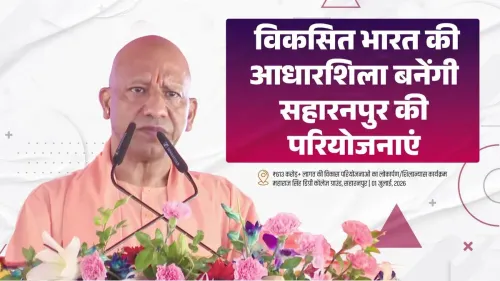
Uttar Pradesh Chief Minister Yogi Adityanath on Wednesday, July 1, 2026, publicly contrasted his government's religious infrastructure spending with what he described as the misappropriation of public funds under the previous Samajwadi Party administration, pointing specifically to the ongoing development of the Maa Shakumbhari Corridor in Saharanpur as evidence of a shift in priorities.
In a post on X, the Chief Minister wrote in Hindi: 'वर्ष 2017 के पहले पैसा या तो सपा के गुर्गों द्वारा खा लिया जाता था या कब्रिस्तान की बाउंड्री के लिए जाता था।' ('Before 2017, money was either eaten up by SP henchmen or went toward graveyard boundary walls.') He added that the same public money is now being used to build the Maa Shakumbhari Corridor.
Context
The Shakumbhari Devi Temple is an ancient Shaktipeeth located in Saharanpur district, dedicated to Goddess Shakumbhari, and draws large numbers of Hindu pilgrims from across northern India. The corridor project is part of the Yogi Adityanath government's broader programme to upgrade religious tourism infrastructure at prominent Hindu shrines across Uttar Pradesh.
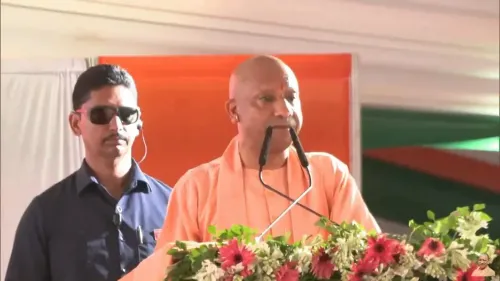
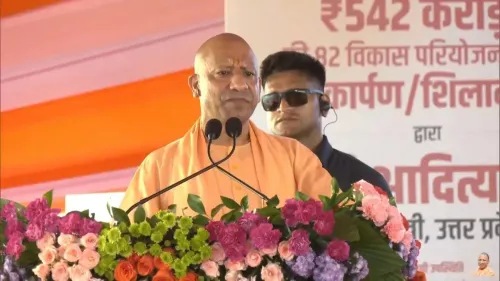
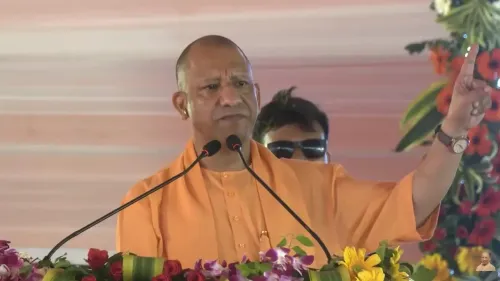
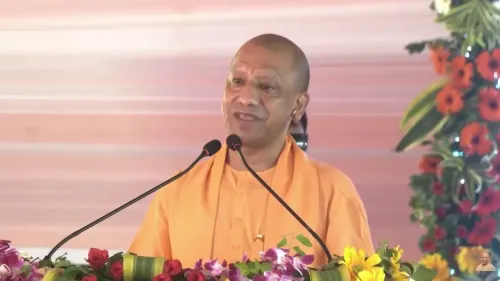
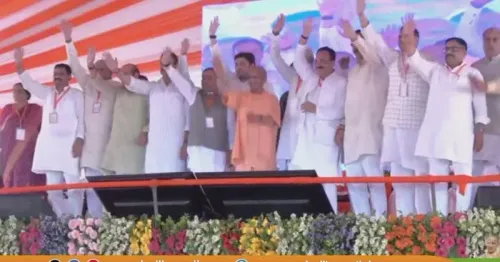
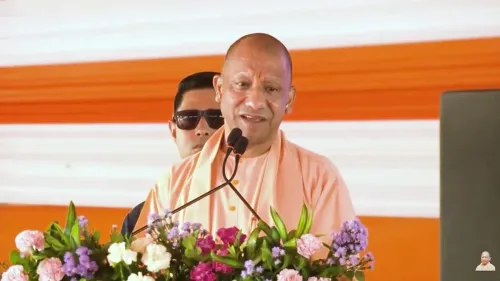
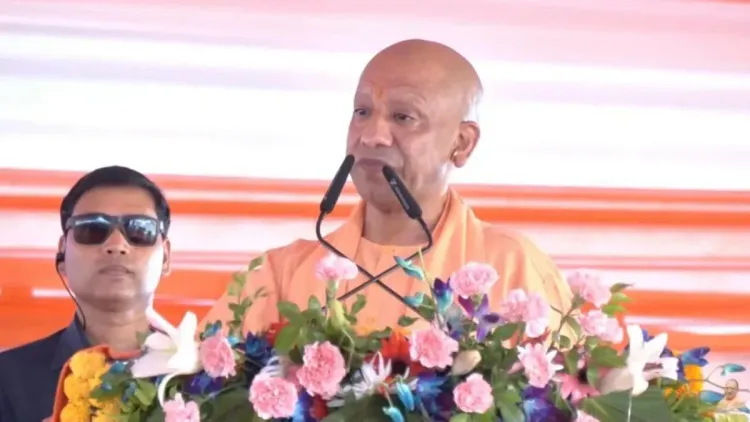
The Chief Minister's remarks came amid what appears to be an active construction phase at the site. His post included a video, suggesting an on-ground update on the corridor's progress was being shared with the public.
Policy Backdrop
Since taking office in March 2017, the Adityanath government has pursued a series of temple corridor projects across the state. The most prominent of these was the Kashi Vishwanath Corridor in Varanasi, launched in 2018, which redeveloped the precinct around one of Hinduism's holiest shrines and significantly improved pilgrim access.
Similar corridor and infrastructure initiatives have followed at sites in Mathura, Ayodhya, and Gorakhpur. The Shakumbhari project extends this pattern to western Uttar Pradesh, a region with its own dense network of pilgrimage destinations. The government has consistently framed these investments as a corrective to what it characterises as the previous administration's neglect of Hindu religious sites.
Stakeholders and Impact
The primary beneficiaries of the Shakumbhari Corridor are Hindu pilgrims and the residents of Saharanpur and surrounding areas, who stand to gain from improved access roads, amenities, and the economic activity that large-scale religious tourism generates. Saharanpur district has historically been a communally sensitive area, and infrastructure investments at a prominent Hindu shrine carry political as well as developmental weight.
The Samajwadi Party, which governed Uttar Pradesh from 2012 to 2017 under Akhilesh Yadav, has frequently been targeted by the BJP over allegations of corruption and what the ruling party calls minority appeasement at the cost of broader development. The SP has consistently denied such characterisations.
What's Next
Attention will now turn to the physical progress and official budget disclosures for the Maa Shakumbhari Corridor, including any announced inauguration timeline. The project could also prompt parallel announcements for additional temple infrastructure in western Uttar Pradesh as the state government looks to consolidate its religious tourism agenda ahead of future electoral cycles.
Point of View
Using a religious infrastructure milestone to simultaneously highlight governance credentials and attack the Samajwadi Party's record. By tying the Shakumbhari Corridor directly to alleged prior misuse of funds, the statement serves both a developmental announcement and an electoral framing function. The move fits a consistent arc: the Yogi government has used temple corridor projects as visible, symbolically resonant markers of its Hindu-welfare governance model. With western Uttar Pradesh — and Saharanpur in particular — remaining politically contested territory, the timing and geography of this push are unlikely to be coincidental.
NationPress
30 Sept 2026
Frequently Asked Questions
What is the Maa Shakumbhari Corridor project?
The Maa Shakumbhari Corridor is a religious tourism infrastructure project being developed by the Uttar Pradesh government around the ancient Shakumbhari Devi Temple in Saharanpur district, aimed at improving access and facilities for pilgrims.
What did CM Yogi Adityanath say about the Samajwadi Party and funds?
CM Yogi claimed that before 2017, public money was either misappropriated by SP functionaries or spent on graveyard boundary walls, and that those same funds are now being used for the Shakumbhari Corridor.
Where is the Shakumbhari Devi Temple located?
The Shakumbhari Devi Temple is located in Saharanpur district in western Uttar Pradesh. It is an ancient Shaktipeeth dedicated to Goddess Shakumbhari and attracts pilgrims from across northern India.
What other temple corridors has the Yogi government built in UP?
The Yogi Adityanath government has pursued corridor projects at several Hindu shrines, most notably the Kashi Vishwanath Corridor in Varanasi, along with initiatives at Mathura, Ayodhya, and Gorakhpur.
When did Yogi Adityanath become Chief Minister of Uttar Pradesh?
Yogi Adityanath became Chief Minister of Uttar Pradesh in March 2017 after the BJP won the state assembly elections, ending the Samajwadi Party's five-year tenure in power.