CM Yogi Restates 2017 Pledges on Illegal Slaughter, Land Mafia
Synopsis
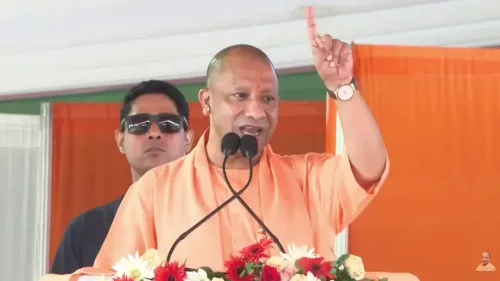
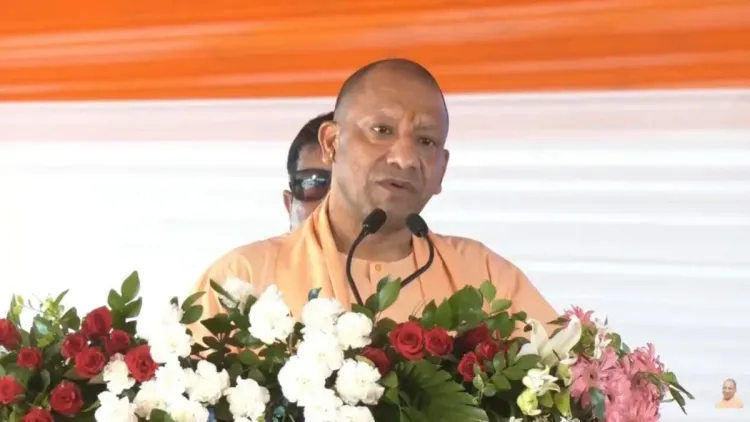
Uttar Pradesh Chief Minister Yogi Adityanath on 9 July 2026 publicly restated his foundational 2017 pledges — complete elimination of illegal slaughtering and a 24-hour ultimatum to land mafias occupying the poor's land — signalling these remain active governance priorities for his administration.
Key Takeaways
Yogi Adityanath on 9 July 2026 reiterated two governance commitments first made when he became Uttar Pradesh Chief Minister in 2017 .
The first pledge: illegal slaughtering in Uttar Pradesh would be completely stopped.
The second pledge: land mafias occupying the properties of the poor must vacate within 24 hours or face forced eviction.
Anti-encroachment operations and crackdowns on unlicensed slaughterhouses have been signature policies of the Yogi Adityanath administration since 2017 .
The statement was posted with a video on his official X account, suggesting a deliberate public-communication push.
District-level enforcement action or new government orders may follow the renewed public articulation of these pledges.
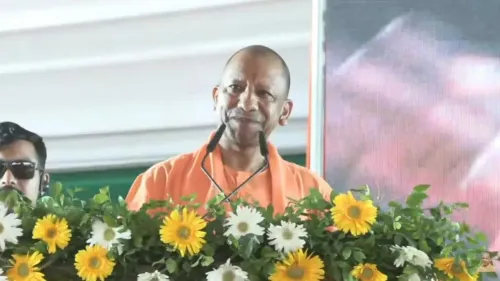
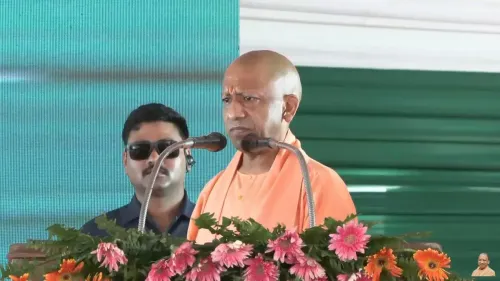
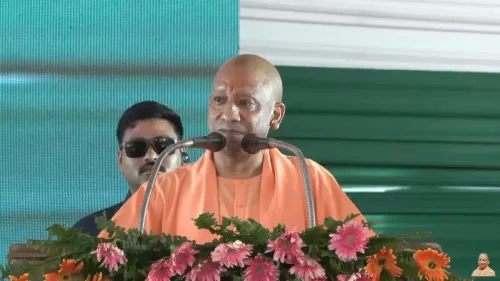
Uttar Pradesh Chief Minister Yogi Adityanath on Thursday, 9 July 2026 publicly reiterated two foundational governance commitments he made upon taking office in 2017 — the complete elimination of illegal slaughtering and the removal of land mafias occupying the properties of the poor. The statement, posted on his official X account, carried the same direct, ultimatum-style language that has characterised his administration's public communications on law-and-order since its earliest days.
Context
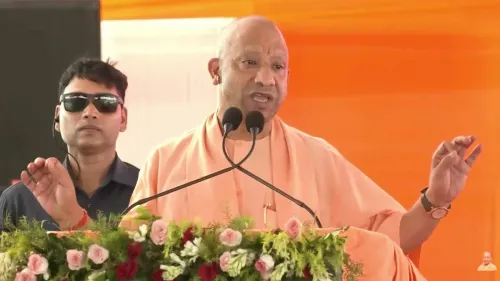
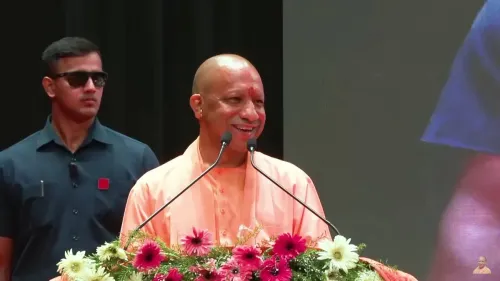
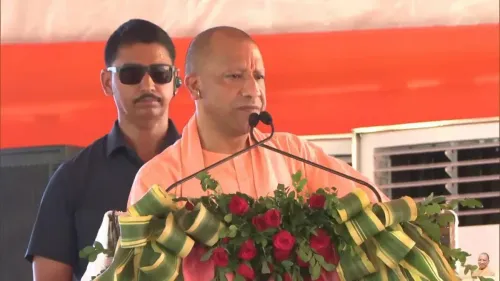
In the post, Yogi Adityanath recalled: 'मुख्यमंत्री बनने के बाद हमने दो बातें कही थीं' ('After becoming Chief Minister, we had said two things'). The first pledge was that illegal slaughtering would be stopped entirely. The second was a pointed warning to land encroachers: vacate the land of the poor within 24 hours, or the government would forcibly clear them out. The post was accompanied by a video, reinforcing its declaratory, campaign-style character.
The language mirrors the tone Yogi Adityanath has used repeatedly since March 2017, when his government launched its first wave of crackdowns on unlicensed slaughterhouses and began anti-encroachment operations across multiple districts of Uttar Pradesh. By revisiting these pledges publicly in 2026, the Chief Minister signals that he views both as live, ongoing mandates rather than settled achievements.
Policy Backdrop
The drive against illegal slaughterhouses has been one of the most visible and contested elements of the Yogi Adityanath administration's tenure. Shortly after assuming office in 2017, the government ordered inspections and closures of abattoirs operating without valid licences across Uttar Pradesh, a move that drew sharp reactions from multiple quarters — including meat traders, minority community groups, and opposition parties — while being widely welcomed within the BJP's core constituency.
Parallel to this, the administration launched sustained anti-encroachment operations targeting what it described as organised 'land mafias' — networks accused of illegally occupying agricultural and residential land belonging to poor farmers and landowners, particularly in rural districts. These operations have involved the use of heavy machinery to demolish unauthorised structures, a practice that has become a signature of the Yogi Adityanath government's approach to restoring land rights. Both policy tracks align closely with the BJP's state-level emphasis on law enforcement, cow protection, and dismantling organised crime.
Stakeholders and Impact
The primary beneficiaries cited in the Chief Minister's framing are poor farmers and landowners whose properties have allegedly been seized by criminal networks. For this constituency, the 24-hour ultimatum language is intended to project administrative decisiveness and accessible justice. Slaughterhouse operators — both licensed and unlicensed — and groups engaged in land disputes with the state government remain the most directly affected parties on the other side of these policies.
The Gorakhnath Math in Gorakhpur, the Hindu monastery headed by Yogi Adityanath, has historically provided the ideological and organisational grounding for his emphasis on cow protection and community welfare. The Math's influence continues to shape the political vocabulary and policy priorities that the Chief Minister projects publicly, lending his statements on these issues a dual character — both administrative directive and religious-cultural assertion.
What's Next
The renewed public articulation of these two pledges is likely to precede or accompany fresh enforcement drives at the district level. Observers and stakeholders will watch for new government orders, administrative circulars, or district magistrate-level directives expanding anti-encroachment powers or intensifying inspections of slaughterhouses in the current legislative period. Opposition parties in Uttar Pradesh are expected to scrutinise the timing and scope of any follow-up action, particularly as the political calendar in the state grows more active ahead of future electoral cycles.
Point of View
Yogi Adityanath is doing more than recounting history — he is recalibrating his political brand around the same law-and-order themes that first defined his tenure. The deliberate use of first-person plural ('we had said') frames these not as party directives but as personal sovereign commitments, reinforcing his image as a decisive administrator rather than a coalition manager. This rhetorical move typically precedes or accompanies a fresh enforcement cycle, serving both as a warning to targeted groups and as reassurance to his core support base. It also positions the BJP in Uttar Pradesh to contest any narrative that governance momentum has slowed, keeping these emotive issues central to the public conversation.
NationPress
8 Oct 2026
Frequently Asked Questions
What did CM Yogi Adityanath say about illegal slaughterhouses in his July 2026 post?
Yogi Adityanath stated that after becoming Chief Minister he had pledged that illegal slaughtering would be completely stopped in Uttar Pradesh , and he reiterated this as an ongoing commitment in his 9 July 2026 post on X.
What is the 24-hour ultimatum Yogi Adityanath gave to land mafias?
In his post, Yogi Adityanath warned that any mafia which has illegally occupied the land of poor people must vacate it within 24 hours , or the government would forcibly clear the encroachment.
When did Yogi Adityanath first make these governance pledges?
Yogi Adityanath first made these pledges when he became Uttar Pradesh Chief Minister in 2017 , and his administration launched anti-slaughterhouse and anti-encroachment operations shortly after taking office.
What is the Gorakhnath Math and its connection to Yogi Adityanath's policies?
The Gorakhnath Math is a prominent Hindu monastery in Gorakhpur , Uttar Pradesh , headed by Yogi Adityanath . It provides the ideological and organisational grounding for his emphasis on cow protection and community welfare, themes that run through his governance agenda.
What enforcement action could follow Yogi Adityanath's July 2026 statement?
Observers expect possible district-level anti-encroachment drives, inspections of unlicensed slaughterhouses, or new government orders expanding enforcement powers in Uttar Pradesh in the period following the Chief Minister's statement.