CM Yogi Reviews Ram Pilgrimage Routes and 742-km UP Highway

Synopsis
Chief Minister Yogi Adityanath reviewed three Ramayana-themed pilgrimage corridors — Ram Van Gaman Marg, Ram Janaki Marg, and 84 Kosi Parikrama Marg — and a proposed 742-km four-lane Shamli-Gorakhpur national highway, calling the projects vital for cultural heritage, religious tourism, and east-west economic connectivity in Uttar Pradesh.
Key Takeaways
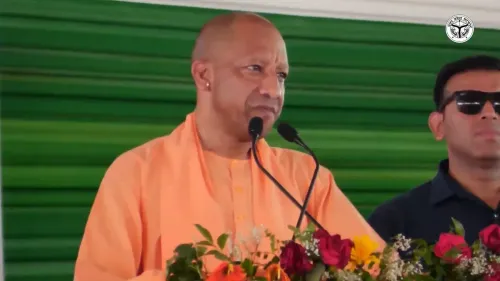
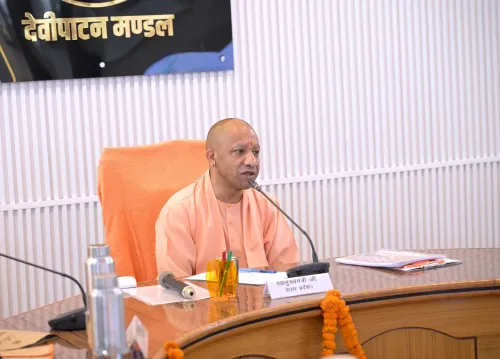
CM Yogi Adityanath chaired a review of three pilgrimage corridors and a major highway project on 13 July 2026 .
The Ram Van Gaman Marg , Ram Janaki Marg , and 84 Kosi Parikrama Marg are designed to boost religious tourism and strengthen India's cultural heritage infrastructure.
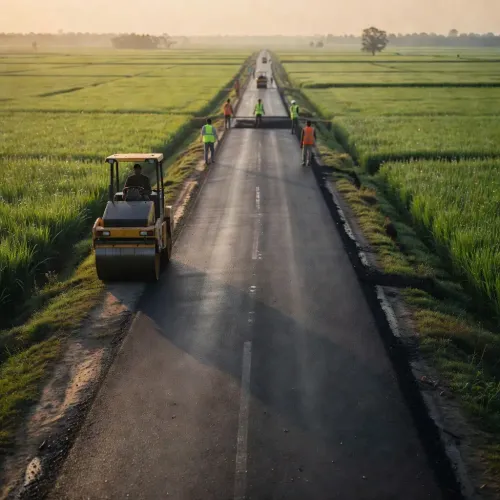
A proposed 742-km, four-lane access-controlled national highway will link Shamli (western UP) to Gorakhpur (eastern UP).
The Chief Minister described the highway as critical for industrial development, agricultural economy, investment, and strategic connectivity.
The pilgrimage corridor projects gained momentum after the Ram Mandir inauguration in Ayodhya in January 2024 .
Land acquisition progress and funding approvals remain key milestones to watch for all four projects.
The Chief Minister's Office of Uttar Pradesh announced on Monday, 13 July 2026 that Chief Minister Yogi Adityanath chaired a review of three major pilgrimage corridor projects — the Ram Van Gaman Marg, the Ram Janaki Marg, and the 84 Kosi Parikrama Marg — alongside a proposed 742-kilometre, four-lane access-controlled national highway linking Shamli in western Uttar Pradesh to Gorakhpur in the east.
Context
At the review meeting, CM Yogi stated that the three pilgrimage route projects 'will provide new energy to India's cultural heritage, religious tourism, and local economy' (bharat ki sanskritik virasat, dharmik paryatan evam sthaniya arthvyavastha ko nayi urja pradaan karengi). The three corridors collectively trace routes associated with Lord Ram's exile journey, the circumambulation path around Ayodhya, and the road network connecting sites linked to both Ram and Sita across the state.
The 84 Kosi Parikrama Marg encircles Ayodhya along a traditional Hindu pilgrimage circuit of roughly 84 kos, a route that has held religious significance for centuries. The Ram Van Gaman Marg traces the forest path taken by Lord Ram during his exile, while the Ram Janaki Marg links pilgrimage sites across Uttar Pradesh associated with the couple.
Policy Backdrop
These three corridors gained fresh momentum after the inauguration of the Ram Mandir in Ayodhya in January 2024, which triggered a sharp rise in pilgrimage footfall and prompted the state government to accelerate supporting road and tourism infrastructure. The projects sit within a broader state push to develop Ramayana-themed tourism circuits that connect eastern Uttar Pradesh's religious heartland with the rest of the country.
The proposed Shamli–Gorakhpur corridor aligns with the national Bharatmala Pariyojana framework, launched in 2015, which prioritises access-controlled highways to improve freight and passenger movement across the Indo-Gangetic plain. CM Yogi described the corridor as 'extremely important from the perspective of industrial development, investment, agriculture-based economy, and strategic considerations' (audyogik vikas, nivesh, krishi aadharit arthvyavastha aur samrik drishti se atyant mahatvapurn).
Stakeholders and Impact
Religious tourists and pilgrims stand to benefit most directly from the three pilgrimage corridors, which are expected to reduce travel time between key Ramayana-circuit destinations and improve last-mile connectivity to shrines. Local economies in districts along the routes — including Ayodhya and surrounding areas — are projected to see increased hospitality, trade, and employment activity.
For the Shamli–Gorakhpur highway, the primary beneficiaries include industrial investors, farmers, and logistics operators across the corridor's districts. The highway is intended to bridge the economic gap between western Uttar Pradesh's established industrial belt and the relatively less-connected eastern districts around Gorakhpur, which is also the Chief Minister's home constituency.
What's Next
Progress on land acquisition, funding approvals, and phased construction timelines will be the key indicators to watch for both the pilgrimage corridors and the 742-km highway. The review signals that the state government is moving these projects from planning into active execution oversight, though specific completion deadlines were not announced in the official communication.
If the highway and pilgrimage corridors advance on schedule, they could significantly reshape Uttar Pradesh's internal connectivity map — positioning the state as both a logistics hub and a premier domestic religious tourism destination ahead of future national and international pilgrimage events.
Point of View
Carrying both economic and political weight. Anchoring the pilgrimage routes to post-Ayodhya momentum is a well-worn template in UP's infrastructure communication, but the scale of the highway proposal elevates this beyond routine announcements. The real test will be whether land acquisition and funding translate into ground-level progress before the next electoral cycle.
NationPress
14 Jul 2026
Frequently Asked Questions
What is the Ram Van Gaman Marg in Uttar Pradesh?
The Ram Van Gaman Marg is a pilgrimage corridor in Uttar Pradesh that traces the forest route taken by Lord Ram during his exile, developed to promote religious tourism, particularly after the Ayodhya Ram Mandir inauguration in 2024.
What is the Shamli to Gorakhpur highway project?
It is a proposed approximately 742-kilometre, four-lane access-controlled national highway that will connect Shamli in western Uttar Pradesh to Gorakhpur in the east, aimed at boosting industrial development, agricultural trade, and strategic connectivity.
What is the 84 Kosi Parikrama Marg?
The 84 Kosi Parikrama Marg is a traditional Hindu circumambulation route encircling Ayodhya , spanning roughly 84 kos. The Uttar Pradesh government has been upgrading it as part of its religious tourism infrastructure push.
Why is CM Yogi reviewing these projects now?
The Chief Minister's Office announced a review on 13 July 2026 to assess construction progress on the pilgrimage corridors and the Shamli–Gorakhpur highway, signalling active executive oversight as these projects move toward implementation.
How do these projects connect to the Ayodhya Ram Mandir?
The Ram Mandir inauguration in January 2024 significantly increased pilgrimage traffic to Ayodhya, prompting the Uttar Pradesh government to accelerate the development of Ramayana-themed road corridors to handle the surge and expand the tourism circuit.