CM Yogi Salutes Ayodhya Deepotsav Sanitation Workers
Synopsis
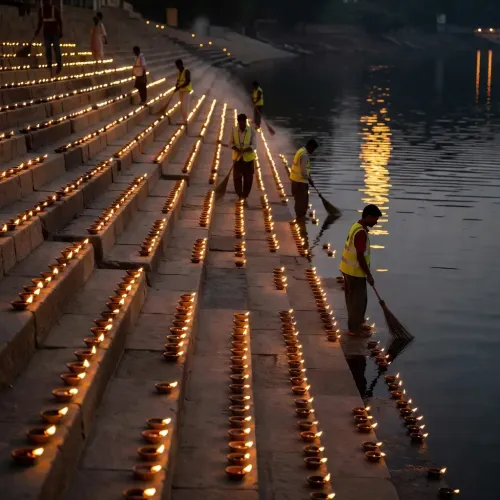
CM Yogi Adityanath, through the UP Chief Minister's Office, publicly saluted Ayodhya's sanitation workers for their contribution to the successful conduct of Deepotsav 2026 on November 7, linking civic labour to the state's growing cultural tourism ambitions.
Key Takeaways
Deepotsav 2026 was held in Ayodhya on November 7, 2026 , continuing the state's annual festival-of-lights tradition.
CM Yogi Adityanath specifically credited sanitation workers for enabling the event's smooth conduct.
The Uttar Pradesh government has organised Deepotsav in Ayodhya every year since 2017 .
The recognition aligns with the state's broader Swachh Bharat -linked approach to large public events.
Ayodhya , home to the Ram Temple , is being developed as a flagship heritage tourism destination under the current administration.
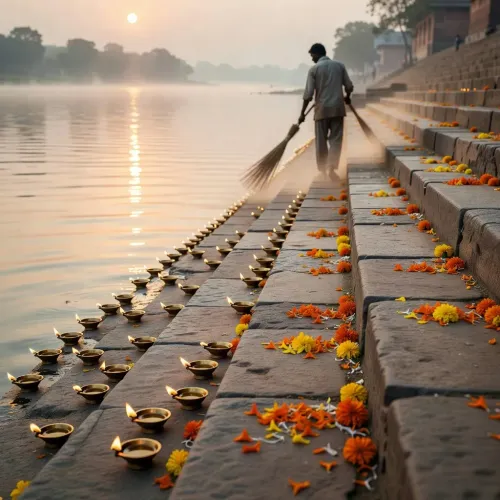
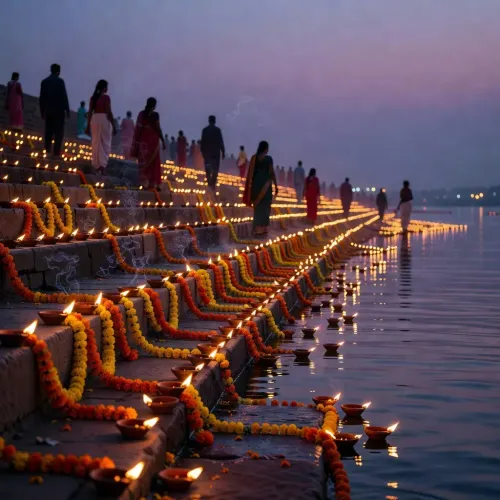
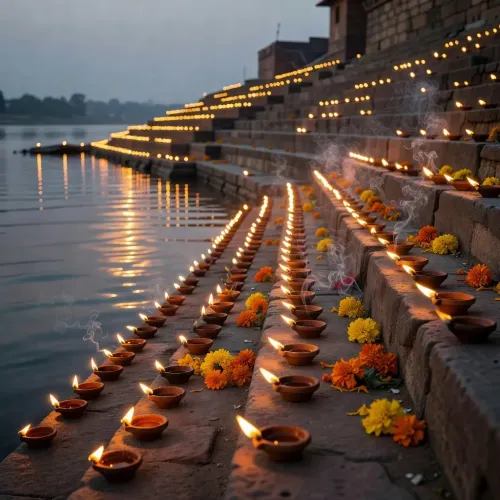
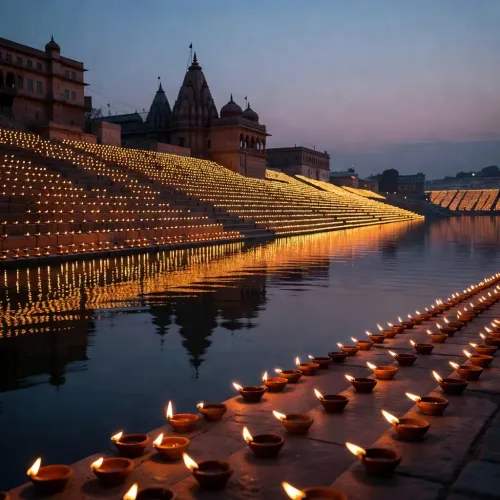
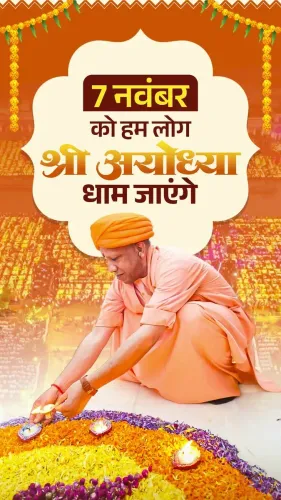
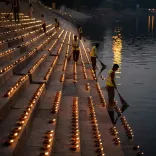
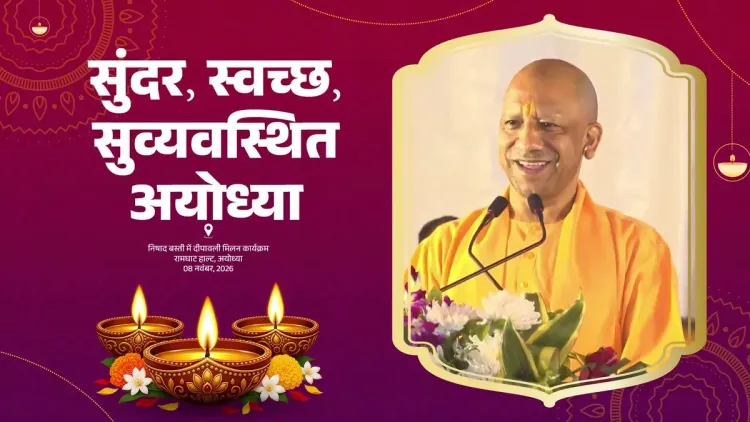
When thousands of earthen lamps lit up the banks of the Saryu river in Ayodhya on Saturday, November 7, 2026, the spectacle demanded far more than ceremony — it demanded clean ghats, managed crowds, and invisible hands working through the night. The Chief Minister's Office of Uttar Pradesh, sharing a message from Chief Minister Yogi Adityanath, made those invisible hands visible on Sunday, November 8, offering a public salute to every sanitation worker who made Deepotsav 2026 possible.
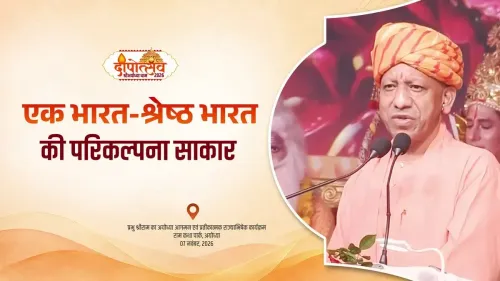
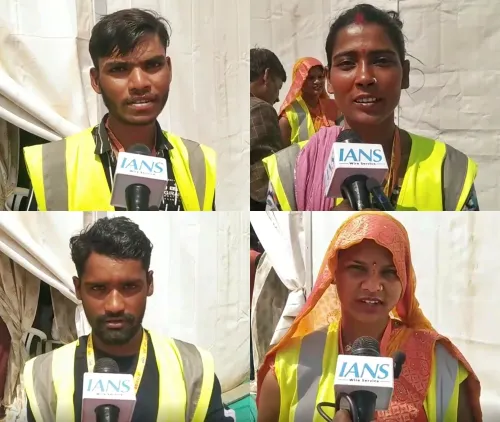
In his message, CM Yogi Adityanath said — translated from Hindi — 'Kal Ayodhya mein Deepotsav ke avsar par adbhut aayojan sampann hua' ('Yesterday in Ayodhya, a magnificent Deepotsav event was concluded'). He added that he 'wholeheartedly felicitates all sanitation workers who contributed to the smooth conduct of this event and congratulates them on this successful occasion.' The acknowledgement was deliberate: in the theatre of a mega public event, the people who scrub the stones rarely share the stage.
Deepotsav's nine-year rise as a state centrepiece
The Uttar Pradesh government has held Deepotsav in Ayodhya every year since 2017, turning a local religious tradition into a nationally watched cultural production. The event has grown edition by edition into a showcase for the state's ambitions — positioning Ayodhya, home to the newly consecrated Ram Temple, as the crown jewel of India's heritage tourism circuit. Each iteration sets a fresh benchmark for the number of lamps lit simultaneously.
The scale brings a parallel challenge: a surge of pilgrims, media crews, and dignitaries descending on a historic city means waste management and sanitation become mission-critical. The state's approach aligns with the national Swachh Bharat framework, which treats cleanliness at public events as a performance indicator alongside the cultural programme itself. By spotlighting sanitation workers in the aftermath, the CM's message signals that the government views civic labour as integral to the event's prestige — not a footnote.
Recognition that travels further than a certificate
A Chief Minister's public tribute to sanitation staff carries weight that an internal memo cannot. It frames physical labour as civic honour, an idea the administration has leaned into across its broader push to link Ayodhya's transformation — new ghats, improved road access, the Ram Mandir complex itself — with everyday municipal upkeep. The city is no longer just a pilgrimage stop; it is increasingly a managed tourism destination where the visitor experience, from the moment of arrival to departure, is a state responsibility.
The next Deepotsav, and any state announcements on Ayodhya infrastructure targets or tourist footfall, will reveal how firmly this civic-cultural model is being institutionalised. For now, the lamp-lighters have their moment — and so do the people who kept the ghats clean enough to light them.
Point of View
And it reinforces the Swachh Bharat narrative at the grassroots level. For a government that has made Ayodhya the centrepiece of its cultural and tourism agenda, linking frontline workers to the event's success broadens the story beyond the lamp count. It also reflects a broader pattern under the Yogi administration of treating Ayodhya not merely as a religious symbol but as a managed, modern destination where state capacity — from infrastructure to cleanliness — is on public display.
NationPress
8 Nov 2026
Frequently Asked Questions
What is Deepotsav in Ayodhya?
Deepotsav is an annual festival of lights held in Ayodhya, Uttar Pradesh, in which thousands of earthen lamps are lit along the banks of the Saryu river. The Uttar Pradesh government has organised it every year since 2017 to promote cultural heritage and tourism.
Why did CM Yogi congratulate sanitation workers after Deepotsav 2026?
CM Yogi Adityanath praised sanitation workers for their contribution to the smooth and organised conduct of Deepotsav 2026 in Ayodhya on November 7, 2026, recognising that managing cleanliness at large public events is essential to their success.
When did Deepotsav 2026 take place?
Deepotsav 2026 was held in Ayodhya on Saturday, November 7, 2026, with the Chief Minister's message of appreciation shared the following morning on November 8.
How long has the UP government been organising Deepotsav?
The Uttar Pradesh government has been organising Deepotsav in Ayodhya annually since 2017, using the event to highlight the city's religious and cultural heritage.
What is the significance of Ayodhya under CM Yogi's government?
Ayodhya is a major Hindu pilgrimage city and the site of the Ram Temple. Under CM Yogi Adityanath's administration since 2017, it has been developed as a flagship heritage tourism destination, with large public events like Deepotsav used to boost its national and international profile.