CM Yogi Hails Sanitation Workers After Ayodhya Deepotsav
Synopsis
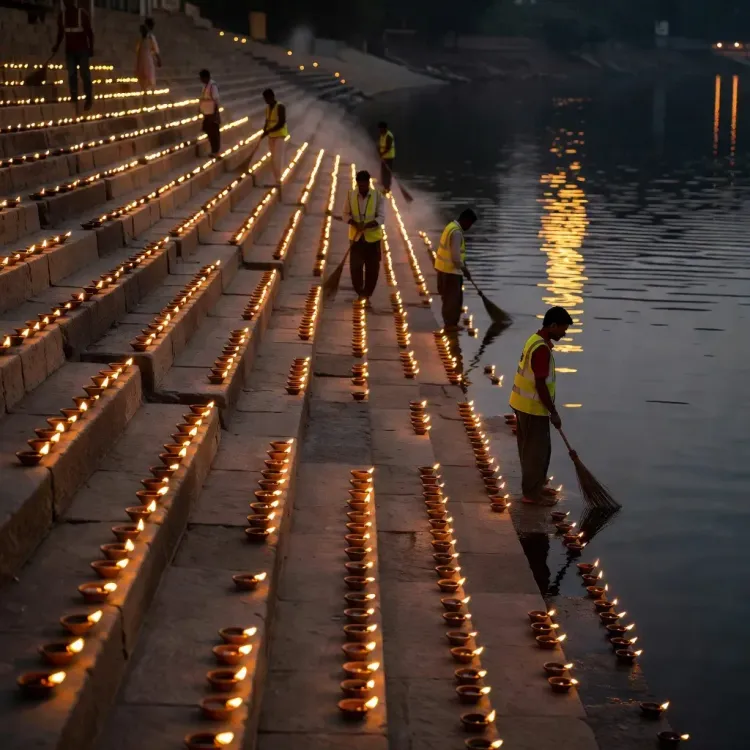
Chief Minister Yogi Adityanath praised Ayodhya's sanitation workers after Deepotsav 2026, where over 30 lakh lamps were lit and millions of devotees attended — yet all ghats were found clean and orderly by morning. The tribute highlights UP's push to make Ayodhya a model pilgrimage city.
Key Takeaways
The Chief Minister's Office of Uttar Pradesh posted CM Yogi Adityanath's personal tribute to sanitation workers after Deepotsav 2026 in Ayodhya .
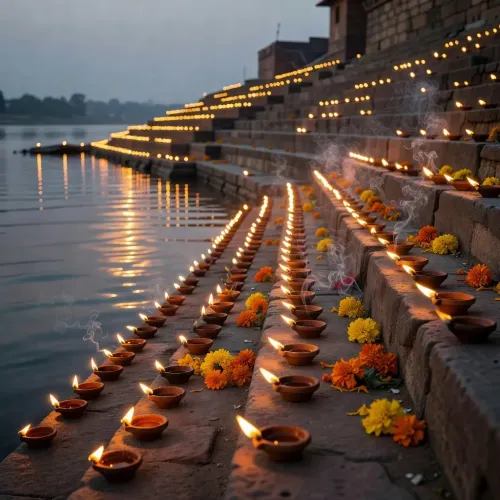
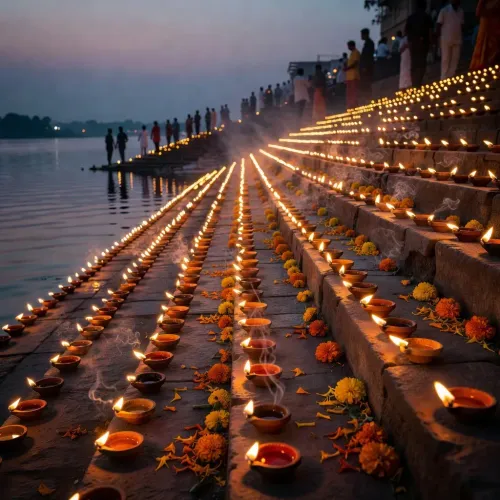
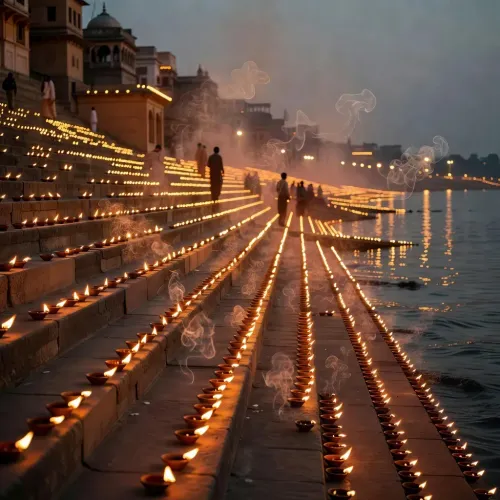
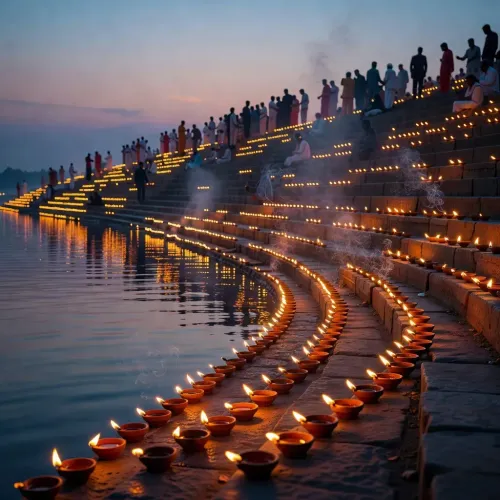
More than 30 lakh (3 million) oil lamps were lit along the Sarayu river ghats , with lakhs of devotees present until late at night.
CM Yogi reported finding all ghats 'clean and beautiful' the following morning — 'no dirt, disorder, or chaos anywhere.' The Uttar Pradesh government has organised Deepotsav annually in Ayodhya since 2017 , pairing religious scale with cleanliness drives.
The event follows the Ram Temple inauguration in 2024 , which significantly amplified Ayodhya's footfall during festivals.
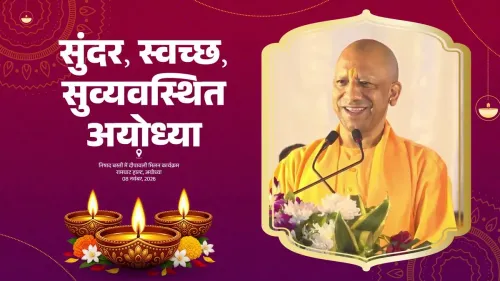
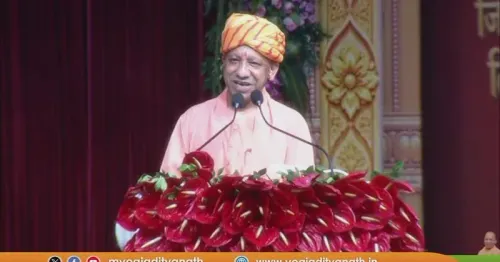
When over 30 lakh oil lamps lit up the ghats of Ayodhya on the night of Deepotsav 2026, millions of devotees filled every bank of the Sarayu river — and by dawn, the Chief Minister's Office of Uttar Pradesh reported something that made the event doubly remarkable: the ghats were spotless. Chief Minister Yogi Adityanath personally noted the feat, posting a tribute to the sanitation workers who made it possible.
In his post, CM Yogi Adityanath observed: 'Lakhs of devotees reached Ayodhya Dham on the occasion of Deepotsav. More than 30 lakh lamps were lit... crowds of devotees remained until late at night. Despite this, when I saw in the morning, all the ghats were clean and beautiful. There was no dirt, disorder, or chaos anywhere. This is in itself a wonderful achievement. I congratulate all the sanitation workers who completed this entire task in an organized manner.' The tribute, rare in its directness, put a spotlight not on the spectacle but on the people behind it.
Nine Years of Deepotsav — and a Rising Standard
The Uttar Pradesh government has organised Deepotsav annually in Ayodhya since 2017, the year CM Yogi took office, turning what was once a local religious observance into one of India's most-watched public cultural events. The festival centres on the mass lighting of earthen lamps along the Sarayu ghats to commemorate the return of Lord Rama — a tradition that has grown each year in scale and ambition.
Ayodhya, long revered as the birthplace of Lord Rama, gained renewed national prominence after the inauguration of the Ram Temple in 2024. Since then, the city has seen large-scale infrastructure investment by the state government to handle the surge in pilgrims, particularly during festivals like Diwali.
The Quiet Work Behind the Grand Spectacle
Managing the aftermath of a festival that draws millions to riverbanks overnight is a logistical challenge in itself. Sanitation crews at Ayodhya's ghats must work through the night and into the early hours to clear flower offerings, lamp remnants, and waste before morning prayers begin. CM Yogi's acknowledgment of their work by name — rather than as an afterthought — signals an intent to make cleanliness as central to the festival's identity as the lamps themselves.
The state's pairing of large religious events with visible urban cleanliness is part of a deliberate strategy to position Ayodhya as a model pilgrimage destination — one where scale and order coexist. That the ghats passed the morning-after test, by the Chief Minister's own account, adds a concrete data point to that narrative.
Point of View
The state has consistently used Deepotsav to signal administrative capability alongside cultural pride. The 'clean ghats by morning' detail is precisely the kind of tangible, verifiable outcome the administration wants associated with its temple-city project. As Ayodhya's annual footfall climbs post the Ram Temple inauguration, the pressure to deliver order at scale — and to be seen doing so — will only intensify.
NationPress
8 Nov 2026
Frequently Asked Questions
What is Deepotsav in Ayodhya?
Deepotsav is an annual Diwali festival held in Ayodhya, Uttar Pradesh, where thousands of oil lamps are lit along the Sarayu river ghats to celebrate the return of Lord Rama. The Uttar Pradesh government has organised it every year since 2017, turning it into one of India's largest public religious-cultural events.
How many lamps were lit at Ayodhya Deepotsav 2026?
According to the post from the Chief Minister's Office of Uttar Pradesh, more than 30 lakh (3 million) oil lamps were lit during Deepotsav 2026 in Ayodhya.
Why did CM Yogi Adityanath praise sanitation workers after Deepotsav?
CM Yogi Adityanath noted that despite lakhs of devotees attending the overnight Deepotsav event, all the ghats of Ayodhya were found clean and orderly by morning. He publicly congratulated the sanitation workers responsible for this achievement.
When did the Uttar Pradesh government start organising Deepotsav?
The Uttar Pradesh government began organising Deepotsav annually in Ayodhya from 2017, the year CM Yogi Adityanath assumed office, as part of efforts to promote religious tourism and cultural heritage.
How has Ayodhya's prominence grown in recent years?
Ayodhya, regarded as the birthplace of Lord Rama, gained major national attention after the Ram Temple was inaugurated in 2024. The state government has since invested in infrastructure upgrades to handle the surge in pilgrims, particularly during festivals like Deepotsav and Diwali.