Kishan Reddy shares PM Modi's Diwali with Bastar troops
Synopsis
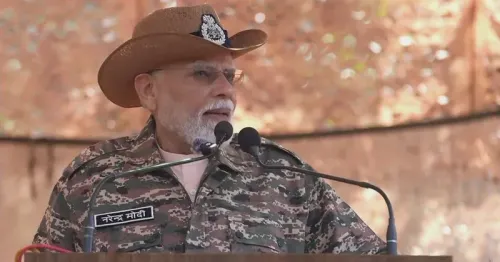
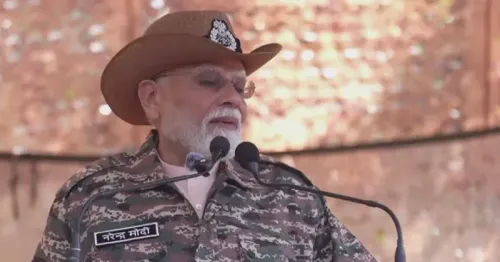
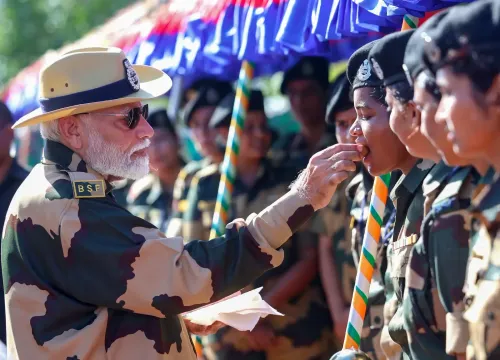
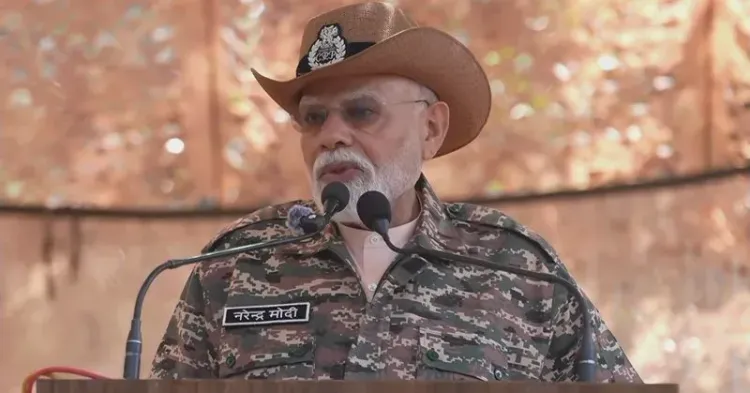
PM Modi celebrated Diwali with security forces deployed in Bastar, Chhattisgarh on 8 November 2026, continuing a tradition of festival visits to forward areas. Union Minister G. Kishan Reddy amplified the live-stream, spotlighting the gesture toward personnel serving in one of India's most active insurgency-affected zones.
Key Takeaways
PM Narendra Modi spent Deepawali 2026 with security forces in Bastar, Chhattisgarh , one of India's key counter-insurgency zones.
Kishan Reddy shared a live-stream of the event on 8 November 2026 .
Bastar has been the front line of Left Wing Extremist insurgency for decades, with central paramilitary forces maintaining continuous deployments.
Indian Prime Ministers have maintained a tradition of visiting troops in forward or conflict-affected areas during major festivals.
Kishan Reddy holds dual roles as BJP Telangana state president and Union Minister of Coal and Mines , giving the post both national and regional resonance.
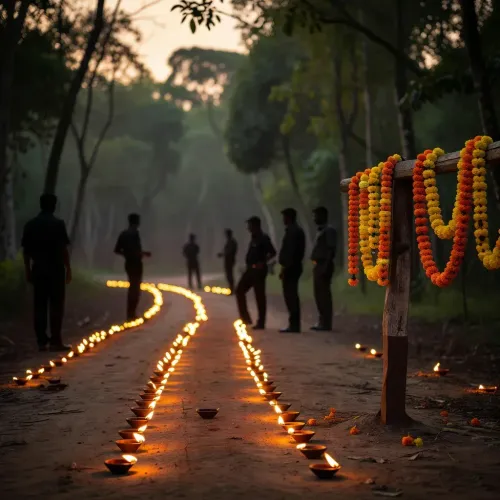
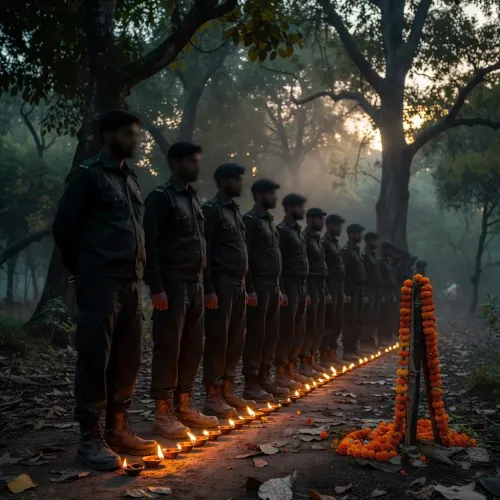
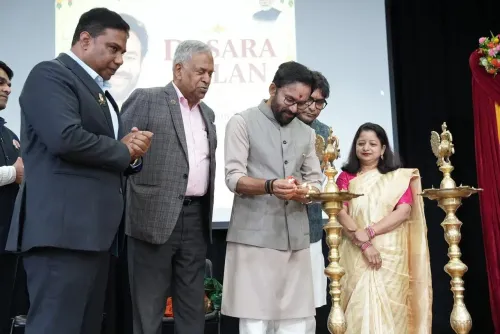
On a day when most of India lights lamps at home, Prime Minister Narendra Modi chose to light the festival in Bastar, Chhattisgarh — sitting with the security forces who keep watch through the night in one of the country's most demanding theatres of counter-insurgency. Union Coal and Mines Minister G. Kishan Reddy amplified a live-stream of the visit on Sunday, 8 November 2026, drawing public attention to the moment.
A Diwali in Bastar's forward lines
Bastar is not a ceremonial backdrop. For decades, the region in southern Chhattisgarh has been the front line of India's most protracted internal security challenge — the Left Wing Extremist insurgency that has claimed thousands of lives of civilians, police, and paramilitary personnel alike. Central forces including the CRPF and state police units maintain continuous deployments here, often through festivals when families elsewhere gather indoors.
By travelling to Bastar for Deepawali, the Prime Minister continued a tradition observed by Indian leaders of spending major festivals with troops stationed in forward or conflict-affected zones — a gesture that carries particular weight in a district where the cost of service is tangible and daily.
Why Kishan Reddy's signal matters
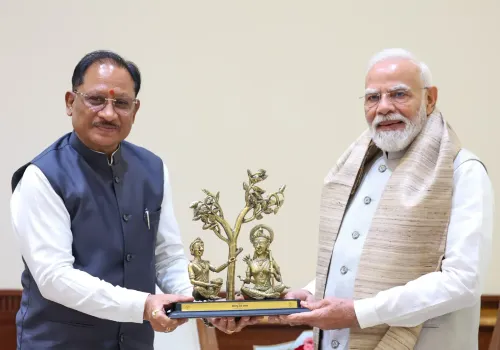
As BJP's Telangana state president and a senior Union minister, Kishan Reddy's decision to share the live-stream extends the reach of the Prime Minister's gesture to a southern audience that includes families of CRPF and police personnel recruited from Telangana and Andhra Pradesh and deployed across Chhattisgarh's forests. The amplification is as much political communication as it is tribute.
Bastar has become a recurring symbol in the BJP's national-security narrative — a place where policy, sacrifice, and sovereignty intersect. A minister choosing to broadcast this moment on a festival day reinforces that framing without a single policy announcement needed.
The longer arc: festivals, forces, and Chhattisgarh
Counter-insurgency operations in Bastar have intensified in recent years, with security forces recording significant operational successes against Maoist cadres. The region's transformation — from near-ungoverned terrain to an area where the Prime Minister can visit publicly and broadcast live — is itself part of the government's larger messaging about its security record in central India.
For the men and women in uniform spending Diwali 2026 far from home, the visit is a reminder that the festival finds them — even in Bastar.
Point of View
Confident, and celebratory even in its most contested geographies. For the BJP, Bastar's gradual pacification is a political asset, and amplifying such moments through senior ministers extends the message beyond Delhi. Kishan Reddy's choice to broadcast this from Telangana also speaks to that state's large pool of CRPF and police families with relatives deployed in central India's forests. The tradition of PM festival visits to forward areas has a long bipartisan lineage, but the Bastar venue choice in 2026 carries the added weight of the government's recent operational claims in Chhattisgarh.
NationPress
8 Nov 2026
Frequently Asked Questions
Why did PM Modi go to Bastar for Diwali 2026?
PM Modi visited Bastar in Chhattisgarh to celebrate Deepawali with security forces deployed in the insurgency-affected region, continuing a tradition of Indian Prime Ministers spending major festivals with troops in forward or conflict zones.
What is Bastar known for in terms of security?
Bastar is a district in southern Chhattisgarh that has been a focal point of Left Wing Extremist and Naxalite insurgency for decades, requiring sustained deployment of central paramilitary and state police forces.
Who is G. Kishan Reddy?
G. Kishan Reddy is India's Union Minister of Coal and Mines and the BJP's Telangana state president. He shared the live-stream of PM Modi's Diwali visit to Bastar on 8 November 2026.
Is it common for Indian Prime Ministers to visit troops on Diwali?
Yes, Indian Prime Ministers have a long-standing tradition of visiting security forces stationed in forward or insurgency-affected areas during major festivals like Diwali to boost morale.
What is the security situation in Bastar in 2026?
Bastar has been the site of active counter-insurgency operations against Maoist cadres. While no specific details of the current operational status have been independently confirmed, the region continues to see sustained security deployments.