CM Yogi Slams Congress Over Enemy Property 'Plunder'
Synopsis
On the eve of India's 80th Independence Day, UP Chief Minister Yogi Adityanath accused Congress of plundering enemy properties for personal gain, reigniting a long-running BJP charge over the Congress-era handling of assets left behind by those who migrated to Pakistan after 1947.
Key Takeaways
UP CM Yogi Adityanath posted on X on 14 August 2026 accusing Congress of bandarbant — self-serving division — of enemy properties.
The Enemy Property Act, 1968 vested properties of post-partition migrants to Pakistan in a government custodian; UP holds one of India's largest concentrations of such assets.
The Enemy Property (Amendment and Validation) Act, 2017 under the Modi government expanded state powers and barred most successor claims.
BJP has consistently used Congress-era handling of enemy properties as a political attack line, framing it as mismanagement or corruption.
The post appeared a day before Independence Day , linking a partition-era policy failure to the nation's founding anniversary in an explicit rhetorical choice.
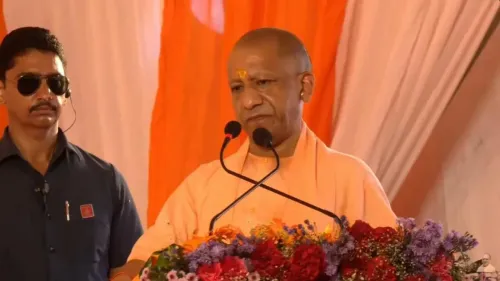
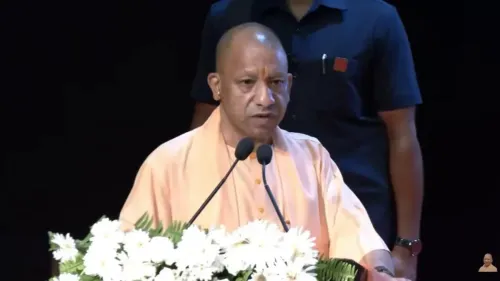
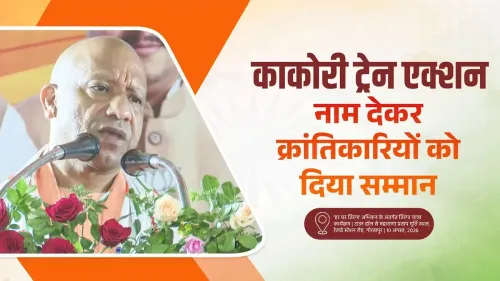
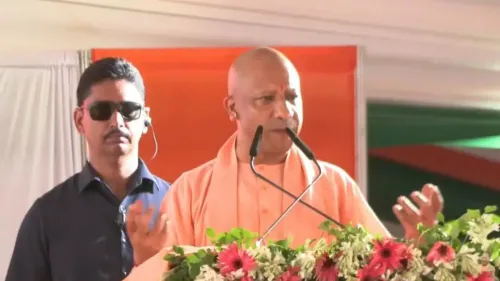
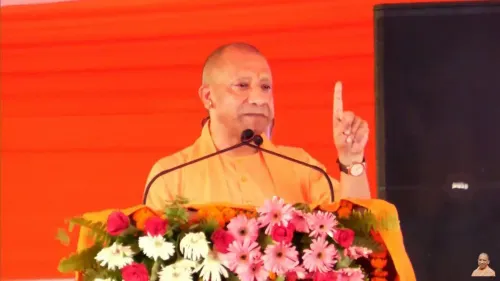
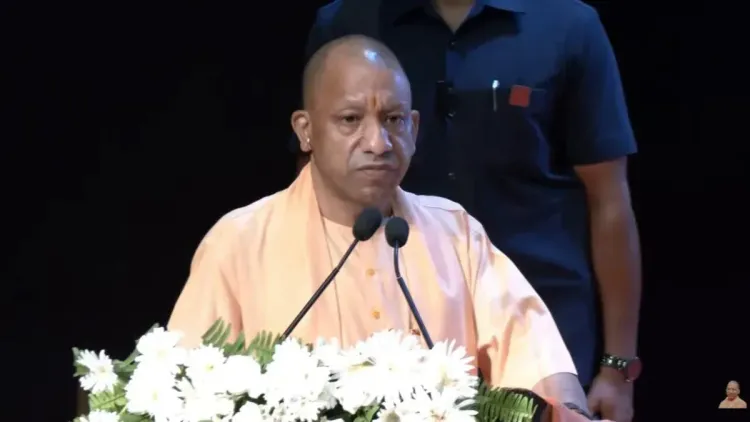
A pointed political charge landed on the eve of Independence Day: Uttar Pradesh Chief Minister Yogi Adityanath accused the Indian National Congress of being consumed by the scramble to divide up enemy properties among its own, rather than securing those assets for the nation.
Posting on X on Friday, 14 August 2026, CM Yogi wrote in Hindi: 'Kaangres shatroo sampatti mein bandarbant karne mein hi mashgool thi...' — 'Congress was busy only in dividing up enemy property among themselves.' The ellipsis is pointed: it frames a longer indictment, leaving the charge to hang in the air on the day before India marks its 80th Independence Day.
What is 'Enemy Property' — and why it keeps coming back
The phrase sounds archaic, but the stakes are concrete. The Enemy Property Act of 1968 vested properties left behind by individuals who migrated to Pakistan after 1947 in a government custodian — the Custodian of Enemy Property for India. Decades on, thousands of such properties remain scattered across states, with Uttar Pradesh holding one of the largest concentrations. The law sat largely dormant through successive governments, a fact BJP leaders have returned to repeatedly. The Enemy Property (Amendment and Validation) Act, 2017 — passed under the Narendra Modi government at the Centre — significantly tightened the regime: it expanded government powers to retain these assets and shut down most successor and legal-heir claims that had been clogging courts for years.BJP's long-running Congress audit on enemy assets
CM Yogi's post fits a well-worn but potent BJP political frame: casting Congress-era stewardship of enemy properties as negligent at best, corrupt at worst. The allegation of bandarbant — literally 'monkey-distribution', meaning a chaotic, self-serving carve-up — is a sharp colloquial jab, not a bureaucratic critique. State revenue departments and property claimants have been watching UP's own survey and vesting drives closely. Identifying, mapping, and monetising these properties has been a stated administrative priority, and the political messaging around it has sharpened ahead of key dates. The timing — a day before Independence Day — is unlikely to be accidental. Framing a Congress failure on a partition-era policy, on the eve of the nation's founding anniversary, is a calculated rhetorical move: it ties administrative grievance to patriotic memory. The question now is whether this post signals a fresh round of state-level action on enemy property identification and disposal in UP — or whether it is the opening salvo of a wider political campaign as the anniversary cycle begins.Point of View
Legible policy failure (or alleged failure) from the Congress era to draw a contrast with its own legislative record, in this case the 2017 Amendment Act. The Independence Day timing amplifies the charge by anchoring a partition-era grievance to national memory. It also keeps enemy property — a live administrative issue in UP — in the political spotlight, signalling to state bureaucracies that the issue carries top-level attention. Whether this translates into a fresh wave of property surveys or disposals in UP will be the real test of whether the post is policy signal or political posturing.
NationPress
14 Aug 2026
Frequently Asked Questions
What is enemy property in India?
Enemy property refers to assets left behind by individuals who migrated to Pakistan after the 1947 partition . Under the Enemy Property Act, 1968 , these properties were vested in the Custodian of Enemy Property for India and are managed by the central government.
What did CM Yogi Adityanath say about Congress and enemy property?
On 14 August 2026 , CM Yogi posted in Hindi accusing Congress of being consumed by dividing enemy properties among themselves, using the term bandarbant — a colloquial phrase for a chaotic, self-serving carve-up — rather than safeguarding those assets for the nation.
What is the Enemy Property Amendment Act 2017?
The Enemy Property (Amendment and Validation) Act, 2017 was passed under the Modi government to expand the state's powers to retain enemy properties and to bar most legal-heir and successor claims that had accumulated in courts over decades.
How many enemy properties are in Uttar Pradesh?
Uttar Pradesh holds one of the largest concentrations of enemy properties in India, though precise current figures are subject to ongoing state surveys and verification drives by revenue departments.
Why did Yogi Adityanath post about enemy property on Independence Day eve?
The timing appears deliberate: framing a Congress-era policy failure on a partition-linked issue — enemy property — on the eve of Independence Day ties an administrative grievance to national and historical memory, a recurring BJP rhetorical strategy.