CM Sawant Flags Off 46 Police Vehicles, Hands PSI Appointments
Synopsis
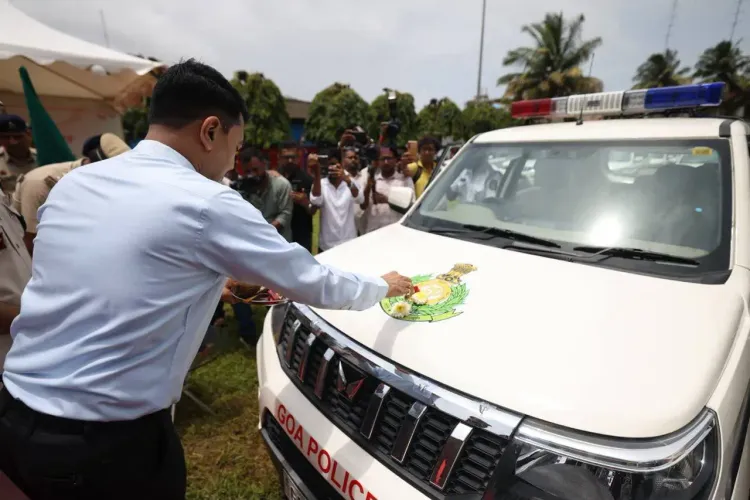
Goa CM Pramod Sawant flagged off 46 new P10 police vehicles for Traffic, Highway Patrol and District Stations, and handed appointment letters to new Sub-Inspectors recruited via SSC's computer-based, RFID-monitored process — a dual push to modernise the state's policing capacity.
Key Takeaways
46 P10 vehicles flagged off at Goa Police Headquarters, Panaji on 14 August 2026 , assigned to Traffic Police, Highway Patrol, District Police Stations and SPCR.
New Police Sub-Inspectors received appointment letters at the same ceremony, completing their induction into the Goa Police.
Recruitment was conducted through the Staff Selection Commission using computer-based tests, videography and RFID-based monitoring for transparency.
CM Sawant stated modern policing demands 'trained personnel, technology and reliable mobility' — framing both announcements as complementary pillars.
The event took place on the eve of Independence Day , underlining the state government's focus on public safety as a governance priority.
Goa's tourist-driven traffic load makes highway patrol capacity and district-level response times especially consequential for the state's economy and public safety.
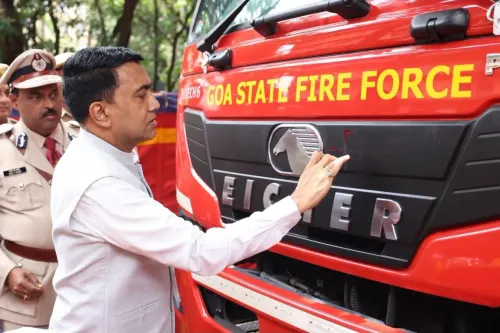
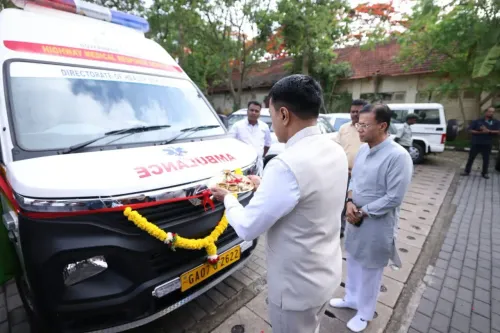
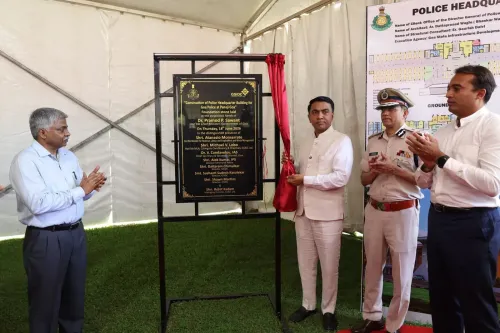
Forty-six new patrol vehicles rolled out of Goa Police Headquarters, Panaji, on 14 August 2026 — the eve of Independence Day — as Goa Chief Minister Pramod Sawant flagged off a fleet designed to sharpen the state's road safety and emergency response muscle. In the same ceremony, freshly recruited Police Sub-Inspectors received their appointment letters, marking a double reinforcement of the state's law-enforcement machinery.
P10 fleet hits Goa's highways, patrol units and district stations
The 46 P10 vehicles have been procured specifically for the Traffic Police, Highway Patrol, District Police Stations and the State Police Control Room (SPCR). The deployment targets Goa's unique pressure points — a small state that absorbs millions of tourists annually, generating disproportionate highway traffic and public-safety demands. Mobility gaps in district-level response have long been flagged as a constraint; this fleet directly addresses that.
CM Sawant framed the procurement in plain terms: 'Modern policing requires trained personnel, technology and reliable mobility.' The vehicles are intended to cut response times for field units and bolster highway patrol presence on routes that see heavy tourist and freight movement.
SSC-selected Sub-Inspectors join through tech-backed transparent process
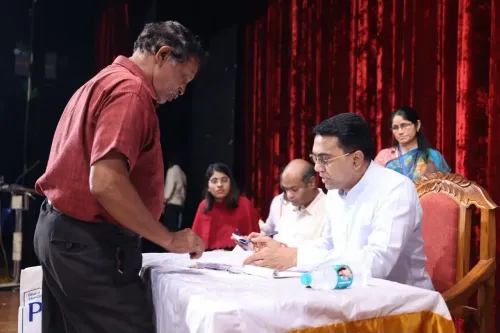
Alongside the fleet, the ceremony marked the formal induction of newly appointed Police Sub-Inspectors selected through the Staff Selection Commission. The recruitment process used computer-based tests, videography monitoring and RFID-based tracking — a multi-layer system designed to eliminate malpractice and ensure auditability at every stage.
The SSC's computer-based model has become the standard for transparent government recruitment across Indian states, and Goa's adoption of RFID-based monitoring adds an additional layer of accountability rarely seen at the sub-inspector level. Sawant congratulated the new officers and their families, urging them to 'serve Goa with courage, discipline, integrity and an unwavering commitment to public safety.'
Goa's policing push in a broader modernisation frame
Indian states have steadily scaled up specialised police vehicle procurement and technology-driven staffing to address persistent mobility and manpower shortfalls. For a tourist-intensive coastal state like Goa, the stakes are amplified — road safety statistics, response times and public perception of security directly affect the hospitality economy. The dual announcement of fleet and personnel on the eve of Independence Day carries deliberate symbolic weight: governance delivery timed to a national milestone.
What to watch next: state budget discussions on further fleet expansions and structured training modules for the new sub-inspectors will determine whether this injection translates into measurable shifts in traffic violation data and incident response times across the state.
Point of View
Combining visible infrastructure delivery with institutional reform in recruitment. For a BJP-governed state heading into periodic electoral cycles, demonstrating both spending on public safety and tamper-proof hiring processes addresses two distinct voter concerns simultaneously. The SSC's RFID and computer-based model also insulates the government from allegations of patronage in police appointments, a persistent vulnerability in state-level recruitment. If response-time and road-safety metrics improve post-deployment, the initiative could become a replicable template for other small, tourism-dependent states navigating similar policing gaps.
NationPress
14 Aug 2026
Frequently Asked Questions
Why did Goa CM Pramod Sawant flag off 46 new police vehicles?
CM Sawant flagged off 46 new P10 vehicles to strengthen the mobility and response capabilities of Goa's Traffic Police, Highway Patrol, District Police Stations and State Police Control Room, addressing longstanding gaps in field coverage.
What is a P10 police vehicle?
P10 refers to a category of police patrol vehicle procured for operational field use. In this context, the 46 P10 vehicles are assigned across Traffic, Highway Patrol and District Police units in Goa.
How were the new Goa Police Sub-Inspectors recruited?
The new Police Sub-Inspectors were selected through the Staff Selection Commission using a technology-enabled process that included computer-based tests, videography and RFID-based monitoring to ensure transparency.
Where did the Goa police vehicle flagging-off ceremony take place?
The event was held at Goa Police Headquarters in Panaji , the state capital, on 14 August 2026 .
What is the Staff Selection Commission's role in Goa Police recruitment?
The Staff Selection Commission (SSC) is a central government body that conducts competitive examinations for government posts. Goa used its computer-based testing framework to recruit the latest batch of Police Sub-Inspectors in a transparent, technology-monitored process.