Gujarat marks Partition Horrors Remembrance Day in Amreli
Synopsis
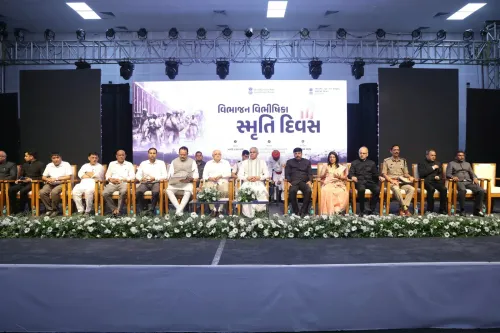
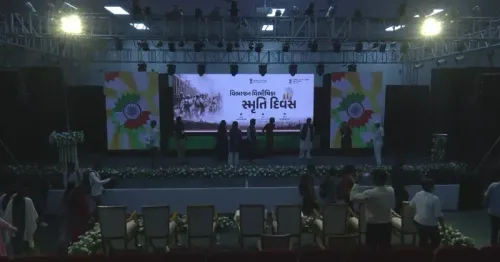
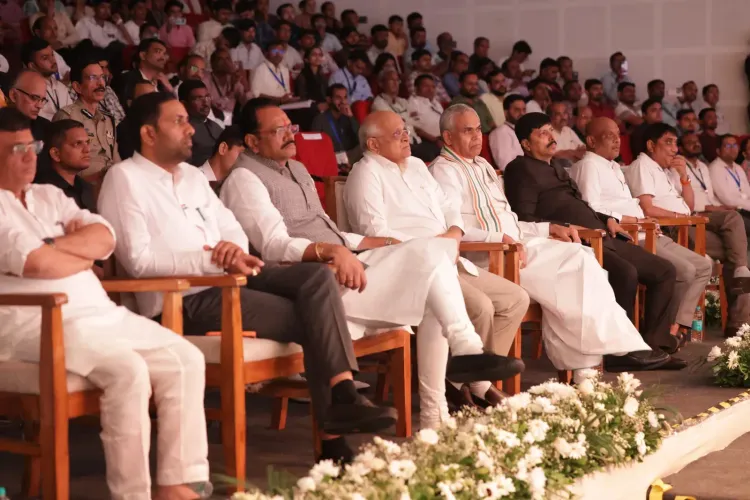
On 14 August 2026, Gujarat Governor Acharya Devvrat and Chief Minister Bhupendra Patel presided over Partition Horrors Remembrance Day in Amreli, honouring the suffering and sacrifice of millions displaced and killed during India's 1947 division.
Key Takeaways
Partition Horrors Remembrance Day was observed in Amreli, Gujarat on 14 August 2026 .
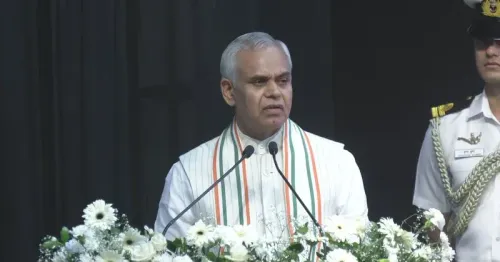
Governor Acharya Devvrat and Chief Minister Bhupendra Patel were present at the event.
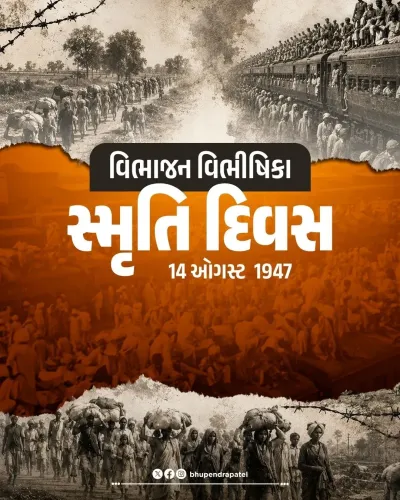
The day was designated by the Ministry of Home Affairs in 2021 to be observed annually on 14 August .
Saurashtra and broader Gujarat have historical ties to Partition-era migration from Sindh and Punjab .
Historians estimate up to 2 million deaths and between 10–20 million displacements during the 1947 Partition.
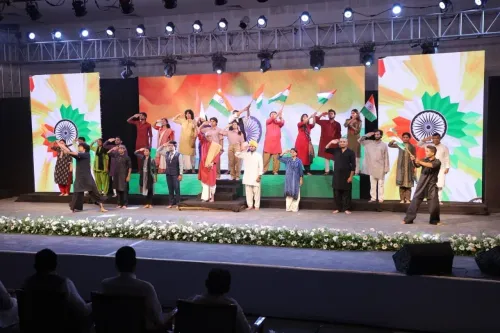
Seventy-nine years after the bloodiest border drawing in modern history, Gujarat paused to remember. On 14 August 2026, a solemn commemoration of Partition Horrors Remembrance Day was held in Amreli, honouring the unbearable suffering, anguish, and sacrifice borne by millions of ordinary citizens during India's 1947 division — with Governor Acharya Devvrat and Chief Minister Bhupendra Patel lending the occasion its constitutional weight.
What Amreli remembered on 14 August
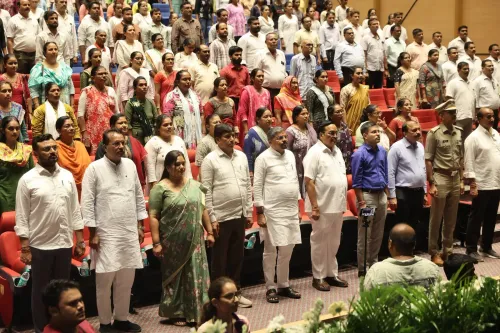
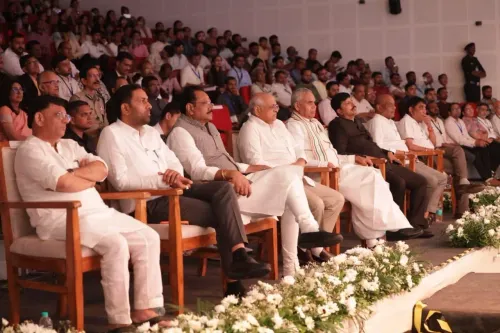
The programme, organised in the presence of the state's two highest constitutional functionaries, centred on the lived horror of Partition — the forced displacement, the communal carnage, and the irreversible losses that accompanied the creation of India and Pakistan. The Gujarati-language post from the Chief Minister's Office of Gujarat described the event as a remembrance of 'asahya sangharsh, yatanaao ane balidanoni smruti' — the unbearable struggle, torments, and sacrifices endured by citizens during the country's division.
A national directive, a Saurashtra story
The day itself carries official weight. In 2021, the Ministry of Home Affairs designated 14 August as Partition Horrors Remembrance Day, directing annual observances to keep alive the memory of one of history's largest forced migrations. The choice of Amreli — in the Saurashtra region — is not incidental. Gujarat carries a deep, personal thread to the Partition story: significant communities from Sindh and parts of Punjab were uprooted and resettled across the state, leaving a generational imprint on families whose roots now straddle two nations.
Governor Acharya Devvrat, who has led Gujarat's Raj Bhavan since July 2019 and is associated with Arya Samaj educational traditions, and Chief Minister Bhupendra Patel, who has headed the state government since September 2021, together represented the full dignity of the state at the event. Their joint presence signals the seriousness with which Gujarat's administration treats this annual act of collective memory.
Why this moment still matters
Partition was not a statistic. Historians estimate that between 10 and 20 million people were displaced and up to two million killed in the violence that accompanied the 1947 division — making it one of the largest forced migrations in recorded history. As the generation with living memory of those events dwindles, state-level commemorations like Amreli's serve a distinct purpose: to anchor that trauma in civic consciousness before it slips entirely into textbooks.
As long as families still carry the weight of 1947 in their surnames, their dialects, and their silences, days like this are less ceremony than obligation.
Point of View
In Saurashtra, grounds the observance in regional memory rather than abstract history, lending it grassroots authenticity. The presence of both the Governor and Chief Minister elevates it beyond routine ceremony, signalling political investment in keeping this narrative prominent. As debates over curriculum and memorialisation continue nationally, these state-level events quietly shape how the next generation understands independence.
NationPress
29 Sept 2026
Frequently Asked Questions
What is Partition Horrors Remembrance Day?
Partition Horrors Remembrance Day is observed on 14 August every year to honour the suffering, displacement, and sacrifice of millions of people during the 1947 division of British India into India and Pakistan. It was designated by India's Ministry of Home Affairs in 2021 .
Why was the Partition Horrors Remembrance Day event held in Amreli?
Amreli , in Gujarat's Saurashtra region, was the venue for the 2026 state-level commemoration. Gujarat has deep historical ties to Partition-era migration, particularly from Sindh , making it a meaningful location for such observances.
Who attended the Partition Horrors Remembrance Day event in Amreli?
Governor Acharya Devvrat and Chief Minister Bhupendra Patel were present at the event in Amreli on 14 August 2026 , representing Gujarat's highest constitutional and executive offices.
Who is Acharya Devvrat?
Acharya Devvrat has served as the Governor of Gujarat since July 2019 . He is associated with the Arya Samaj movement and educational initiatives.
How many people were affected by the Partition of India in 1947?
Historians estimate that between 10 and 20 million people were displaced and up to 2 million were killed in the communal violence that accompanied the 1947 Partition of British India into India and Pakistan.