Gujarat CM Pays Tribute on Partition Horrors Remembrance Day
Synopsis
On Partition Horrors Remembrance Day, 14 August 2026, Gujarat's Chief Minister and Governor honoured families displaced by the 1947 partition, reaffirmed PM Modi's 2021 observance, and called on citizens to channel historical memory into national unity and India's development.
Key Takeaways
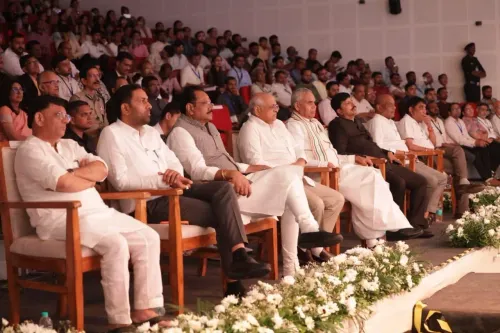
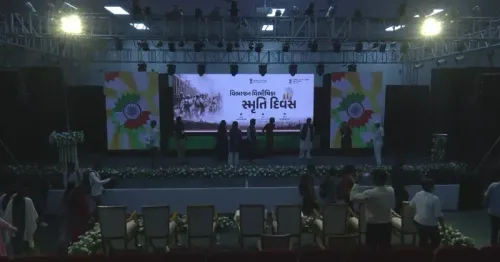
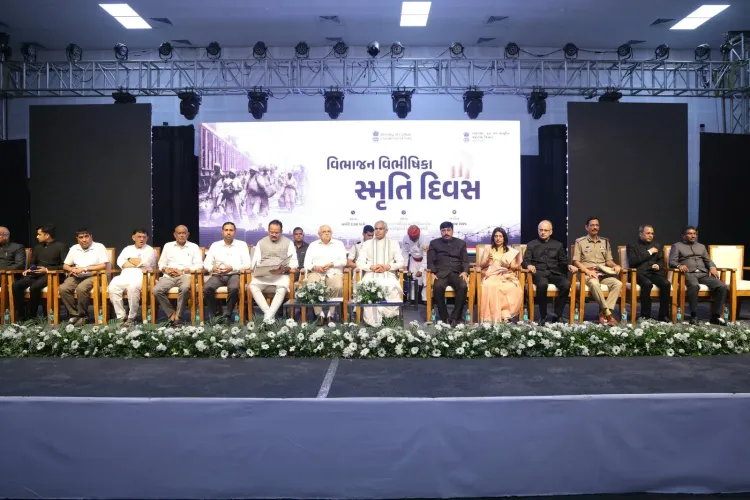
Gujarat's Chief Minister and Governor addressed a state-level event marking Vibhajan Vibhishika Smriti Divas on 14 August 2026 .
The Governor paid tribute to partition-displaced families who rebuilt their lives from nothing and contributed to post-independence India.
PM Narendra Modi established 14 August as Partition Horrors Remembrance Day in 2021 , a tradition Gujarat observes annually.
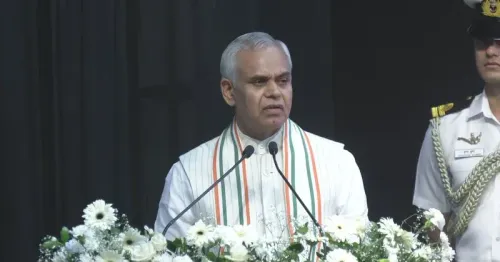
The Chief Minister called remembering history, sacrifice, and martyrdom 'the true foundation of a strong future for any society or nation.' The address concluded with an appeal to contribute to Viksit Bharat , linking historical memory to contemporary nation-building.
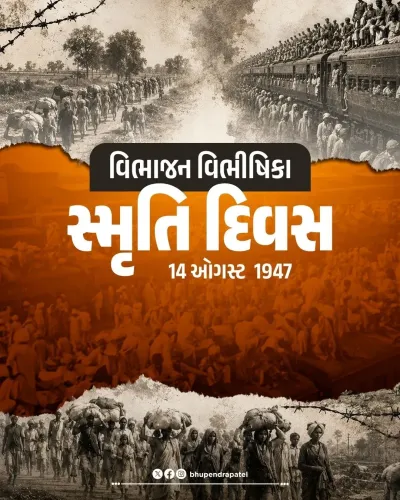
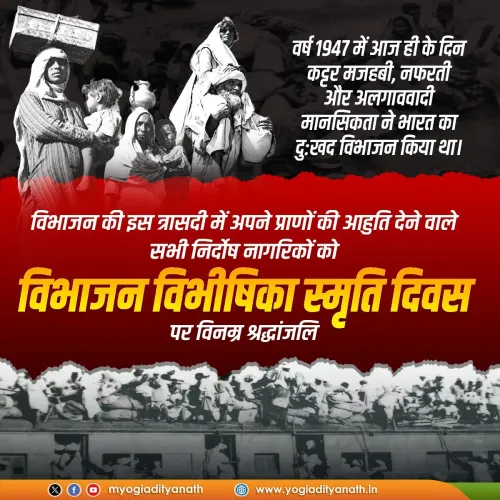
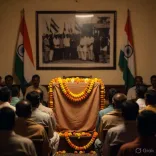
Seventy-nine years after one of history's most traumatic mass migrations, Gujarat's Chief Minister stood to honour the displaced families who built new lives from nothing — and called on every Indian to carry that memory forward as the foundation of national unity. The Chief Minister's Office of Gujarat shared the address on 14 August 2026, marking Vibhajan Vibhishika Smriti Divas (Partition Horrors Remembrance Day).
Saluting those who built from zero
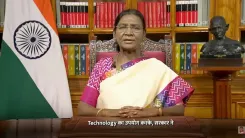
The state's Governor, speaking at the event, paid homage to the displaced families who confronted the horrors of 1947 partition and, starting from nothing, contributed to independent India's growth through sheer labour. The Chief Minister echoed that tribute, describing the partition as a price India paid in blood for its freedom — one that must never be forgotten.
In the Chief Minister's words: 'Itihas, tyag ane balidanane yaad rakhvu e samaj ke rashtrna mazboot bhavisyano sacho payo chhe' — 'Remembering history, sacrifice and martyrdom is the true foundation of a strong future for any society or nation.'
Modi's 2021 declaration and its annual weight
Prime Minister Narendra Modi instituted 14 August as Vibhajan Vibhishika Smriti Divas in 2021, directing the nation to observe the day immediately before Independence Day as a formal act of remembrance for partition victims. The Gujarat government's observance this year is part of that continuing national framework, weaving state-level ceremonies into the broader official calendar of remembrance.
The Chief Minister urged those present to draw a lesson from partition's pain: resolve, concretely and publicly, to protect the unity and integrity of the nation. The appeal was framed not as retrospective grief but as a living civic commitment.
From historical memory to Viksit Bharat
The address closed with a forward turn. The Chief Minister invoked India's ongoing development journey and called on the audience to contribute to the building of a Viksit Bharat — a Developed India — treating the sacrifices of the partition generation as the moral capital that funds today's ambitions. Memory, in this framing, is not a burden but a mandate.
Point of View
The Chief Minister's address does double duty: moral tribute and forward-looking mobilisation. The annual repetition of this observance at state level signals that August 14 is being cemented into India's official commemorative calendar in much the same way that other post-2014 national days have been. Whether that institutionalisation deepens public engagement with partition history or remains a ceremonial fixture will be the real test over the next decade.
NationPress
14 Aug 2026
Frequently Asked Questions
What is Vibhajan Vibhishika Smriti Divas?
Vibhajan Vibhishika Smriti Divas, or Partition Horrors Remembrance Day, is observed on 14 August every year. Prime Minister Narendra Modi declared the day in 2021 to honour the millions displaced and killed during the 1947 partition of British India.
Why is 14 August chosen for Partition Remembrance Day and not 15 August?
14 August is the day Pakistan gained independence in 1947, and the partition violence peaked around this period. Observing remembrance on 14 August — the day before India's Independence Day on 15 August — keeps the trauma and the celebration in deliberate proximity, reminding citizens of the price paid for freedom.
What did Gujarat's Chief Minister say on Partition Remembrance Day 2026?
The Chief Minister said that remembering history, sacrifice, and martyrdom is 'the true foundation of a strong future for any society or nation.' He also called on citizens to contribute to building a Viksit Bharat (Developed India) in honour of the partition generation's sacrifices.
Who instituted Partition Horrors Remembrance Day in India?
Prime Minister Narendra Modi instituted the observance in 2021 , directing that 14 August be marked annually as a day of remembrance for those who suffered during the 1947 partition.
How does Gujarat observe Vibhajan Vibhishika Smriti Divas?
Gujarat holds state-level events where senior officials including the Governor and Chief Minister address gatherings, pay tribute to displaced families, and appeal for national unity. The Chief Minister's Office shares proceedings on official social media channels.