CM Yogi Slams SP Era: Fatehpur Funds Spent on Saifai Events
Synopsis
Chief Minister Yogi Adityanath alleged on 25 July 2026 that development funds allocated for Fatehpur district were spent on entertainment events in Saifai during the Samajwadi Party government of 2012–2017, renewing a long-running BJP critique of family-centric spending under previous UP administrations.
Key Takeaways
CM Yogi Adityanath posted on 25 July 2026 alleging that Fatehpur district's scheme funds were diverted to entertainment events in Saifai .
The allegation targets the Samajwadi Party government of 2012–2017 , led by the Yadav political family whose ancestral village is Saifai in Etawah district.
Saifai events, including the annual Saifai Mahotsav , had drawn criticism during the SP era over their cost and alleged impact on district budgets.
The statement is part of a sustained BJP governance-accountability narrative contrasting present and past administrations in Uttar Pradesh .
No specific scheme names or rupee amounts were cited in the post; district-level audit reports could provide further verification.
The Samajwadi Party had previously denied that cultural events drew from district development allocations.
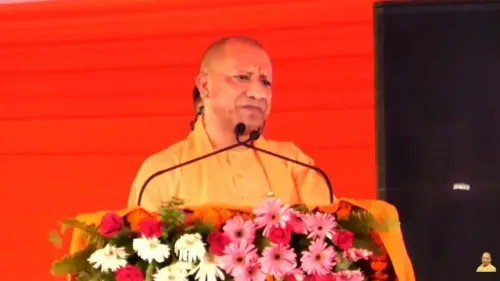
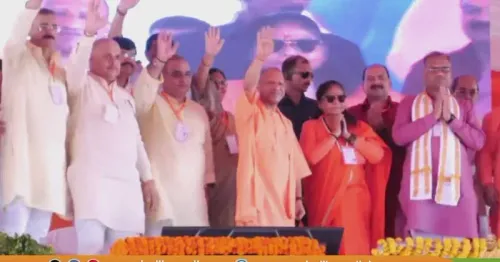
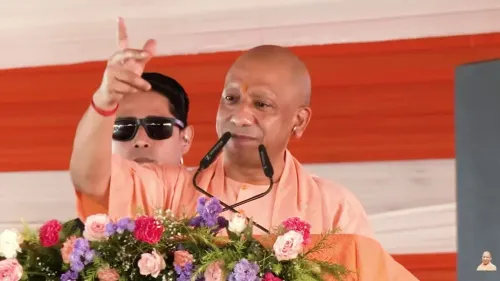
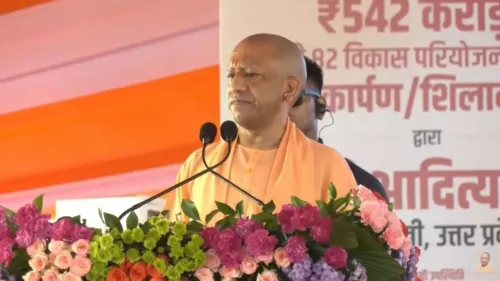
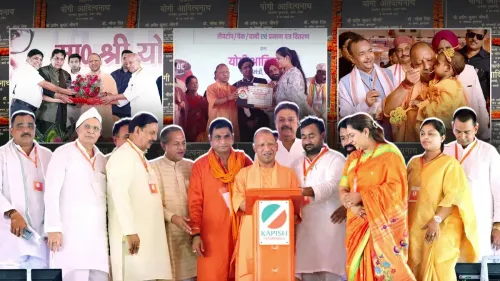
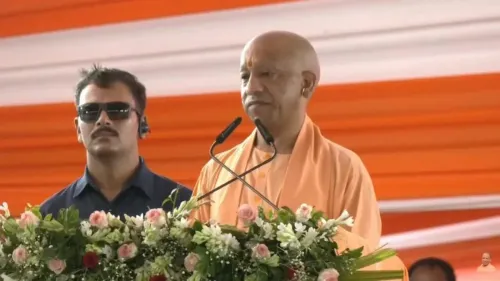
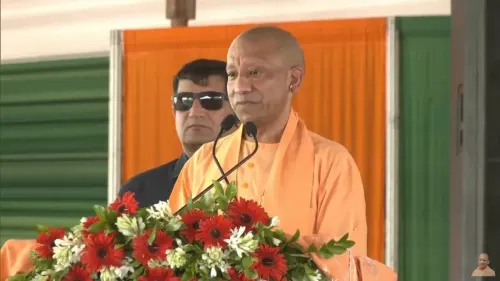
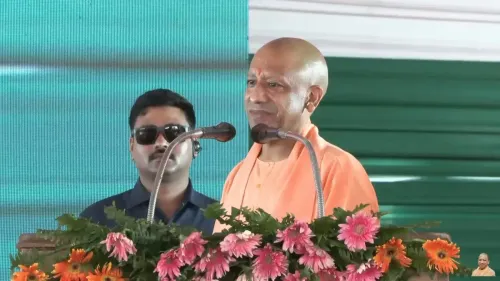
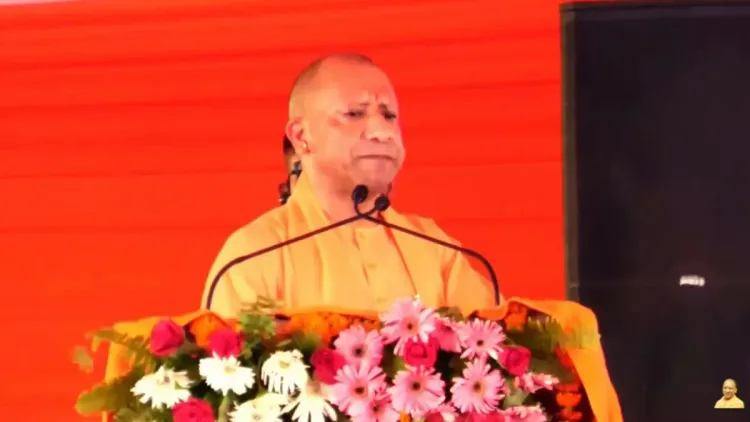
Uttar Pradesh Chief Minister Yogi Adityanath on Saturday, 25 July 2026, sharply criticised the previous Samajwadi Party government, alleging that development funds earmarked for Fatehpur district were diverted to finance entertainment events in Saifai, the village in Etawah district closely associated with the Yadav political family.
In his post, CM Yogi stated: 'Fatehpur ki yojanaon ka paisa Saifai mein naach-gaanon par kharch kar diya jaata tha' — meaning, 'The money meant for Fatehpur's schemes used to be spent on song-and-dance programmes in Saifai.' The remark is a pointed reference to the Samajwadi Party government of 2012–2017, during which lavish cultural events held in Saifai drew sustained criticism over their cost and optics.
Context
Saifai is the ancestral village of Mulayam Singh Yadav, founder of the Samajwadi Party and a multiple-term Chief Minister of Uttar Pradesh. During the SP's tenure from 2012 to 2017, the village became synonymous with large-scale public events — including the annual Saifai Mahotsav — that critics alleged were funded at the expense of district development allocations. Multiple districts, including Fatehpur, were cited in public discourse over concerns that local scheme budgets were not fully utilised for their intended beneficiaries.
CM Yogi's statement situates Fatehpur explicitly within this narrative, asserting that residents of the district were deprived of scheme benefits due to this alleged diversion.
Policy Backdrop
Since the BJP came to power in Uttar Pradesh in 2017, the Yogi administration has consistently emphasised uniform delivery of government schemes across all districts as a counter-narrative to what it characterises as the 'VIP-centric' and 'family-centric' governance of predecessor governments. The Chief Minister has made similar allegations on multiple public platforms, framing the contrast between past and present as a governance accountability issue.
District-level fund utilisation and scheme implementation have been central planks of the current government's messaging, with regular reviews of expenditure under central and state flagship programmes cited as evidence of a course correction.
Stakeholders and Impact
The most direct stakeholders are residents of Fatehpur — a district in the Bundelkhand fringe region of Uttar Pradesh — who were intended beneficiaries of the schemes in question. If the alleged diversion occurred at the scale suggested, communities dependent on rural infrastructure, welfare transfers, and public works would have faced delayed or reduced benefits during the 2012–2017 period.
The Samajwadi Party, now in opposition, has not yet responded publicly to this specific post. Opposition leaders have in the past contested such characterisations, arguing that the Saifai Mahotsav was funded through separate cultural budgets and did not draw from district development allocations.
What's Next
The statement is likely to intensify calls from civil society and opposition groups for the release of district-wise fund utilisation reports covering the 2012–2017 period, which could either substantiate or challenge the Chief Minister's claim. With Uttar Pradesh remaining the most electorally significant state in India, such exchanges between the ruling BJP and the Samajwadi Party are expected to intensify as both parties position themselves ahead of future electoral cycles. Audit disclosures or Right to Information filings on scheme expenditure in Fatehpur during that period could bring greater specificity to this political debate.
Point of View
Named district to a well-established critique of the Samajwadi Party's governance record without requiring elaborate elaboration. The Saifai narrative has been part of BJP's UP playbook since 2017, but its continued deployment in 2026 suggests the party sees residual electoral value in keeping the contrast alive. By naming Fatehpur specifically, the Chief Minister may be targeting a constituency-level audience, signalling that local grievances from the SP era have not been forgotten. The absence of specific figures or scheme names, however, leaves the claim open to challenge and underscores the need for verifiable audit data to move the debate from political rhetoric to policy accountability.
NationPress
25 Jul 2026
Frequently Asked Questions
What did CM Yogi say about Fatehpur and Saifai?
CM Yogi Adityanath alleged on 25 July 2026 that funds allocated for development schemes in Fatehpur district were spent on song-and-dance entertainment events in Saifai during the Samajwadi Party government of 2012–2017.
What is Saifai and why is it politically significant?
Saifai is a village in Etawah district, Uttar Pradesh, and the ancestral home of the Yadav political family, including Samajwadi Party founder Mulayam Singh Yadav. It became politically controversial due to large-scale events held there during the SP's tenure in government.
What was the Saifai Mahotsav controversy?
The Saifai Mahotsav was an annual cultural festival held in Saifai during the Samajwadi Party government of 2012–2017. Critics alleged it was funded at the expense of district development budgets, though the SP maintained it was financed through separate cultural allocations.
Is Fatehpur a backward district in Uttar Pradesh?
Fatehpur is a district in the Bundelkhand fringe region of Uttar Pradesh, an area historically associated with agrarian distress and infrastructure deficits, making the alleged diversion of its scheme funds a particularly pointed political charge.
What has the Yogi government done differently on fund utilisation?
Since 2017, the Yogi Adityanath administration has emphasised uniform district-level delivery of central and state schemes, conducting regular expenditure reviews as part of its governance-accountability narrative against what it calls the family-centric spending patterns of previous governments.