CM Yogi Spotlights Van Tangiya Community's Long Exclusion
Synopsis
Chief Minister Yogi Adityanath has drawn attention to the Van Tangiya, a forest-dwelling community in eastern Uttar Pradesh historically denied all basic facilities, declaring them an integral part of society and signalling continued state focus on their welfare.
Key Takeaways
CM Yogi Adityanath publicly acknowledged the Van Tangiya community's long exclusion from basic infrastructure and welfare facilities.
The Van Tangiya are descendants of colonial-era forest labourers whose settlements fall inside protected forest land in eastern Uttar Pradesh .
Their legal limbo historically barred them from voter IDs, ration cards, schools, health posts, and paved roads.
Key affected districts include Gorakhpur , Maharajganj , and Basti in the eastern belt of UP.
Yogi Adityanath framed their inclusion as a matter of social belonging, not merely a welfare target — signalling continued policy attention.
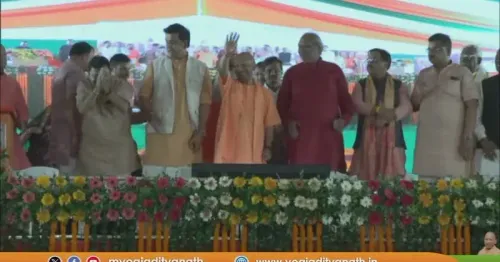
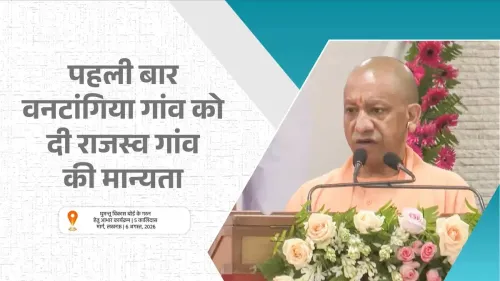
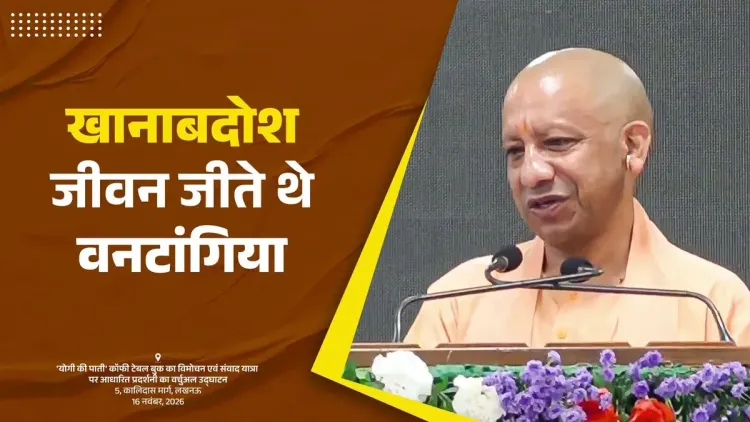
For decades, an entire forest-dwelling community lived on the edges of Uttar Pradesh — without roads, schools, or even a formal address. Chief Minister Yogi Adityanath, speaking on Monday, November 16, 2026, brought that invisible margin into plain sight, declaring that the Van Tangiya people are an inseparable part of Indian society and can no longer be left behind.
The Chief Minister's Office of Uttar Pradesh shared his words on X: 'Aapme se bahut se log aise honge, jinhone Vantangiya ka naam pehli baar suna hoga, lekin ye log bhi hamare hi samaj ka hissa hain. Pehle unhe kisi bhi prakar ki aadhaarbhoot suvidhayen uplabdh nahi thin.' — 'Many of you may be hearing the name Van Tangiya for the first time, but these people are also a part of our own society. Earlier, no basic facilities of any kind were available to them.'
Who Are the Van Tangiya — and Why Were They Invisible?
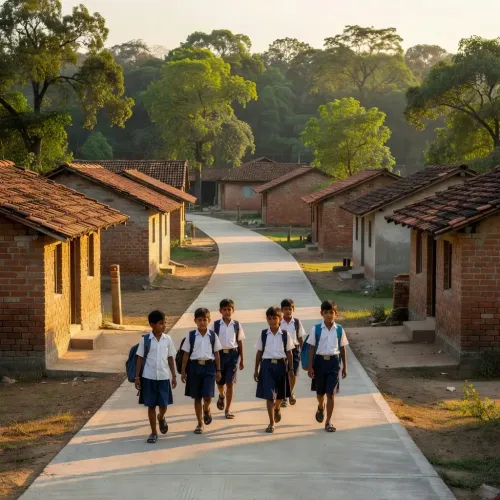
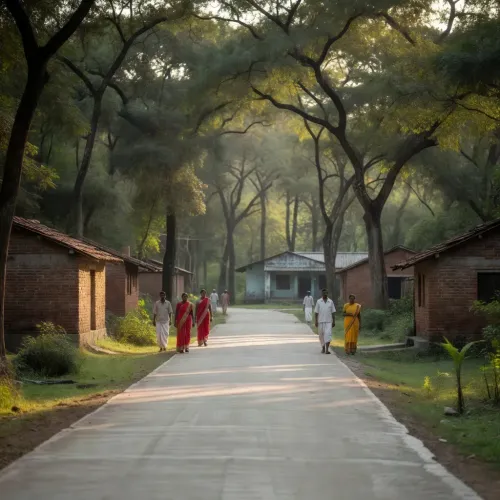
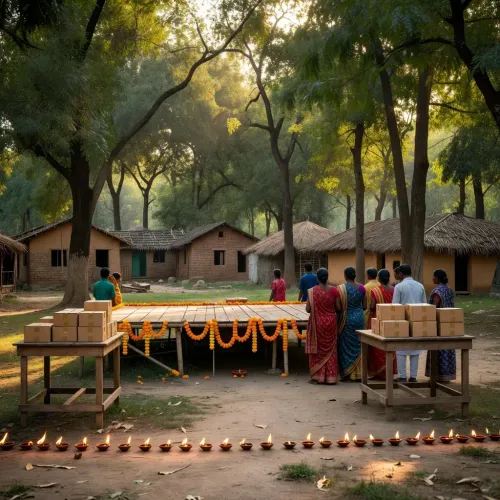
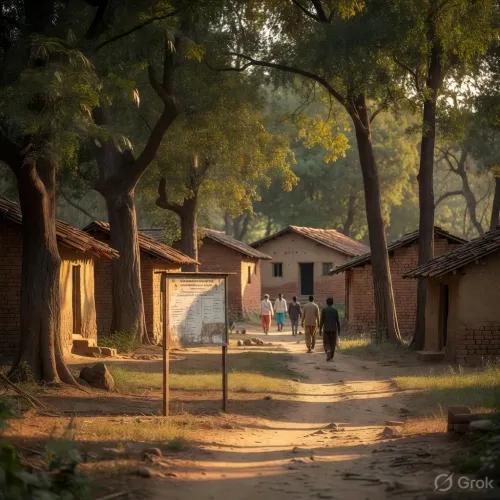
The Van Tangiya (also written Vantangiya or Vantangia) are descendants of labourers brought to the forests of eastern Uttar Pradesh during the British colonial era to plant and tend government teak plantations under a technique called taungya — growing crops between young trees to maintain clearings. When the forests were nationalised, their settlements fell inside protected forest land, leaving them in a legal grey zone: neither classified as scheduled tribes with formal rights, nor recognised as regular village residents eligible for government schemes. For generations, they had no voter ID, no ration cards, no access to schools or health posts, and no paved roads into their hamlets.The Shift Toward Recognition
Uttar Pradesh has periodically pushed measures to extend basic infrastructure and legal recognition to the Van Tangiya settlements — particularly in districts such as Gorakhpur, Maharajganj, and Basti in the state's eastern belt. Yogi Adityanath, who has represented the Gorakhpur region for years before becoming Chief Minister in 2017, has publicly cited the community's condition as a benchmark for how the state treats its most excluded citizens. Granting gram sabha status to Van Tangiya villages, connecting them to electricity grids, and routing welfare schemes directly to their households have been reported as part of that effort.What CM Yogi's Statement Signals Now
Public statements of this kind from a sitting Chief Minister carry policy weight — they set an expectation of accountability and often precede specific announcements. By framing the Van Tangiya not as a welfare 'target group' but as members of hamare hi samaj — 'our own society' — Yogi Adityanath is making a moral and political argument simultaneously: that exclusion from basic facilities is not a bureaucratic oversight but a wrong to be corrected. Whether fresh infrastructure commitments, land-rights measures, or scheme extensions follow will be the real test of that framing. The forests of eastern UP have been home to the Van Tangiya for over a century. The question now is whether this generation finally gets an address the state can find.Point of View
Positioning the community as part of 'our society' rather than a welfare statistic, is a deliberate rhetorical move that raises the political cost of inaction. It also signals that the forest-dwelling communities of eastern UP — long neglected across political regimes — are being repositioned as visible constituents rather than administrative footnotes. Whether this translates into durable land-rights reform or remains in the realm of infrastructure gestures will define its long-term policy legacy.
NationPress
16 Nov 2026
Frequently Asked Questions
Who are the Van Tangiya people of Uttar Pradesh?
The Van Tangiya are descendants of labourers settled in eastern Uttar Pradesh's forests during the British era to tend government teak plantations using the taungya farming technique. Because their villages lie inside forest land, they were historically excluded from legal recognition and basic government services.
Why did Van Tangiya communities lack basic facilities?
Their settlements fall within protected forest boundaries, placing them in a legal grey zone where they were neither recognised as tribal communities with formal land rights nor as regular village residents eligible for government welfare schemes, leaving them without voter IDs, ration cards, schools, or roads for generations.
What has Yogi Adityanath done for the Van Tangiya community?
Since becoming Chief Minister in 2017, Yogi Adityanath has cited the Van Tangiya condition publicly and the UP government has reported efforts including gram sabha recognition for their villages, electricity connections, and routing welfare schemes to their hamlets, particularly in Gorakhpur and surrounding districts.
Which districts in UP have Van Tangiya settlements?
Van Tangiya communities are concentrated in the eastern Uttar Pradesh districts of Gorakhpur, Maharajganj, and Basti, areas historically associated with colonial-era government teak and forest plantations.
What did CM Yogi say about Van Tangiya on November 16 2026?
CM Yogi stated that many people may be hearing the name Van Tangiya for the first time, but that these people are part of our own society and that earlier they had no basic facilities of any kind — framing their inclusion as a social and moral imperative.