CM Yogi targets Delhi leader, cites corruption in UP campaign
Synopsis
Uttar Pradesh Chief Minister Yogi Adityanath on 26 June 2026 publicly accused a visiting Delhi political leader of having given the national capital nothing but ruin and corruption, sharpening BJP's anti-opposition campaign rhetoric in Uttar Pradesh.
Key Takeaways
Yogi Adityanath posted a sharp attack on a Delhi opposition leader visiting Uttar Pradesh on 26 June 2026 .
He used the sarcastic term sajjan (gentleman) to describe the visitor, accusing him of delivering only 'ruin and corruption' to Delhi .
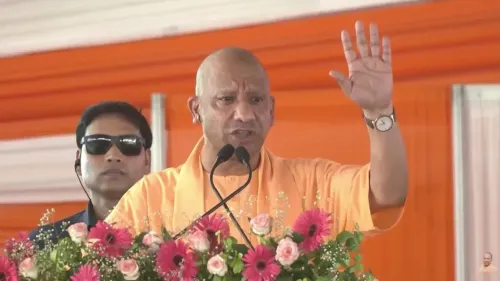
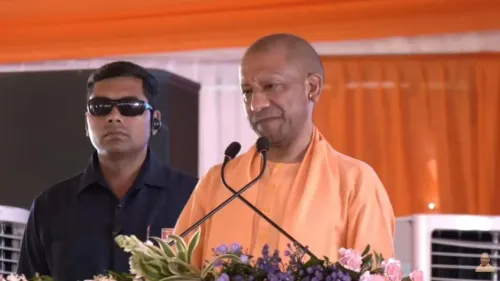
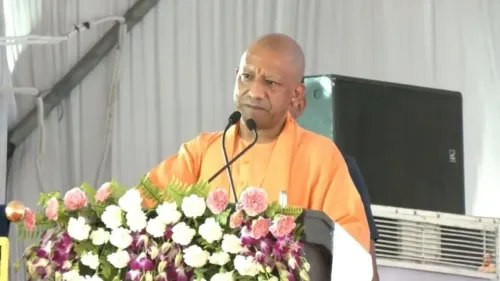
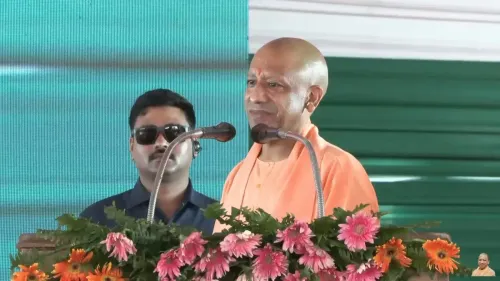
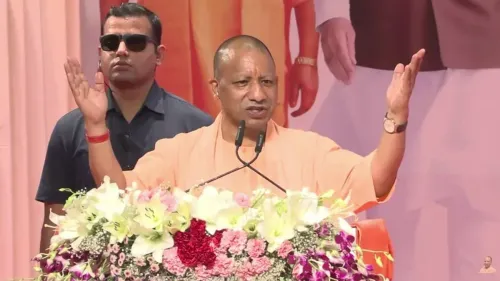
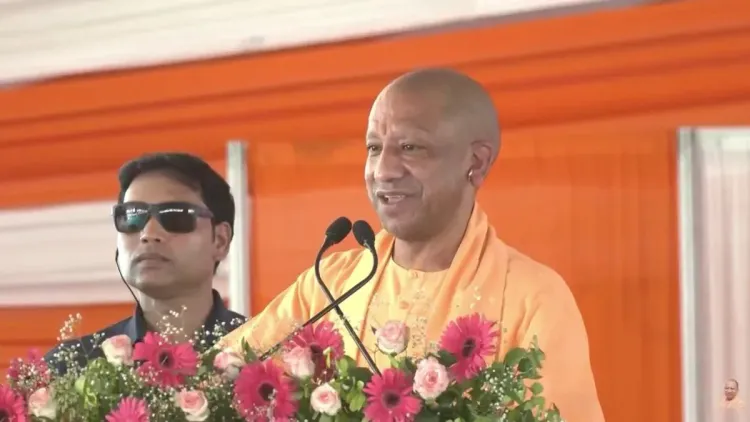
The post was accompanied by a video, suggesting the remarks were made at a public campaign event.
BJP 's strategy of contrasting UP governance with opposition-ruled Delhi has been a consistent feature since 2017 .
The statement is aimed at neutralising opposition outreach in Uttar Pradesh ahead of the next state assembly elections.
Uttar Pradesh Chief Minister Yogi Adityanath on Friday, 26 June 2026, publicly attacked a visiting political figure from Delhi, accusing him of having delivered nothing to the national capital except ruin and corruption. The remarks, made in what appears to be an election-campaign setting in Uttar Pradesh, signal a sharp escalation in inter-party rhetoric between the BJP-led state government and Delhi-based opposition leadership.
Context
In his post on X, Yogi Adityanath wrote: 'Dilli se bhi ek 'sajjan' yahaan aaye hain. Dilli ko unhone barbaadi aur bhrashtachar ke sivaay kuch nahin diya…' — translated: 'A so-called 'gentleman' has also come here from Delhi. He gave Delhi nothing but ruin and corruption…' The use of the word sajjan (gentleman) in sarcastic quotation marks is a pointed rhetorical device, indicating the target is a prominent opposition figure from the national capital who has campaigned or arrived in Uttar Pradesh.
The post was accompanied by a video, suggesting the remarks may have been delivered at a public rally or press interaction. Yogi Adityanath has a long record of using social media to amplify campaign-trail statements, particularly those targeting opposition-governed states.
Policy Backdrop
Since assuming office in 2017, Yogi Adityanath has consistently framed Uttar Pradesh's governance record as a contrast to what he describes as misrule in opposition-controlled states, with Delhi frequently cited as a reference point. The BJP's broader political strategy has long involved spotlighting administrative controversies in non-BJP states to consolidate its voter base in Uttar Pradesh, India's most populous state.
The Delhi government, administered by the Aam Aadmi Party, has faced a series of political and legal controversies in recent years, including corruption allegations that became central to national political discourse. BJP leaders across the country have repeatedly invoked these controversies on the campaign trail.
Stakeholders and Impact
Uttar Pradesh voters, particularly in constituencies where the visiting Delhi leader may be campaigning, are the immediate audience for these remarks. The statement is designed to pre-empt any political traction the opposition figure might gain by associating him with governance failures in Delhi rather than allowing him to set the agenda in UP.
Opposition parties are likely to respond by challenging the CM's characterisation and pointing to their own governance record. Such exchanges are a routine feature of competitive Indian electoral politics, where leaders from rival states frequently campaign against each other across state boundaries.
What's Next
Responses from Delhi government leaders and the opposition camp are expected to follow swiftly, given the direct and public nature of Yogi Adityanath's attack. Political observers will watch whether the visiting Delhi leader directly engages with the CM's charges or pivots to local issues. As Uttar Pradesh moves closer to its next assembly election cycle, such exchanges are likely to intensify, with both sides seeking to define the governance narrative for voters across the state.
Point of View
The CM seeks to inoculate UP voters against the opposition's campaign message before it gains momentum. The sarcastic framing of 'sajjan' signals this is not a defensive response but an offensive political manoeuvre. As UP's election cycle approaches, such pre-emptive rhetorical strikes are likely to become more frequent and sharper in tone.
NationPress
26 Jun 2026
Frequently Asked Questions
What did CM Yogi Adityanath say about the Delhi leader?
CM Yogi Adityanath sarcastically called the visiting Delhi leader a 'gentleman' and accused him of having given Delhi nothing but ruin and corruption, in a post on X on 26 June 2026.
Who is the Delhi leader CM Yogi was referring to?
CM Yogi did not name the individual in the post, referring only to a 'sajjan' (gentleman) who had come from Delhi to Uttar Pradesh. The specific identity has not been confirmed in available information.
Why is CM Yogi attacking Delhi's governance record in Uttar Pradesh?
BJP has consistently used Delhi's administrative controversies to contrast its own governance record in Uttar Pradesh, particularly as part of its campaign strategy ahead of state elections.
What is the political significance of this statement?
The statement signals BJP's intent to pre-empt opposition outreach in Uttar Pradesh by tying visiting Delhi leaders to governance failures in their home state, a well-established tactic in Indian electoral politics.
What happens next after CM Yogi's attack on the Delhi leader?
Political observers expect a response from Delhi government leaders and the opposition camp, with the exchange likely to intensify as Uttar Pradesh's next assembly election cycle draws closer.