CM Yogi Targets Opposition Over 'Slave Mentality' and Power Hunger
Synopsis
Uttar Pradesh Chief Minister Yogi Adityanath on 18 July 2026 accused unnamed opposition figures of living with a 'slave mentality' and seeking power at the nation's expense, amplifying a BJP rhetorical line that has defined Indian political discourse since 2014.
Key Takeaways
Yogi Adityanath posted a sharp political attack on 18 July 2026 , accusing unnamed opponents of a 'slave mentality' ( गुलामी की मानसिकता ).
He charged that the targets 'have nothing to do with heritage' and want 'power at the cost of the country.' The post included a video, suggesting the remarks originated in a speech or public address.
The 'slave mentality' framing has been a cornerstone of BJP political messaging since at least the 2014 general election.
The unnamed target of the pronoun 'they' ( वे ) was not specified in the post.
Uttar Pradesh remains a critical electoral battleground where such cultural-nationalist rhetoric has proven consistently effective for the BJP .
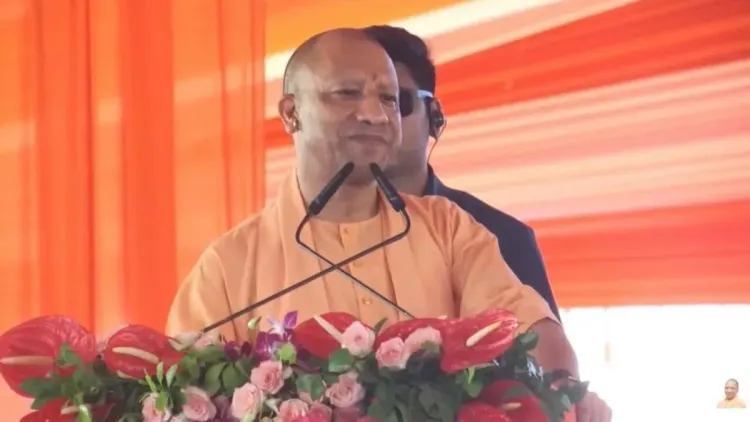
Uttar Pradesh Chief Minister Yogi Adityanath on Saturday, 18 July 2026, launched a sharp political broadside against unnamed opposition leaders, accusing them of harbouring a colonial mindset and prioritising power over national interest. The remarks, delivered in Hindi and shared on his official X account, reflect a line of attack that has become central to BJP political messaging since at least 2014.
Context
Yogi Adityanath posted: 'वे' गुलामी की मानसिकता में जीने वाले लोग हैं, उनको विरासत से कोई लेना-देना नहीं। उनको देश की कीमत पर सत्ता चाहिए... — translated as: 'They are people who live with a slave mentality; they have nothing to do with heritage. They want power at the cost of the country.' The pronoun 'वे' (they) is unspecified in the post, though the framing is consistent with BJP rhetoric directed at the principal national opposition.
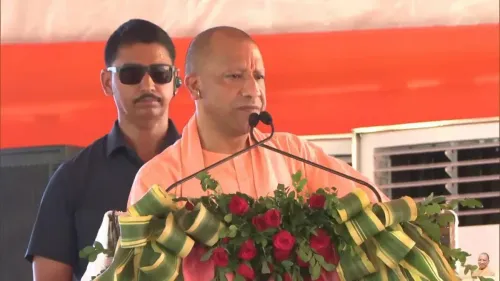
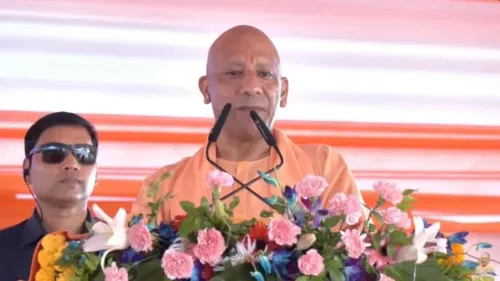
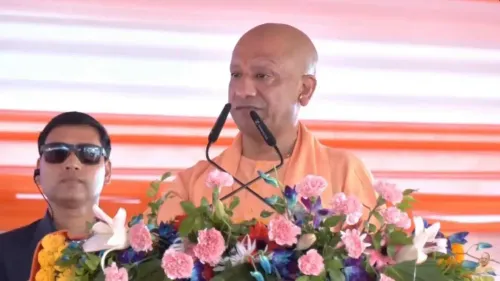
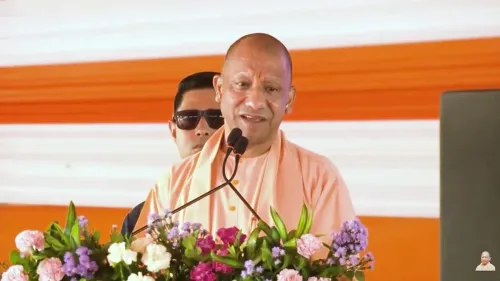
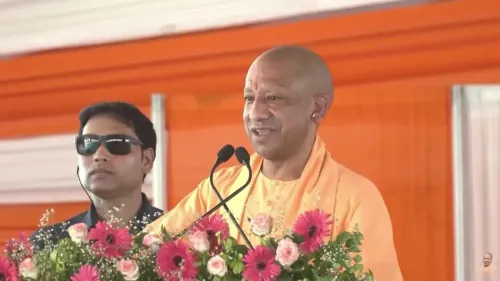
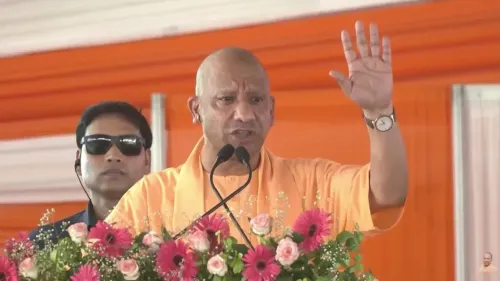
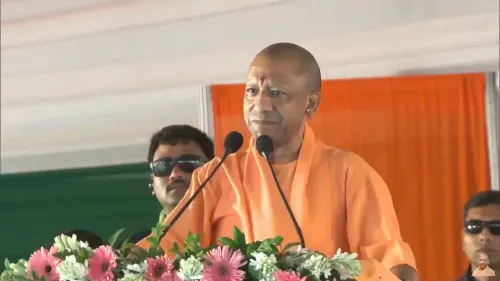
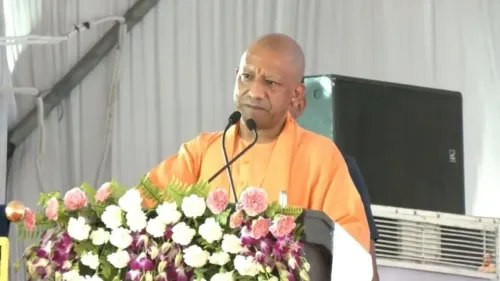
The post was accompanied by a video, suggesting the remarks may be excerpted from a public speech or campaign address. No specific event, location, or named target was identified in the post itself.
Policy Backdrop
The phrases 'slave mentality' (गुलामी की मानसिकता) and 'colonial mindset' have been recurring instruments in BJP political discourse since the 2014 general election campaign, deployed by both central and state leaders to contrast the party's cultural-nationalist platform with what it characterises as the opposition's ambivalence toward India's civilisational heritage.
The charge that rivals seek 'power at the cost of the country' (देश की कीमत पर सत्ता) similarly echoes a long-running BJP narrative around dynastic politics and what the party frames as compromises on national interest. Yogi Adityanath, as head of the Gorakhnath Math and Chief Minister of Uttar Pradesh, has been among the most prominent voices amplifying this framing at the state level.
Stakeholders and Impact
The remarks are directed at opposition parties, with the Indian National Congress being the primary target of such rhetoric historically, though the post does not name any party or individual. Opposition leaders have in the past dismissed such characterisations as diversionary, arguing that critiques of government policy are recast as attacks on national identity.
For voters in Uttar Pradesh — India's most populous state and a key electoral battleground — the language of heritage versus power-hunger has proven electorally potent. The state has returned the BJP to power in successive assembly elections, and such messaging is expected to intensify ahead of future electoral cycles.
What's Next
With state assembly elections on the horizon across several major states and parliamentary debates on constitutional and heritage issues likely to resurface, this style of political framing is set to remain prominent in BJP campaign strategy. Yogi Adityanath's continued use of the 'slave mentality' charge signals that the cultural-nationalist versus colonial-mindset axis will be a defining fault line in upcoming electoral contests. Opposition parties will face pressure to articulate a counter-narrative that addresses both the rhetorical charge and the underlying questions of heritage and national identity.
Point of View
Positioning the party as the custodian of national heritage against an opposition cast as psychologically colonised and power-hungry. The deliberate vagueness of 'they' broadens the attack's political surface area, allowing supporters to project it onto any opponent while shielding it from a direct factual rebuttal. Coming in mid-2026, the timing suggests the BJP is already warming up its core ideological engine ahead of electoral contests, using Yogi's high-profile platform to set the rhetorical terms of engagement. The opposition's persistent difficulty in countering this framing without appearing defensive remains one of the defining asymmetries of contemporary Indian politics.
NationPress
18 Jul 2026
Frequently Asked Questions
What did CM Yogi Adityanath say about the opposition on 18 July 2026?
CM Yogi Adityanath said that certain unnamed political figures live with a 'slave mentality,' have no connection to national heritage, and seek power at the cost of the country. He made these remarks in a Hindi post on X accompanied by a video.
Who is Yogi Adityanath targeting with the 'slave mentality' remark?
The post uses the pronoun 'they' ( वे ) without naming any individual or party. Historically, the 'slave mentality' charge has been a recurring BJP attack directed at the principal national opposition, particularly the Indian National Congress.
What does 'slave mentality' mean in Indian political rhetoric?
In BJP political discourse, 'slave mentality' or 'colonial mindset' refers to an alleged disposition among certain political leaders to defer to Western or colonial cultural frameworks rather than India's own civilisational heritage. The phrase has been used by BJP leaders since the 2014 election campaign.
What is Yogi Adityanath's political position?
Yogi Adityanath is the Chief Minister of Uttar Pradesh, a senior leader of the Bharatiya Janata Party, and the head of the Gorakhnath Math, a prominent Hindu religious institution in eastern Uttar Pradesh.
Why is Uttar Pradesh politically significant for the BJP?
Uttar Pradesh is India's most populous state and sends the largest number of members to the Lok Sabha, making it the single most important state in national electoral arithmetic. The BJP has won successive assembly elections there, and Yogi Adityanath's administration is seen as central to the party's national political strategy.