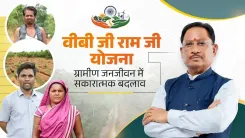
CMO Chhattisgarh: Bastar talent carving new identity
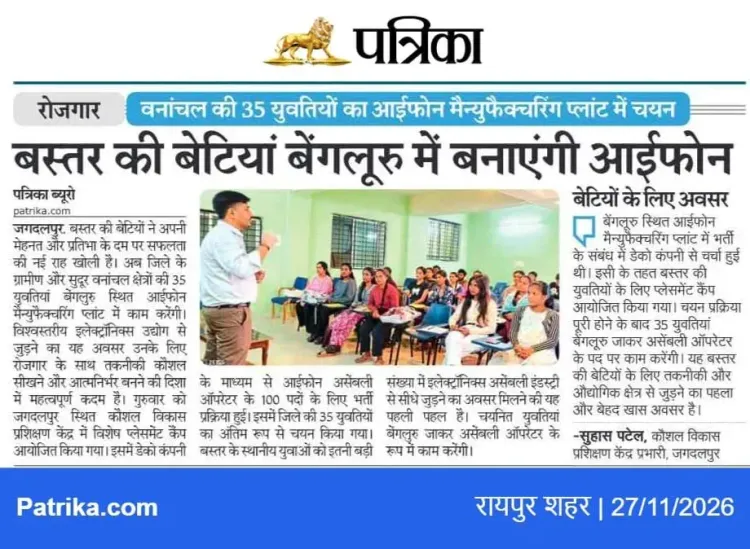
Synopsis
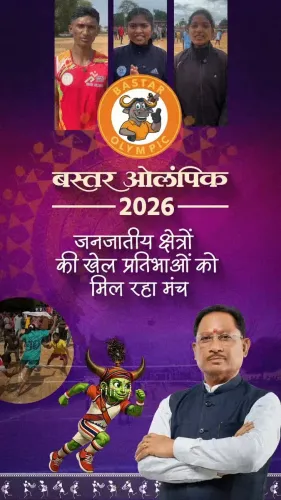
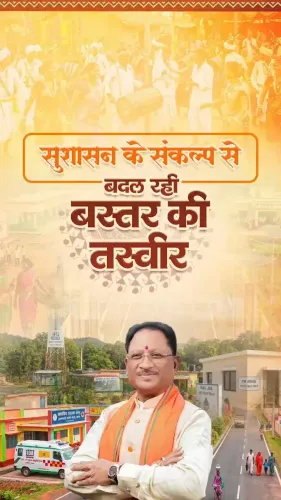
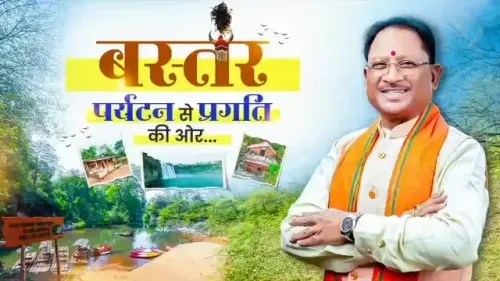
The Chief Minister's Office of Chhattisgarh said Bastar's talents are creating a new identity under its good-governance pitch, with fresh jobs and self-reliance for youth and an emphasis on women. The post frames the tribal south as a livelihood frontier rather than a conflict hinterland.
Key Takeaways
The Chief Minister's Office of Chhattisgarh said on 27 November 2026 that Bastar talent is creating a new identity.
The post highlighted new opportunities in employment and self-reliance for youth.
Hashtags pointed to women empowerment, Bastar , employment, Sushasan Sarkar and Viksit Chhattisgarh.
Bastar is a predominantly tribal southern region long targeted for livelihood programmes.
Youth and tribal women are the named stakeholders in the state's employment pitch.
Bastar's young talent is being recast as the public face of a livelihood turnaround, the Chief Minister's Office of Chhattisgarh said on Friday, 27 November 2026, tying the southern tribal region's identity to jobs, women's participation and self-reliance. The message landed as an official pitch that opportunity, not just geography, now defines the district.
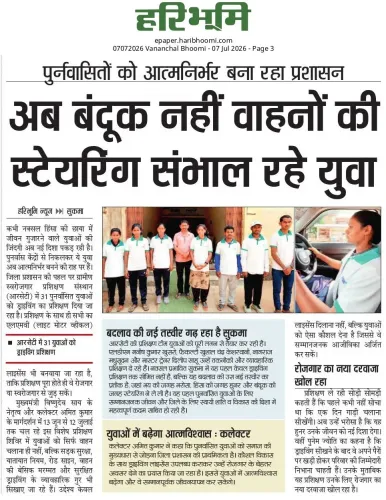
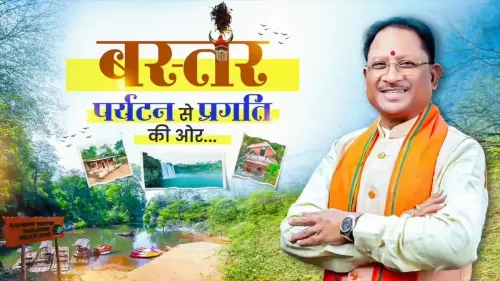
In a post on X, the office said that in the Sushasan Sarkar (good-governance government), Bastar's talents are now creating a new identity, with new opportunities for employment and atmanirbharta (self-reliance) for youth. The post tagged Bastar, women empowerment, employment and a Viksit Chhattisgarh vision.
Jobs and self-reliance for Bastar youth
The southern region of Chhattisgarh has a predominantly tribal population and a history of left-wing extremism. Successive state governments have treated local employment as a way to fold the district into the formal economy and reduce reliance on insurgent-affected livelihoods.
Youth and tribal women sit at the centre of that pitch. Skill and enterprise programmes have been the state's chosen tools to convert regional disparity into pay and small businesses rather than migration or informal work.
Bastar inside a wider tribal-belt strategy
The same pattern runs through other central and eastern tribal belts in India: livelihood interventions first, then a claim of a new regional identity. The CMO's language of self-reliance and women's participation is that template applied to Bastar.
Concrete scheme names, numbers and launch dates were not spelled out in the post. Budget sessions and tribal-welfare reviews will show whether the identity shift arrives as work on the ground.
For Bastar, a new identity will count only when it arrives as a job, a wage and a shop that stays open.
Point of View
Then a new regional brand. Employment and women's enterprise are being sold as the antidote to a history of left-wing extremism and isolation. The political stake is whether the Sushasan Sarkar label sticks in a district where development claims have often outrun delivery. The next serious test is scheme-level numbers in tribal welfare reviews, not slogans.
NationPress
27 Nov 2026
Frequently Asked Questions
What did the Chhattisgarh CMO post about Bastar?
It said Bastar's talents are creating a new identity under the good-governance government, with new opportunities for employment and self-reliance for youth. The post also flagged women empowerment and a Viksit Chhattisgarh goal.
Why does Chhattisgarh focus on jobs in Bastar?
Bastar is a predominantly tribal southern region that has long been targeted for local employment to reduce reliance on insurgent-affected economies. Skill and enterprise programmes are the state's main tools for that shift.
What does Sushasan Sarkar mean in this post?
Sushasan Sarkar translates as good-governance government and is the branding the Chhattisgarh CMO used while highlighting Bastar's talent, jobs and self-reliance. It is presented as the frame for youth employment in the region.
How does women empowerment feature in the Bastar message?
The post used a women-empowerment hashtag alongside employment, signalling tribal women as a core group in the state's livelihood pitch for Bastar. That emphasis matches a wider pattern of bringing women into skill and enterprise programmes in tribal districts.
Where is Bastar in Chhattisgarh?
Bastar is in southern Chhattisgarh, with Jagdalpur as a principal urban centre, and is known for its tribal population and forested terrain. It has historically been a focus of both security and development policy.