Chhattisgarh CMO Spotlights Kachchapal Waterfall as Bastar's Hidden Gem
Synopsis
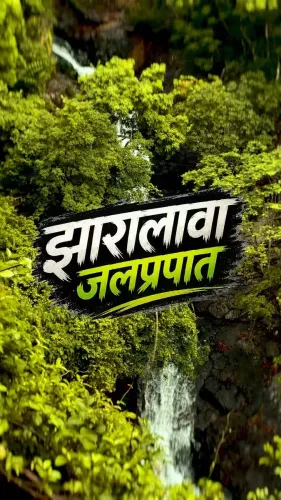
The Chhattisgarh CMO spotlighted Kachchapal Waterfall in Bastar on 13 July 2026, calling it a 'hidden gem' and tagging district handles in a coordinated push to put this lesser-known natural site on the state's eco-tourism map.
Key Takeaways
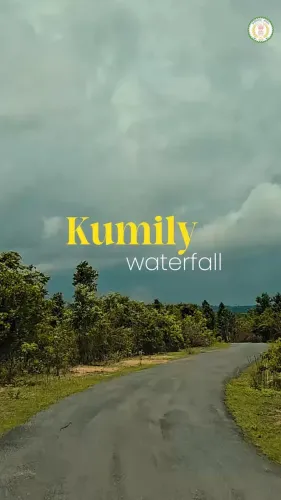
The Chief Minister's Office of Chhattisgarh posted a video promotion of Kachchapal Waterfall on 13 July 2026 .
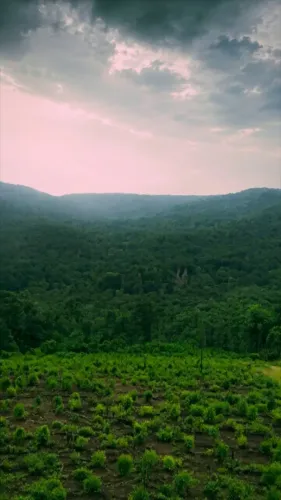
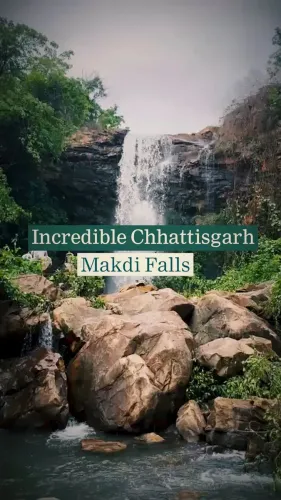
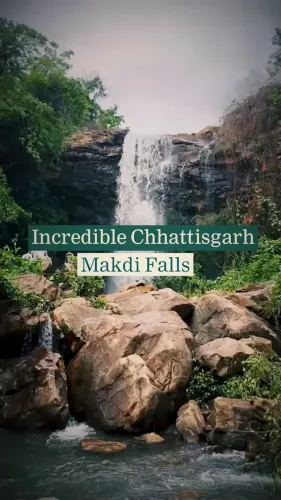
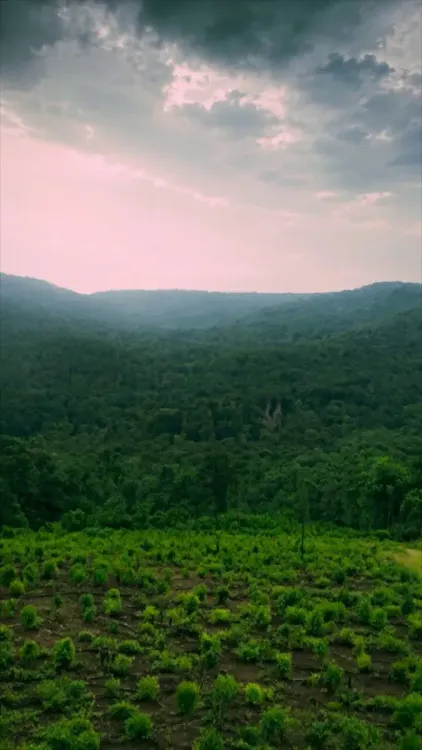
The waterfall is located in the Bastar region of southern Chhattisgarh, described as a 'hidden gem' amid lush forest valleys.
Both Bastar District and Narayanpur District official handles were tagged, indicating coordinated district-level promotion.
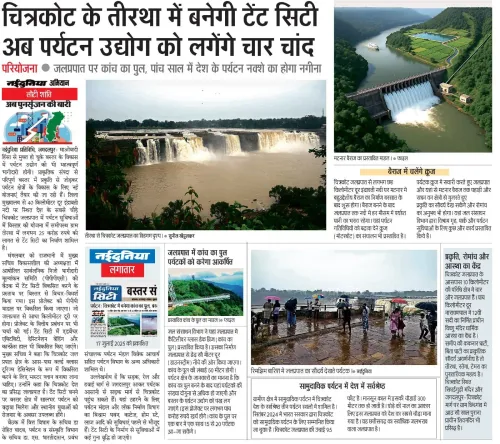
Chhattisgarh Tourism has a longstanding mandate to diversify visitor traffic beyond flagship sites like Chitrakote Falls .
The promotion is part of a broader central-India trend of using social media to reframe former left-wing extremism-affected districts as eco-tourism destinations.
Infrastructure follow-through — roads, signage, eco-lodges — will determine whether the campaign translates into sustained visitor growth.
The Chief Minister's Office of Chhattisgarh on Monday, 13 July 2026 turned its social media spotlight on Kachchapal Waterfall, describing it as a 'hidden gem' nestled in the lush valleys of Bastar and tagging both Bastar District and Narayanpur District handles in a push to draw visitors to one of southern Chhattisgarh's lesser-known natural attractions.
Context
Kachchapal Waterfall sits amid the dense forest cover that defines the Bastar region in southern Chhattisgarh. Unlike the well-documented Chitrakote Falls — often called the 'Niagara of India' — Kachchapal has remained largely off mainstream tourist itineraries, making the CMO's promotional post a deliberate effort to broaden the region's visitor map. The post, accompanied by a video, used hashtags including #KachchapalWaterfall, #HiddenGemOfBastar, and #ExploreBastar to amplify reach across travel communities on the platform.
Policy Backdrop
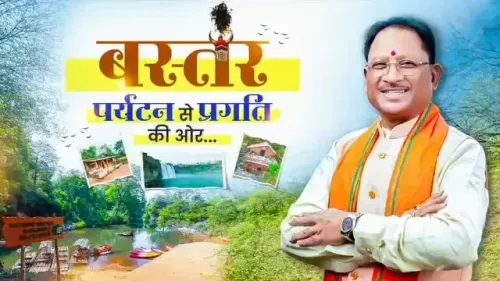
Since Chhattisgarh's formation as a separate state in 2000, successive governments have periodically run campaigns positioning Bastar as an eco-tourism destination, capitalising on its biodiversity, waterfalls, and tribal cultural heritage. Chhattisgarh Tourism, the state body mandated to market such destinations, has sought to diversify the visitor economy beyond a handful of flagship sites. Social media promotion of lesser-known locations fits within a broader strategy of using digital outreach to precede or accompany on-ground infrastructure investment.
Across central India, state governments have increasingly used platforms like X to highlight natural sites in districts that were historically associated with left-wing extremism. These promotions serve a dual purpose: generating tourism revenue and signalling improved ground conditions to potential visitors and investors. Bastar and Narayanpur — both tagged in the CMO post — have been at the centre of such perception-management efforts for several years.
Stakeholders and Impact
The communities most directly affected by any uptick in footfall are the tribal populations of Bastar division, whose livelihoods are intertwined with the forest economy. Regulated eco-tourism, if well-managed, can supplement incomes through homestays, guided tours, and the sale of local crafts and produce. Tourism operators and the hospitality sector in nearby towns such as Jagdalpur also stand to benefit from increased visitor interest in satellite destinations like Kachchapal.
However, unmanaged tourist influx into ecologically sensitive forest zones carries risks — including pressure on local water sources, waste generation, and disruption to wildlife corridors. Balancing promotion with sustainable access planning remains a key challenge for Chhattisgarh Tourism and district administrations.
What's Next
The immediate indicator to watch is whether this social media push is followed by concrete administrative steps: budget allocations, tender notices, or district-level orders for access road upgrades, signage, or eco-lodge development around Kachchapal Waterfall. State tourism campaigns that are backed by infrastructure spending tend to generate sustained visitor growth, while those limited to digital promotion often see short-lived spikes in interest. The involvement of both Bastar District and Narayanpur District handles suggests a coordinated district-administration push, which may signal that ground-level planning is already underway.
Point of View
The post signals a whole-of-government approach rather than a standalone marketing exercise. If backed by infrastructure spending, such campaigns can meaningfully shift economic opportunity toward tribal communities; without it, they risk being dismissed as performative digital outreach. The real test will come in the next budget cycle and in district tender notices.
NationPress
12 Oct 2026
Frequently Asked Questions
Where is Kachchapal Waterfall located?
Kachchapal Waterfall is located in the Bastar region of southern Chhattisgarh , amid dense forest valleys. It falls within the administrative ambit of Bastar and neighbouring Narayanpur districts.
Why is Kachchapal Waterfall called a hidden gem?
The waterfall has remained largely off mainstream tourist itineraries compared to better-known sites like Chitrakote Falls . The Chhattisgarh CMO used the phrase 'hidden gem' on 13 July 2026 to signal its undiscovered status and encourage visitors to explore it.
How is Chhattisgarh promoting Bastar tourism?
Chhattisgarh Tourism and the Chief Minister's Office use social media campaigns, video content, and district-level coordination to highlight natural and cultural sites across Bastar division , aiming to diversify the regional economy through regulated eco-tourism.
Is Bastar safe for tourists?
State authorities have increasingly promoted Bastar as a travel destination, and district administrations facilitate visitor access to sites like waterfalls and tribal cultural spaces. Travellers are advised to check current local conditions and follow district administration guidelines before visiting remote forest areas.
What other waterfalls can be visited in Bastar?
Chitrakote Falls , often described as the widest waterfall in India, is the most prominent attraction in Bastar . Other sites in the division include Tirathgarh Falls near Jagdalpur . Kachchapal Waterfall is now being promoted as an additional, lesser-known option.