CM's Office: Karnataka Govt Committed to Nomadic Tribe Welfare
Synopsis
On World Adivasi Day, 11 August 2026, Karnataka's Chief Minister's Office announced a state-level convention at Bengaluru's Ambedkar Bhavan for nomadic and Hakki Pikki tribal communities, with Minister Ajay Singh, actor Prakash Raj, and Dr. C. S. Dwarakanath in attendance, as the government pledged commitment to the state's most marginalised communities.
Key Takeaways
A state-level World Adivasi Day convention was held on 11 August 2026 at Ambedkar Bhavan, Vasanth Nagar, Bengaluru .
The event was jointly organised by the Karnataka State Nomadic Tribes Mahasabha (R) and the Karnataka Hakki Pikki Tribal Conservation Committee (R) .
The Chief Minister's Office of Karnataka reaffirmed the government's commitment to the development of the 'last communities in society.' Minister Ajay Singh , actor and activist Prakash Raj , and social-justice advocate Dr.
Dwarakanath attended the convention.
The Hakki Pikki are a nomadic tribal community historically dependent on forest-based livelihoods and among Karnataka's most marginalised groups.
Concrete follow-up — new schemes or budget allocations for nomadic communities — is expected to be watched in Karnataka's next legislative session.
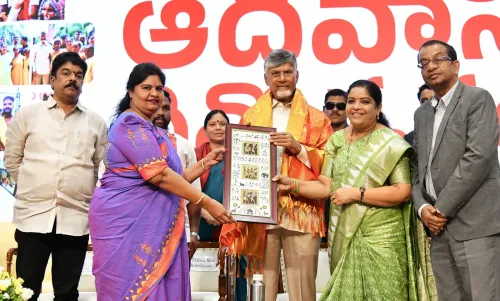
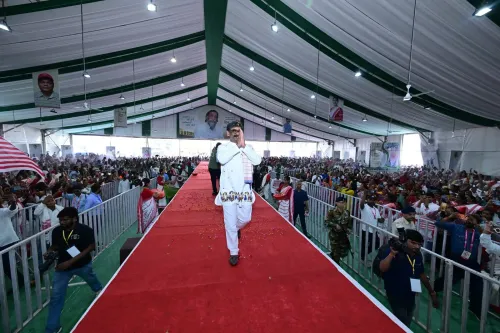
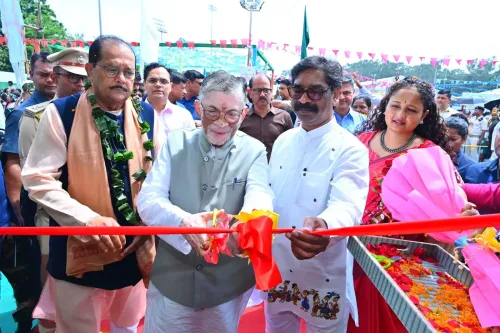
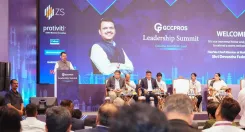
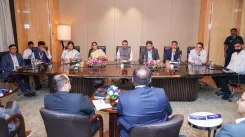
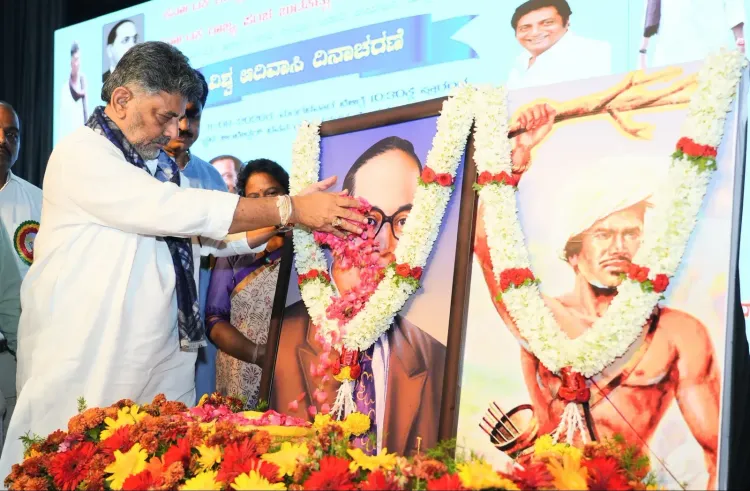
On the occasion of World Adivasi Day (International Day of the World's Indigenous Peoples), Karnataka's top leadership showed up — not in a conference hall of bureaucrats, but at Ambedkar Bhavan in Vasanth Nagar, Bengaluru, among some of the state's most marginalised communities. The Chief Minister's Office of Karnataka announced on Tuesday, 11 August 2026, that a state-level convention was held there, organised jointly by the Karnataka State Nomadic Tribes Mahasabha (R) and the Karnataka Hakki Pikki Tribal Conservation Committee (R).
A Pledge to the Communities at the Margins
At the convention, the state's leadership reaffirmed that the government is 'committed to the development of the last communities in society' — a pointed reference to denotified and nomadic tribes who have historically sat at the furthest edges of welfare delivery. The event drew senior political and civil-society figures: Minister Ajay Singh, veteran film actor and social activist Prakash Raj, and noted social-justice campaigner Dr. C. S. Dwarakanath were all present, lending the gathering both official weight and public visibility.
Who Are the Hakki Pikki, and Why This Day Matters
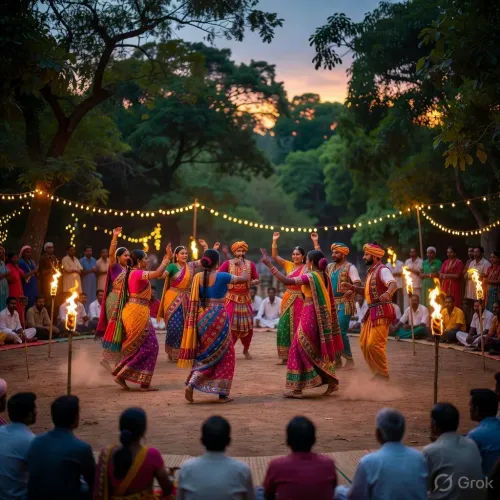
The Hakki Pikki are a nomadic tribal community in Karnataka, traditionally dependent on bird-catching and forest-based livelihoods — a way of life that colonial-era 'Criminal Tribes Acts' once criminalised, leaving a legacy of displacement and distrust that persists generations later. August 9 — recognised globally as the International Day of the World's Indigenous Peoples since 1994 — has become an annual marker for Karnataka administrations to signal renewed engagement with Scheduled Tribe and nomadic communities, aligning state action with the framework of the national Forest Rights Act, 2006 and the Tribal Sub-Plan.
Prakash Raj and Dr. Dwarakanath on the Dais
The presence of Prakash Raj — one of Indian cinema's most recognisable faces and a vocal participant in social-justice causes — alongside Dr. C. S. Dwarakanath, a senior advocate for marginalised communities, signals that this was more than a routine government function. Civil-society credibility matters when the audience is a community with deep reasons for scepticism toward official promises. The choice of Ambedkar Bhavan as the venue — a space steeped in the Ambedkarite tradition of constitutional rights for the oppressed — reinforced that symbolism.
Whether Tuesday's convention translates into concrete allocations — new scheme notifications, budget line items, or land-rights implementation reports for nomadic and Hakki Pikki households — will be the real measure when Karnataka's next legislative session convenes.
Point of View
Civil-society-inclusive convention on World Adivasi Day fits a pattern of symbolic outreach to denotified and nomadic tribes — communities that carry the longest tail of historical injustice. The inclusion of Prakash Raj and Dr. Dwarakanath is a deliberate attempt to borrow credibility from outside the political establishment, signalling that the government is aware trust must be earned, not assumed. Against the backdrop of the Forest Rights Act's uneven implementation nationally, Karnataka's pledge of commitment will be tested by what follows in budget allocations and scheme notifications. The convention is a meaningful signal, but the Adivasi-rights community will be watching the ledger, not the dais.
NationPress
11 Aug 2026
Frequently Asked Questions
What is World Adivasi Day and why is it observed on August 9?
World Adivasi Day , formally the International Day of the World's Indigenous Peoples, is observed every 9 August to commemorate the first meeting of the UN Working Group on Indigenous Populations in 1982. It marks global commitment to the rights and welfare of indigenous communities.
Who are the Hakki Pikki tribe in Karnataka?
The Hakki Pikki are a nomadic tribal community in Karnataka traditionally associated with bird-catching and forest-based livelihoods. Historically criminalised under colonial-era laws, they remain among the state's most economically and socially marginalised groups.
What was the Karnataka Adivasi Day convention about?
The state-level convention held on 11 August 2026 at Ambedkar Bhavan, Bengaluru was organised by the Karnataka State Nomadic Tribes Mahasabha and the Karnataka Hakki Pikki Tribal Conservation Committee to mark World Adivasi Day, with the government reaffirming its commitment to nomadic and tribal welfare.
Why was Prakash Raj at the Karnataka tribal convention?
Prakash Raj , a senior film actor known for his engagement in social and political causes, attended the convention as a public advocate for marginalised communities, lending civil-society visibility to the government event.
What is the Forest Rights Act and how does it relate to Karnataka's tribal welfare?
The Forest Rights Act, 2006 grants Scheduled Tribes and traditional forest-dwelling communities rights over forest land and resources. Karnataka's tribal welfare programmes, including those for nomadic communities like the Hakki Pikki, operate within this national legal framework alongside the state's Tribal Sub-Plan.