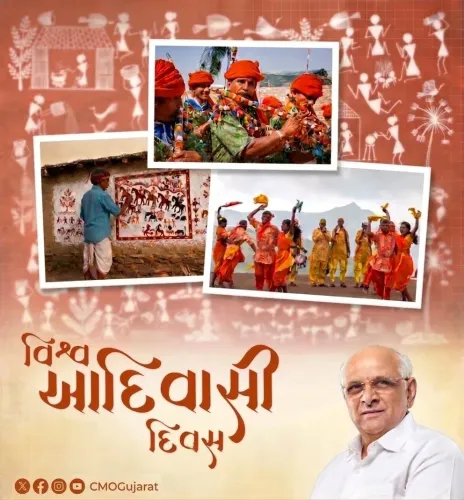
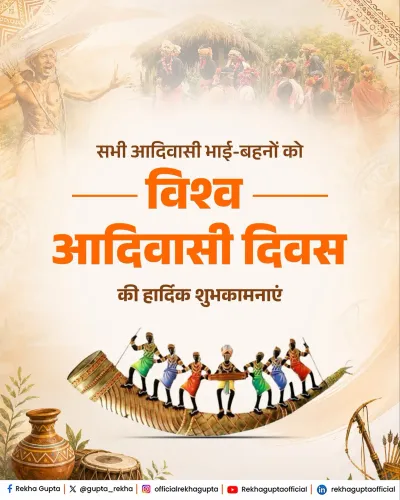
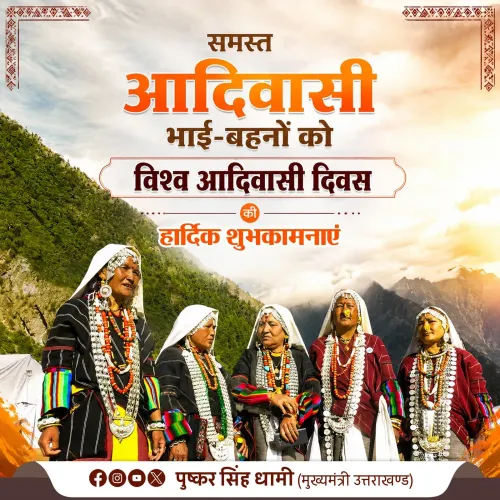
Gadkari Salutes India's Tribal Communities on World Tribal Day
Synopsis
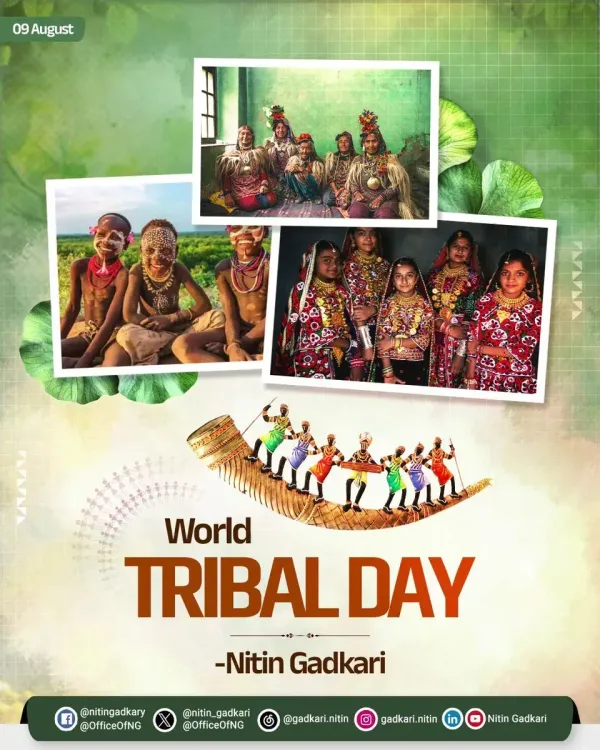
On World Tribal Day, 9 August 2026, Union Minister Nitin Gadkari honoured India's tribal communities as guardians of ancient traditions and indigenous knowledge, calling for dignity, rights, and a future where they thrive — set against India's constitutional and legislative framework for tribal welfare.
Key Takeaways
Nitin Gadkari posted a World Tribal Day tribute on 9 August 2026 , honouring India's tribal communities.
He described tribal peoples as 'guardians of ancient traditions, diverse cultures, indigenous knowledge and a profound relationship with nature.' World Tribal Day is observed annually on 9 August to recognise the contributions and rights of indigenous communities worldwide.
India's Fifth and Sixth Schedules of the Constitution provide specific administrative protections for tribal areas.
The Forest Rights Act, 2006 recognised individual and community rights of tribal populations over forest land.
Implementation of forest rights claims and tribal development programmes remains an active area of policy scrutiny.
India's tribal communities — the keepers of ancient forests, living languages, and ecological wisdom that predate modern statehood — received a formal salute from Union Road Transport and Highways Minister Nitin Gadkari on Sunday, 9 August 2026, as the world marked World Tribal Day.
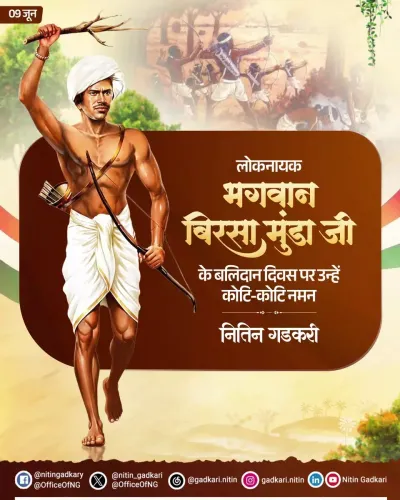
In a post on X, Gadkari called tribal communities 'the guardians of ancient traditions, diverse cultures, indigenous knowledge and a profound relationship with nature,' adding that 'their stories, wisdom and resilience are an integral part of India's civilisational heritage.' He called for celebrating their identity, upholding their rights, and building a future 'where they thrive with dignity.'
Why 9 August Matters for India's Adivasi Populations
World Tribal Day — observed annually on 9 August — was designated by the United Nations to recognise the contributions and rights of indigenous peoples globally. In India, the day carries particular weight: the country is home to one of the world's largest scheduled tribal populations, spread across forested interiors, hill tracts, and coastal belts from the Northeast to the Deccan plateau. India's constitutional framework provides specific protections through the Fifth and Sixth Schedules, which govern administration of tribal areas and safeguard customary rights. The landmark Scheduled Tribes and Other Traditional Forest Dwellers (Recognition of Forest Rights) Act, 2006 further codified individual and community rights over forest land — a legislative acknowledgement that tribal communities are stewards, not encroachers, of India's green cover.A Ritual of Recognition — and Its Limits
Statements on World Tribal Day have become a fixture of the Indian political calendar, with ministers across party lines issuing tributes to Adivasi heritage. The pattern reflects a broader consensus that tribal welfare is constitutionally and morally non-negotiable — even as implementation of forest rights claims and tribal development programmes remains a live and contested policy challenge. The gap between legislative intent and ground-level delivery is precisely what advocates and parliamentary committees continue to scrutinise.Point of View
But it also signals the BJP's continued effort to frame Adivasi welfare within a 'civilisational heritage' narrative — distinct from a purely rights-based framing. The invocation of dignity and identity sits alongside a legislative record anchored in the Forest Rights Act and constitutional Schedules, whose implementation remains patchy. For a senior BJP leader of Gadkari's stature, such statements carry implicit pressure on the bureaucracy to close the gap between policy intent and delivery. The real test will be in parliamentary updates on pending forest rights claims and tribal development outlays.
NationPress
23 Sept 2026
Frequently Asked Questions
When is World Tribal Day celebrated?
World Tribal Day is observed every year on 9 August , a date designated by the United Nations to recognise the rights and contributions of indigenous and tribal peoples worldwide.
What did Nitin Gadkari say on World Tribal Day 2026?
Nitin Gadkari called India's tribal communities 'guardians of ancient traditions, diverse cultures, indigenous knowledge and a profound relationship with nature,' and urged that their identity be celebrated and their rights upheld.
What is the Forest Rights Act and how does it protect tribal communities?
The Scheduled Tribes and Other Traditional Forest Dwellers (Recognition of Forest Rights) Act, 2006 legally recognised the rights of tribal and forest-dwelling communities over land and resources they have traditionally used, correcting historical injustices.
What are the Fifth and Sixth Schedules of the Indian Constitution?
The Fifth Schedule governs administration and control of scheduled areas and tribes in most states, while the Sixth Schedule provides for autonomous district councils in tribal areas of the Northeast — both are constitutional safeguards for Adivasi communities.
Why do Indian ministers issue statements on World Tribal Day?
Issuing tributes on World Tribal Day has become a standard practice across Indian political parties, reflecting the constitutional and moral importance of tribal welfare — and the significant electoral and demographic weight of scheduled tribe populations across many states.