Coal Minister Kishan Reddy Tours Monash University Research Labs
Synopsis
Union Coal and Mines Minister G. Kishan Reddy visited Monash University in Melbourne on 29 October 2026, touring its advanced research facilities in a move that underscores India's push to build academic and technology partnerships with Australia to upgrade domestic mining capabilities and secure critical mineral supply chains.
Key Takeaways
Union Coal and Mines Minister G.
Kishan Reddy visited Monash University, Melbourne on 29 October 2026 , inspecting its advanced research facilities.
Monash University has strong programmes in mining engineering, resources technology, and critical minerals science.
Australia is a major global supplier of critical minerals including lithium, cobalt, and rare earths essential to India's energy transition.
The India-Australia Economic Cooperation and Trade Agreement (2022) includes dedicated provisions for resources and critical minerals cooperation.
India has been building research partnerships with Australian universities to upgrade domestic mining capabilities and secure critical mineral supply chains.
Possible follow-up outcomes include MoUs or joint research projects between Indian mining institutes and Monash University.
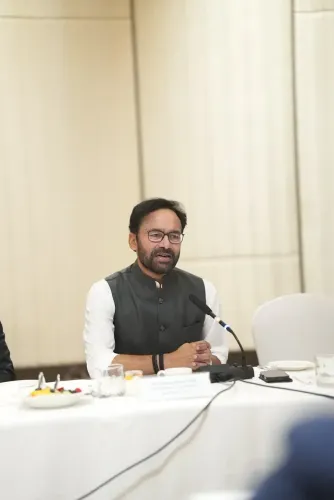
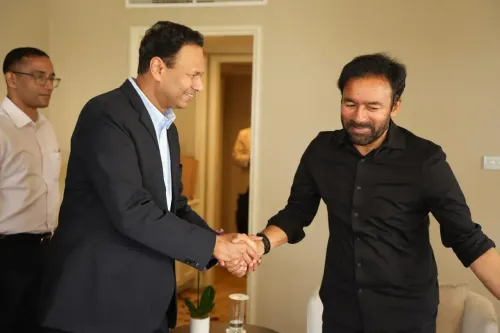
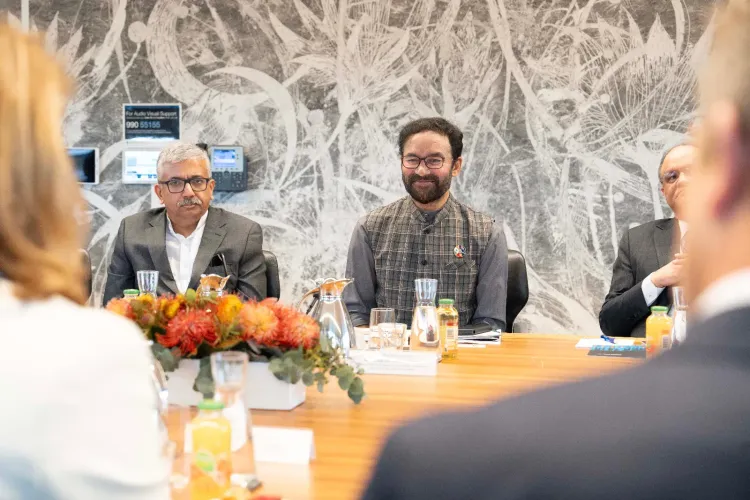
At Monash University in Melbourne, Australia, Union Coal and Mines Minister G. Kishan Reddy walked the corridors of one of the Southern Hemisphere's most advanced research campuses on Thursday, 29 October 2026 — a visit that signals India's deepening push to upgrade its mining and resources technology through global academic partnerships.
What Monash Brings to India's Mining Ambitions
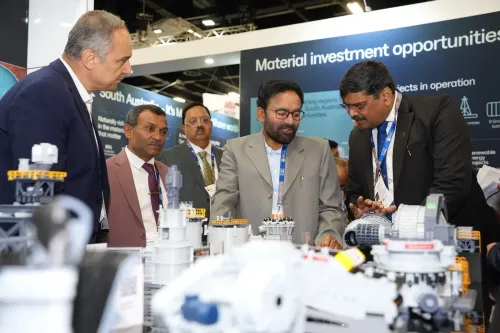
Monash University is among Australia's top public research institutions, with particular strength in mining engineering, resources technology, and critical minerals science — precisely the fields at the heart of India's current industrial priorities. Reddy described getting 'a glimpse of its advanced research facilities and cutting-edge research capabilities,' pointing to the kind of technical depth India's coal and mining sector is increasingly seeking abroad.
Australia is not merely a geographic neighbour in the Indo-Pacific; it is one of the world's largest suppliers of critical minerals — lithium, cobalt, rare earths — that India needs for its energy transition and manufacturing push. The two countries formalised that relationship in 2022 with the India-Australia Economic Cooperation and Trade Agreement, which included explicit provisions for resources and critical minerals cooperation.
The Bigger Play: Research Partnerships to Upgrade Domestic Capabilities
India has been systematically building technology and research bridges with Australian universities to sharpen domestic mining capabilities and secure supply chains for the critical minerals powering everything from electric vehicles to defence electronics. A visit by the Union Minister who controls India's coal and mines portfolio to Monash's research facilities fits squarely within that strategic arc.
The practical question now is whether this visit translates into institutional follow-through — MoUs, joint research programmes, or faculty-exchange frameworks between Monash and Indian mining institutes such as the Indian School of Mines or IITs with strong geology and resources departments. Ministerial-level visits of this kind in the India-Australia corridor have historically served as the political green light for institutional-level deals to move forward.
Reddy's Bilateral Signal From Melbourne
As BJP Telangana state president and a senior cabinet minister, Reddy's presence in Melbourne carries weight beyond the bureaucratic. Telangana itself sits atop significant mineral reserves, and a minister simultaneously holding the national mines portfolio and a state party leadership role brings a layered interest to any conversation about mining research and investment. The visit, even at the exploratory stage, is a concrete diplomatic footprint in a bilateral relationship that both New Delhi and Canberra have been careful to deepen across trade, defence, and now knowledge-economy sectors.
One research campus, one ministerial tour. But in the grammar of Indian foreign and industrial policy, that is often how the next chapter begins.
Point of View
Which has steadily moved beyond goods into technology and knowledge transfers. The visit also reflects a broader pattern of Indian ministers using bilateral trips to signal sectors where New Delhi wants to accelerate investment and partnerships, with Monash's mining-research pedigree making it a natural destination for the Union Mines portfolio. Watch for institutional-level follow-through: the real measure of this visit will be whether it spawns formal research linkages within the next few quarters.
NationPress
29 Oct 2026
Frequently Asked Questions
Why did Coal Minister Kishan Reddy visit Monash University in Australia?
Kishan Reddy visited Monash University in Melbourne on 29 October 2026 to explore its advanced research facilities and cutting-edge capabilities, particularly relevant to India's mining and critical minerals sector. The visit aligns with India's broader strategy of building research partnerships with Australian universities to upgrade domestic mining technology.
What is Monash University known for in mining and resources?
Monash University is one of Australia's leading public research institutions with strong programmes in mining engineering, resources technology, and critical minerals science — areas directly relevant to India's coal and mines sector and its push to secure critical mineral supply chains.
What is the India-Australia agreement on critical minerals?
The India-Australia Economic Cooperation and Trade Agreement , signed in 2022 , includes provisions for cooperation on resources and critical minerals. Australia is a major supplier of lithium, cobalt, and rare earths that India needs for its energy transition and advanced manufacturing.
What could follow from Kishan Reddy's visit to Monash University?
Possible outcomes include MoUs or joint research projects between Monash University and Indian mining institutions such as the Indian School of Mines or IITs with geology and resources programmes. Ministerial visits in the India-Australia corridor have historically preceded formal institutional agreements.
Who is G. Kishan Reddy?
G. Kishan Reddy is India's Union Minister of Coal and Mines and the BJP state president for Telangana . He holds a senior cabinet portfolio covering India's vast coal production and mineral resources sectors.