Congress demands MP moong procurement target hike, writes to Centre
Synopsis
Madhya Pradesh Congress says the state's summer moong procurement target covers just 25% of actual output — leaving the bulk of farmers in India's largest moong-producing state exposed to below-MSP distress sales. With protests already erupting in Harda, the demand for a revised target tests both the Centre and the BJP state government on farm-policy credibility.
Key Takeaways
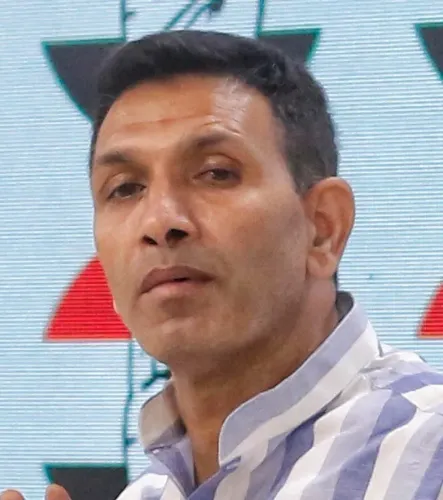
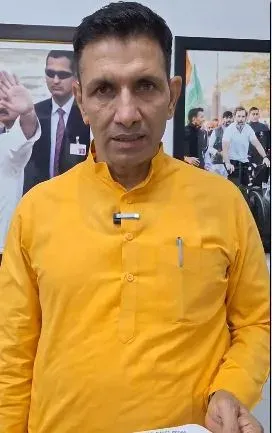
MP Congress President Jitu Patwari wrote to CM Mohan Yadav and Union Agriculture Minister Shivraj Singh Chouhan on 8 July demanding a higher moong procurement target.
Procurement arrangements reportedly cover only about 25 per cent of Madhya Pradesh 's actual summer moong production.
Madhya Pradesh is the country's largest producer of summer moong; farmers expanded cultivation at the government's encouragement.
Farmer protests have broken out in districts including Harda over shortfalls in procurement centres and slot-booking irregularities.
Congress demanded target revision in line with actual output, more procurement centres, timely payments, and deployment of senior officials to protest districts.
Patwari warned that failure to assure MSP prices could erode farmer interest in pulse cultivation, threatening national food and pulse security.
The Madhya Pradesh Congress has urged the Centre to immediately revise the state's summer moong procurement target upward, alleging that the current quota covers only about 25 per cent of actual production — leaving thousands of farmers at risk of selling below the Minimum Support Price (MSP). The demand was made via a formal letter to Chief Minister Mohan Yadav and Union Agriculture Minister Shivraj Singh Chouhan on Tuesday, 8 July.
What the Congress Alleged
Pradesh Congress Committee President Jitu Patwari stated in the letter that procurement arrangements had been made for only roughly a quarter of the state's actual moong output. 'Publicly available information and complaints from farmers suggest that procurement arrangements have been made for only about 25 per cent of the actual production. If this is true, the remaining farmers will be forced to sell their produce below the MSP,' Patwari wrote.
He noted that Madhya Pradesh is the country's largest producer of summer moong and that farmers had ramped up cultivation after being encouraged by both the Centre and the state government to boost pulse output. Those farmers, he argued, invested heavily in irrigation, seeds, fertilisers, electricity, and labour — only to now struggle to find buyers at the support price.
Grievances on the Ground
Patwari pointed to farmer protests in several districts, including Harda, as evidence of deepening discontent over the procurement process. Beyond the shortfall in the target itself, he alleged a range of systemic failures: a shortage of procurement centres, irregularities in registration and slot allocation, delays in quality testing, and a lack of transparency in payments.
'When the government encouraged farmers to increase production, why is it now unwilling to procure their entire crop? This question raised by farmers is completely justified,' Patwari said.
Key Demands Raised
The Congress put forward a multi-point demand to both the Centre and the state government, including: revising Madhya Pradesh's procurement target in line with actual production; ensuring every registered farmer can sell the full crop at the MSP; increasing the number and capacity of procurement centres; resolving registration and slot-booking issues at the earliest; ensuring timely payment to farmers; and deploying senior officials to districts where protests are under way.
Why It Matters for Pulse Security
Patwari framed the issue as one with long-term national consequences. 'This is not just about one crop. If farmers do not receive a fair price for their produce, they will lose interest in pulse cultivation, which will directly affect the country's food and pulse security,' he said. He urged both governments to treat the matter as a livelihood issue and act swiftly to prevent losses to moong growers.
This comes amid broader concerns about MSP implementation across states, where the gap between declared support prices and actual farm-gate realisations has been a recurring flashpoint. Whether the Centre revises the procurement ceiling for Madhya Pradesh — and by how much — will be closely watched by farmer bodies across the country's pulse belt.
Point of View
If accurate, is a damning indictment of how the MSP regime operates in practice versus on paper. Madhya Pradesh farmers were explicitly nudged toward moong cultivation to serve national pulse-sufficiency goals — making the Centre's reluctance to match procurement capacity with production a policy contradiction, not merely an administrative gap. The protests in Harda are an early warning: if the largest moong-producing state cannot deliver MSP to its own farmers, the credibility of the Centre's pulse self-sufficiency narrative takes a direct hit. The Congress letter is politically timed, but the underlying grievance is structural and unlikely to dissolve without a concrete revision of the procurement ceiling.
NationPress
8 Jul 2026
Frequently Asked Questions
What is the MP Congress demanding regarding moong procurement?
The Madhya Pradesh Congress is demanding that the Centre revise the state's summer moong procurement target to match actual production, ensuring every registered farmer can sell the full crop at the Minimum Support Price (MSP). The party also wants more procurement centres, faster payments, and resolution of registration irregularities.
Why are MP moong farmers at risk of selling below MSP?
According to Congress President Jitu Patwari, procurement arrangements have been made for only about 25 per cent of Madhya Pradesh's actual summer moong production. The remaining farmers, unable to access government procurement, may be forced to sell in open markets at prices below the MSP.
Where are farmer protests taking place over moong procurement?
Farmer protests have been reported in several districts of Madhya Pradesh, with Harda specifically cited by Patwari as a flashpoint, reflecting growing dissatisfaction over the procurement process and lack of adequate centres.
Who did the Congress write to over the moong procurement issue?
Pradesh Congress Committee President Jitu Patwari addressed the letter to Madhya Pradesh Chief Minister Mohan Yadav and Union Agriculture Minister Shivraj Singh Chouhan on 8 July, urging both the state and the Centre to take immediate corrective action.
Why does the moong procurement shortfall matter beyond one crop?
Madhya Pradesh is India's largest summer moong producer, and farmers expanded cultivation at the government's encouragement to meet national pulse demand. Patwari has warned that if farmers cannot realise MSP, they will exit pulse cultivation, directly threatening the country's food and pulse security.