Why is Congress Protesting in Bihar Over MNREGA Replacement?
Synopsis
The Congress party has initiated a statewide protest in Bihar following the replacement of MNREGA with the VB-G RAM G scheme. Allegations of adverse effects on rural laborers and increased financial strain on poorer states have sparked this movement. Discover the implications of this legislative change and the Congress's response.
Key Takeaways
Congress protests against the replacement of MNREGA in Bihar.
Concerns over financial burden on poorer states.
New scheme guarantees 125 days of employment annually.
Funding shifted to a 60:40 ratio between Centre and states.
Emphasis on sustainable infrastructure over temporary jobs.
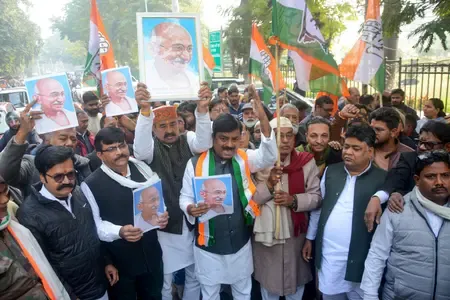
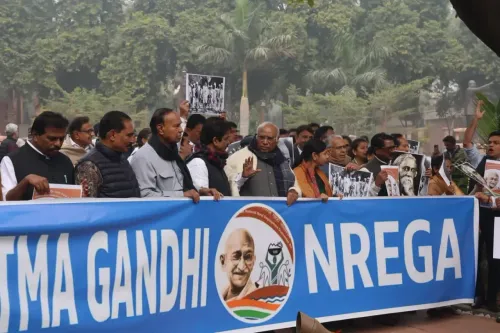
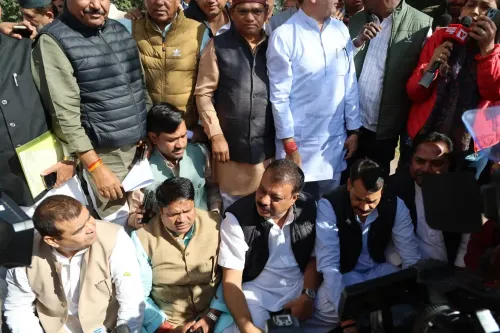
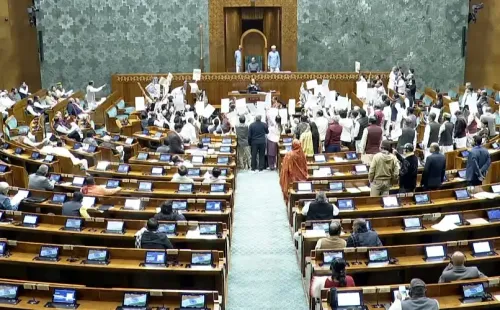
Patna, Jan 8 (NationPress) In response to the enactment of a new law in December 2025 that substitutes the Mahatma Gandhi National Rural Employment Guarantee Act (MNREGA) with the VB-G RAM G scheme, the Congress party has declared a statewide protest across Bihar. The party claims this shift will negatively affect rural laborers and impose an extra financial strain on economically weaker states.
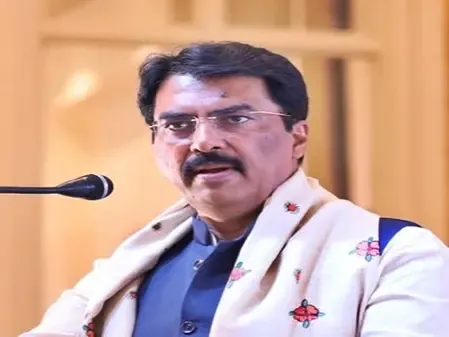
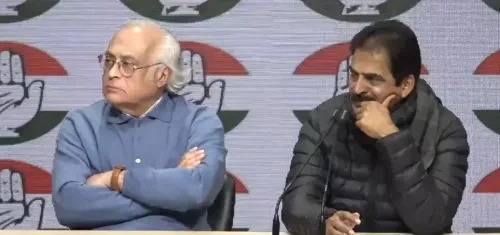
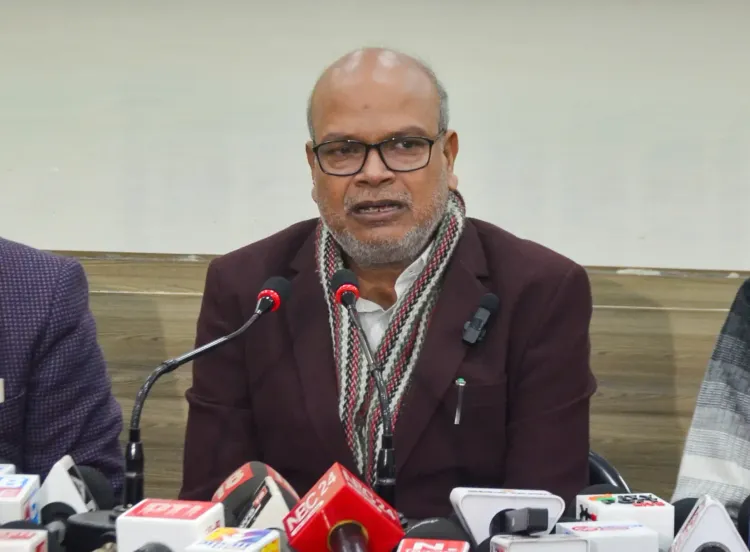
Senior Congress figure Shakeel Ahmed Khan expressed deep concerns regarding the motivations of the Central government behind this legislative change. He asserted that the administration intentionally omitted Mahatma Gandhi’s name from the new scheme, even though MNREGA has been pivotal in securing employment for rural workers, especially in regions like Bihar.
Khan emphasized that, under the new framework, states must shoulder 40 percent of the scheme's expenses, a requirement absent in MNREGA, which was entirely funded by the Central government.
“This modification will profoundly affect economically disadvantaged states such as Bihar,” he remarked.
Bihar Congress president Rajesh Ram accused the Bharatiya Janata Party (BJP) of seeking to dismantle MNREGA through this new legislation.
“Initially, the BJP aimed to erase the legacy of Bapu and the principles of truth and non-violence. Secondly, the scheme has been transformed into a mission. Unlike a scheme, which cannot be easily terminated, a mission can be revoked at any moment,” Rajesh Ram stated.
He further contended that while the Centre has pledged 125 days of employment under the new law, states have been stripped of substantial decision-making authority, retaining all power within the Central government.
“Even the ability to modify or discontinue the program lies solely with the Centre. The Congress will oppose the implementation of this system under any circumstances,” he declared.
In outlining the protest schedule, Rajesh Ram noted that the Congress has arranged a statewide movement from January 10 to February 25.
The agenda includes district-level press briefings on January 10, followed by a day-long fast on January 11. Public meetings at the panchayat level are set for January 12, and ward-level peace marches and protests will take place on January 30.
Demonstrations at the district level are scheduled from January 31 to February 6, with Assembly constituency protests from February 5 to February 15. Regional rallies are planned from February 16 to February 25.
“The BJP government altered the name because it disapproves of Mahatma Gandhi’s legacy. The Congress intends to bring this issue to the public and sustain our movement for the next month,” Rajesh Ram asserted, adding that party leaders are committed to intensifying the fight for workers’ rights at the grassroots.
Additionally, the new law introduces several structural modifications. It now guarantees rural households 125 days of employment annually, an increase from the previous 100 days.
The funding structure has shifted from complete Central funding to a 60:40 Centre-state ratio, obligating states to cover 40 percent of the expenses.
The scheme also prioritizes the development of sustainable infrastructure, such as water conservation initiatives, rural roads, and disaster management projects, over temporary manual labor.
Point of View
It is crucial to appreciate the ongoing political dynamics in Bihar. The Congress's protests highlight significant concerns regarding employment security for rural laborers amidst shifting governmental policies. This situation invites scrutiny and discussion on the government's approach to rural development and worker rights, emphasizing the need for balanced dialogue around these critical issues.
NationPress
22 Sept 2026
Frequently Asked Questions
What is the reason behind the Congress protest in Bihar?
The Congress is protesting the replacement of MNREGA with the VB-G RAM G scheme, which they argue will negatively impact rural laborers and increase the financial burden on poorer states.
What changes were introduced with the new VB-G RAM G scheme?
The new scheme guarantees 125 days of employment annually, shifts funding responsibilities to a 60:40 ratio between the Centre and states, and emphasizes sustainable infrastructure projects.
How does the Congress plan to execute their protest?
The Congress has scheduled a series of activities including press conferences, public meetings, and demonstrations across various levels from January 10 to February 25.
What are the implications of the new law for Bihar?
The new law may lead to reduced employment security for rural workers and increased financial obligations for the state government, which could exacerbate economic challenges in Bihar.
What position does Congress take regarding the government's intentions?
Congress leaders express skepticism about the government's motives, suggesting that the removal of Mahatma Gandhi's name from the scheme is indicative of a broader attempt to undermine MNREGA.