Congress MLAs meet MP Governor, demand prosecution sanction against Vijay Shah
Synopsis
A day after Governor Mangubhai Patel approved the Madhya Pradesh Cabinet's refusal to sanction the prosecution of Minister Vijay Shah, the Congress marched back to Raj Bhavan demanding a reversal — keeping alive a case that has drawn Supreme Court oversight, an SIT probe, and a High Court suo motu order, all over remarks targeting an Army officer who briefed the nation during Operation Sindoor.
Key Takeaways
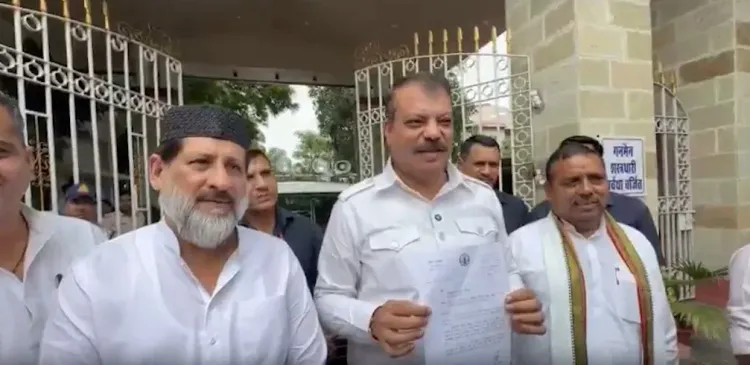
Congress MLAs led by MP LoP Umang Singhar met Governor Mangubhai Patel in Bhopal on 1 September , seeking reconsideration of the prosecution sanction refusal against Vijay Shah .
Governor Patel had approved the MP Cabinet's decision against granting sanction on Monday night , a day before the Congress delegation's visit.
The MP Cabinet , under Chief Minister Mohan Yadav , had resolved against prosecution sanction on 25 August .
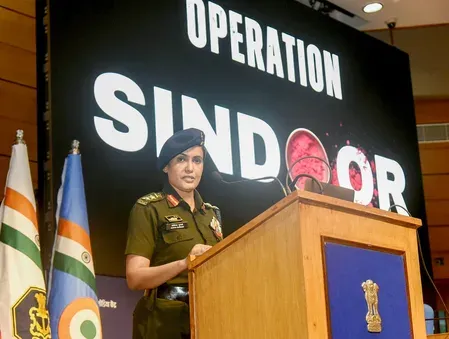
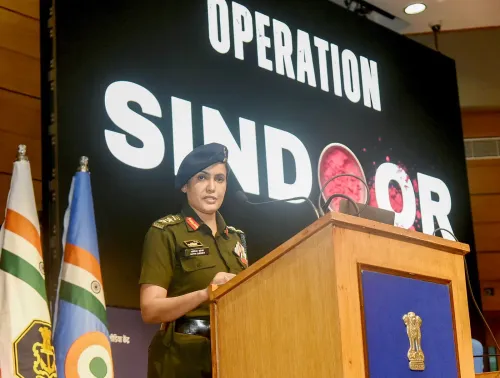
The case stems from remarks Shah made in Mhow in May 2025 , widely understood to target Colonel Sofiya Qureshi of Operation Sindoor fame.
The SIT completed its probe and sought sanction under Section 196 of the Bharatiya Nyaya Sanhita ; it will file either a chargesheet or a closure report depending on the outcome.
The Supreme Court continues to oversee the matter and sought the next course of action during Monday's hearing.
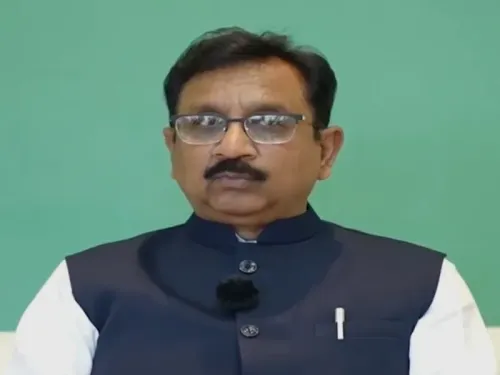
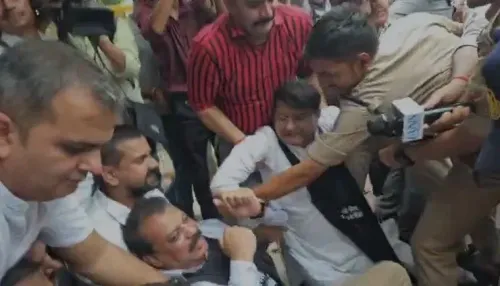
A delegation of Indian National Congress MLAs, led by Madhya Pradesh Leader of Opposition Umang Singhar, met Governor Mangubhai Patel at the Raj Bhavan in Bhopal on Tuesday, 1 September, urging him to reconsider his approval of the state Cabinet's decision to deny prosecution sanction against Cabinet Minister Vijay Shah. The demand centres on Shah's controversial public remarks, widely understood to have targeted Army officer Colonel Sofiya Qureshi, who had briefed the media during Operation Sindoor.
What the Congress Delegation Demanded
Singhar submitted a formal representation to the Governor, pressing for an urgent reversal of the decision and the immediate grant of prosecution sanction. 'In a constitutional system of governance, no individual, irrespective of the position he or she holds, can be above the law,' Singhar stated in the representation.
He further argued that where the matter involved compliance with directions of the Supreme Court, the government was obligated to take an 'impartial, transparent and legally sound decision.' The delegation's visit came just a day after Governor Patel formally approved the Cabinet's proposal against granting the sanction — a move the Congress has described as constitutionally improper.
Timeline of the Case
The controversy traces back to remarks made by Vijay Shah at a public programme in the Mhow area in May 2025. The comments were widely understood to refer to Colonel Sofiya Qureshi, who, alongside Wing Commander Vyomika Singh and Foreign Secretary Vikram Misri, had conducted a media briefing during Operation Sindoor.
The Madhya Pradesh High Court took suo motu cognisance of the remarks and directed the registration of an FIR against Shah. The Supreme Court subsequently granted him interim protection from arrest and ordered the constitution of a three-member Special Investigation Team (SIT) to probe the matter.
The SIT completed its investigation and sought prosecution sanction against Shah under Section 196 of the Bharatiya Nyaya Sanhita. The Madhya Pradesh Cabinet, headed by Chief Minister Mohan Yadav, decided on 25 August against recommending the sanction — a proposal the Governor then approved on Monday night.
Supreme Court's Continuing Oversight
During Monday's hearing, the Supreme Court sought clarity on the next steps following the Governor's decision on prosecution sanction. The SIT officer present in court stated that if sanction were granted, a chargesheet would be filed; in case of refusal, the agency would submit a closure report. The court's continued involvement signals that the matter remains under active judicial scrutiny.
What Happens Next
With the Governor having approved the Cabinet's refusal and the Congress formally seeking reconsideration, the case is likely to return to the Supreme Court for further directions. Legal observers note that the Governor's power to independently reconsider such a decision — after having already approved the Cabinet's recommendation — is itself a constitutionally nuanced question. The SIT's next move, whether a chargesheet or a closure report, will hinge on any fresh development at the Raj Bhavan or the Supreme Court.
Point of View
This is a test of whether constitutional safeguards around prosecution sanction can insulate elected officials from accountability in matters that have already drawn High Court and Supreme Court intervention. The SIT's binary outcome — chargesheet or closure — will now define whether the judiciary's oversight translated into consequence or process.
NationPress
16 Oct 2026
Frequently Asked Questions
Why did the Congress delegation meet the MP Governor on 1 September?
The Congress delegation, led by Leader of Opposition Umang Singhar, met Governor Mangubhai Patel to urge him to reconsider his approval of the state Cabinet's decision not to grant prosecution sanction against Minister Vijay Shah. The visit came a day after the Governor formally approved the Cabinet's refusal.
What are the controversial remarks made by Vijay Shah?
Vijay Shah made remarks at a public event in Mhow in May 2025 that were widely understood to target Colonel Sofiya Qureshi, who had briefed the media alongside Wing Commander Vyomika Singh and Foreign Secretary Vikram Misri during Operation Sindoor. The Madhya Pradesh High Court took suo motu cognisance and directed an FIR to be registered.
What did the Supreme Court say about the Vijay Shah case?
The Supreme Court granted Shah interim protection from arrest, ordered a three-member SIT to investigate, and during Monday's hearing sought clarity on the next steps after the Governor's decision on prosecution sanction. The court's continued oversight signals the matter remains under active judicial watch.
What happens now that prosecution sanction has been refused?
The SIT has stated that if sanction is refused, it will file a closure report. However, the Congress has sought reconsideration from the Governor, and the matter is likely to return before the Supreme Court for further directions.
Under which law did the SIT seek prosecution sanction against Vijay Shah?
The SIT sought prosecution sanction against Vijay Shah under Section 196 of the Bharatiya Nyaya Sanhita, after completing its investigation into the remarks he made at a public programme in Mhow in May 2025.