Congress seat-sharing: Bihar deal casts shadow over UP talks
Synopsis
Congress contested 61 seats under Bihar’s 2025 alliance deal, below the ambitions of many state leaders. In Uttar Pradesh, it has reportedly sought a triple-digit share for 2027, setting up another negotiation with a stronger regional ally.
Key Takeaways
Congress contested 61 seats under the 2025 Bihar alliance arrangement, while the RJD contested about 143 .
Congress won 19 of the 70 seats it contested in the 2020 Bihar Assembly election.
Uttar Pradesh has 403 Assembly seats, and Congress won two in 2022 .
Congress reportedly sought a triple-digit seat allocation for the 2027 Uttar Pradesh election and submitted lists covering more than 130 constituencies.
The SP, led by Akhilesh Yadav , has reportedly offered Congress a much smaller share while emphasising winnability.
Congress seat-sharing negotiations in Bihar and Uttar Pradesh have exposed the party’s reliance on regional allies, with its 2025 Bihar Assembly allocation falling below the ambitions of many state leaders. As talks for the 2027 Uttar Pradesh Assembly election continue, the party faces another stronger regional partner in the Samajwadi Party.
The comparison centres on electoral performance and organisational strength: the Indian National Congress (Congress) won 19 seats in Bihar in 2020 and two in Uttar Pradesh in 2022. Both records have featured in assessments of its bargaining position with allies.
Bihar’s seat-sharing settlement
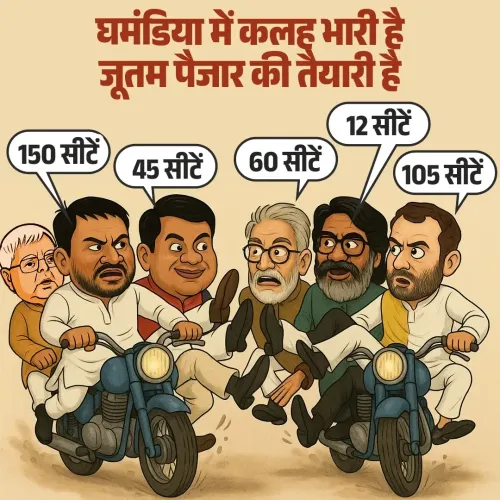
In Bihar, the Rashtriya Janata Dal (RJD), led by Tejashwi Yadav, held greater influence over negotiations within the Mahagathbandhan ahead of the 2025 election. Congress remained a partner in the national INDIA bloc, but was the smaller force in the state alliance.
The dispute centred on the allocation of the state’s 243 Assembly seats. Congress had contested 70 seats in 2020, winning 19, and sought an allocation for 2025 that would allow it to rebuild its state organisation.
RJD leaders argued that the party’s demands exceeded its organisational strength and electoral performance. The eventual arrangement had the RJD contesting about 143 seats and Congress 61, fewer than many state Congress leaders had hoped for.
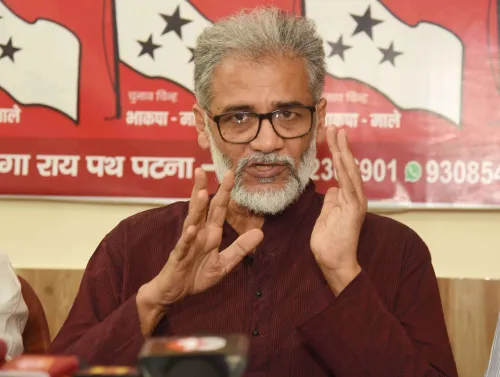
Smaller partners, including Left parties, were accommodated in the alliance, while the Jharkhand Mukti Morcha (JMM) was left out. The settlement reflected the relative influence of the partners in deciding how constituencies would be divided.
Uttar Pradesh negotiations
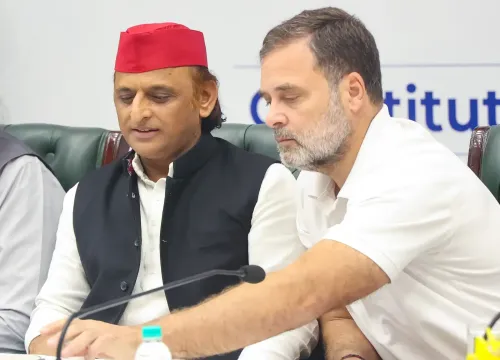
In Uttar Pradesh, Congress is negotiating with the Samajwadi Party (SP), led by Akhilesh Yadav, over seats for the 2027 Assembly election. The state has 403 Assembly constituencies, and the SP has emerged as the principal opposition force against the ruling Bharatiya Janata Party (BJP).
According to reports, Congress sought a triple-digit allocation and submitted lists covering more than 130 constituencies. SP leaders have emphasised winnability and reportedly offered a much smaller share; the source does not specify an agreed allocation.
Congress’s performance in the 2022 Uttar Pradesh Assembly election, when it won two seats and received a marginal vote share, has been cited by allies during negotiations. The party’s demand for a larger share therefore meets an assessment based on its recent electoral record.
How alliance decisions are made
Reports on the Bihar negotiations indicated that designated representatives and party leaders conducted most formal talks, rather than direct negotiations between Congress leader Rahul Gandhi and Tejashwi Yadav. Both leaders were nevertheless described as ultimate political decision-makers whose approval was needed for a final settlement.
The reported process in Uttar Pradesh similarly involves party representatives. The source describes the potential involvement of senior leaders in a final decision as likely, rather than confirmed.
Electoral strength and the next steps
The two negotiations illustrate a distinction between Congress’s role in the national opposition alliance and its position in individual states. In Bihar and Uttar Pradesh, regional parties have taken the lead in state politics and have argued for allocations based on strike rate and winnability.
For Congress, the number of constituencies it contests has implications for its effort to rebuild state organisations as well as for its place within each alliance. In Bihar, allies have questioned whether its organisational machinery supports the share it seeks, even though it retains pockets of influence.
The Uttar Pradesh allocation remains subject to negotiations, and any final agreement will show how the parties reconcile Congress’s reported demands with the SP’s assessment of winnable seats.
Point of View
But an allocation based solely on recent results can leave a smaller ally with little room to recover. The test in Uttar Pradesh is whether the parties can agree on a transparent basis for sharing seats rather than treating numerical demands as a substitute for electoral strategy.
NationPress
24 Nov 2026
Frequently Asked Questions
How many seats did Congress contest in Bihar in 2025?
Congress contested 61 seats under the 2025 Bihar alliance arrangement. The RJD contested about 143 seats.
How many Uttar Pradesh seats has Congress sought for 2027?
Congress has reportedly sought a triple-digit seat allocation for the 2027 Uttar Pradesh Assembly election. Reports say it submitted lists covering more than 130 constituencies, while the SP offered a much smaller share.
Why do the seat-sharing negotiations matter for Congress?
The negotiations affect how many constituencies Congress can contest and its efforts to rebuild its state organisations. In both Bihar and Uttar Pradesh, it is negotiating with a stronger regional ally.
What were Congress’s recent Assembly results in Bihar and Uttar Pradesh?
Congress won 19 seats in Bihar in 2020 and two seats in Uttar Pradesh in 2022. It contested 70 Bihar seats in 2020.
Has the Uttar Pradesh seat-sharing agreement been finalised?
The source does not report a final seat-sharing agreement for Uttar Pradesh. Congress and the SP are described as continuing negotiations for the 2027 election.