Congress slams Delhi restrictions at CJP Jantar Mantar protest, cites 'muzzled democracy'
Synopsis
Congress fired its heaviest political salvo yet over the CJP protest clampdown in Delhi — with Kharge invoking the 'Muzzled Democracy' charge, Tharoor documenting barriers, metro closures and an internet blackout, and Chidambaram alleging the entire security operation was designed to protect the Chief Election Commissioner from public scrutiny.
Key Takeaways
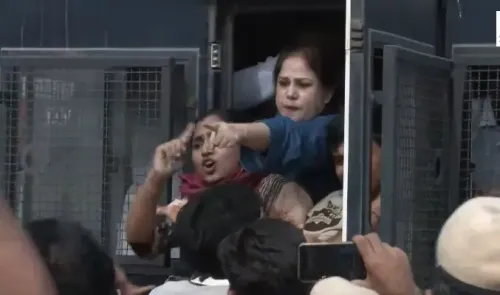
Congress President Mallikarjun Kharge posted on X accusing the government of detaining youth, journalists, lawyers, and activists during the CJP Jantar Mantar protest on 10 October .
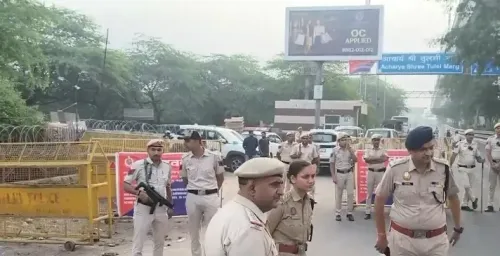
Shashi Tharoor cited checkpoints, concrete barriers, spike strips, train cancellations, metro closures, and a reported internet shutdown across parts of Central Delhi .
Chidambaram alleged the restrictions were aimed at shielding Chief Election Commissioner Gyanesh Kumar from protesters questioning electoral integrity.
Tharoor questioned whether similar restrictions would be imposed if protests resumed on 12 October , signalling continued Opposition mobilisation.
Congress vowed to continue defending the Constitution and fundamental rights alongside a united Opposition.
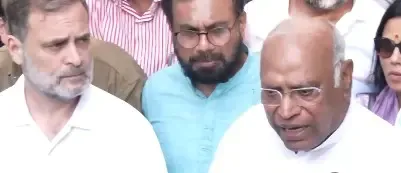
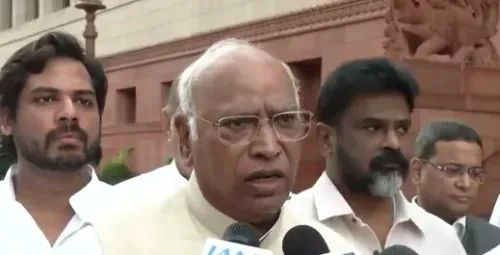
Congress leaders on Saturday, 10 October sharply criticised heavy security restrictions imposed across Central Delhi ahead of a protest by the Cockroach Janata Party (CJP) at Jantar Mantar, alleging that the Union government was suppressing citizens' fundamental rights and silencing legitimate dissent. The condemnation came from the party's top leadership, including Congress President Mallikarjun Kharge, senior Member of Parliament Shashi Tharoor, and former Finance Minister P. Chidambaram.
Kharge Calls It a 'Muzzled Democracy'
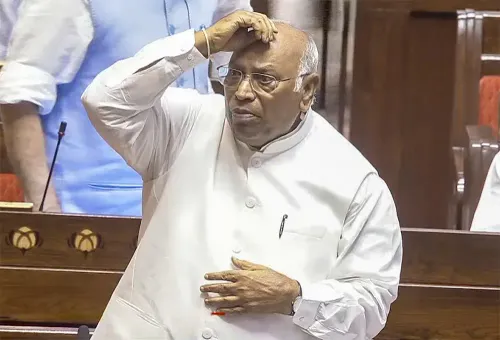
Congress President Mallikarjun Kharge, in a post on social media platform X, alleged that a sweeping range of citizens — including youth, students, lawyers, journalists, social activists, farm union leaders, YouTubers, and content creators — were being detained. “Modi Govt has turned the ‘Mother of Democracy’ into a ‘Muzzled Democracy’,” he wrote.
Kharge further said, “The cowardice of the BJP-RSS is on full display today. Detentions, arrests, jails, lathis and pellets cannot deter the people of India.” He asserted that the Congress Party, alongside a united Opposition, would resist what he termed a “tyrannical regime.”
Tharoor Highlights Movement Curbs and Internet Shutdown
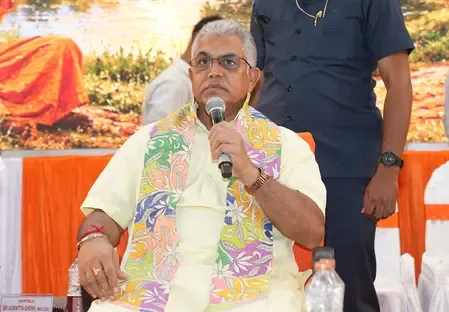
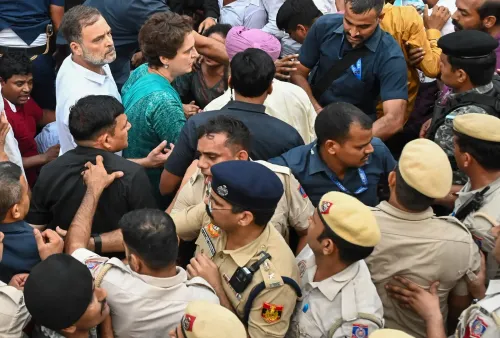
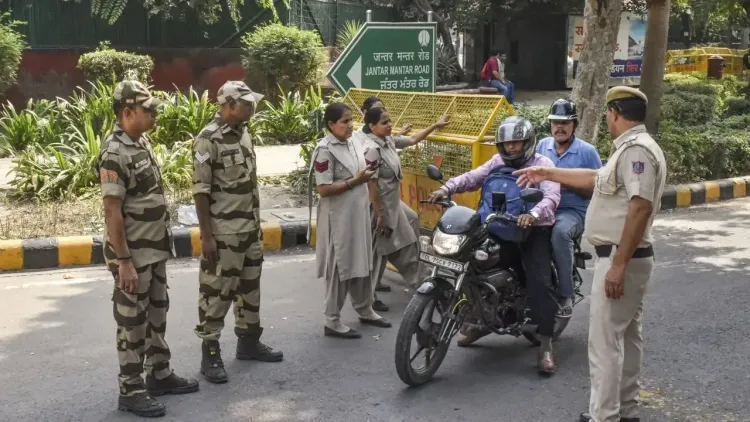
Congress MP Shashi Tharoor cited on-ground conditions in the capital, including checkpoints, concrete barriers, spike strips, and a heavy deployment of police and paramilitary personnel. Tharoor said he had returned to Delhi after 2 a.m. and described the scale of restrictions as something he had rarely witnessed in the city.
He pointed to reports of train cancellations, metro station closures, and individuals allegedly being detained from their homes and streets in and around Delhi. He also criticised the reported suspension of internet services in parts of the national capital.
“Freedom of movement stands completely shackled. Jantar Mantar was designated precisely so that citizens could voice dissent in the centre of Delhi, and today even the roads leading to it have been declared out of bounds,” Tharoor said. He also demanded the release of those detained and questioned whether authorities would impose similar restrictions if protesters returned on 12 October.
Tharoor questioned the prioritisation of security deployment, asking why comparable urgency was not demonstrated when women in the national capital required protection. “Our GenZ deserves better than an undeclared Emer-GenZ,” he said. He argued that a government confident in the fairness of elections should welcome scrutiny rather than respond with force.
Chidambaram Alleges Measures Protect Election Commissioner
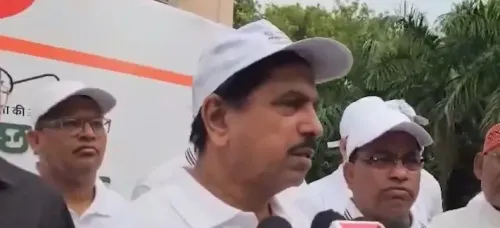
Senior Congress leader P. Chidambaram alleged that the Bharatiya Janata Party (BJP) was going to extraordinary lengths to shield Chief Election Commissioner Gyanesh Kumar. He claimed that metro station closures, the deployment of police from other states, internet shutdowns, and restrictions on peaceful assembly had disrupted ordinary citizens' daily lives.
“The youth are protesting; their minds are protesting; their hearts are protesting; their families are supporting them. And they are the voters in the next election,” Chidambaram said. He warned that the BJP would eventually recognise that suppressing dissent was not a viable path to retaining political power.
Context and What Comes Next
The CJP protest at Jantar Mantar — a site historically designated for public demonstrations in the heart of the capital — drew a security response that Congress characterised as disproportionate. The measures, according to party leaders, affected public transport, internet connectivity, and free movement across Central Delhi. Notably, Tharoor explicitly questioned whether similar restrictions would be imposed again should protests resume on 12 October, signalling the likelihood of continued mobilisation.
With the Congress and the united Opposition publicly committed to escalating pressure, and with questions around electoral integrity forming the backdrop, the coming days will test how the government responds to sustained civic dissent in the capital.
Point of View
Or whether any specific security threat justified the response; that gap leaves its critique one-sided. Chidambaram's claim that the entire operation was designed to protect the Chief Election Commissioner is a serious allegation that demands either substantiation or rebuttal. Most significantly, the invocation of election integrity as the protest's core concern — and the deployment of a 'muzzled democracy' charge at this moment — suggests the Opposition is seeking to build a pre-election narrative around institutional credibility, not just civil liberties.
NationPress
10 Oct 2026
Frequently Asked Questions
What is the CJP protest at Jantar Mantar that triggered the Delhi restrictions?
The Cockroach Janata Party (CJP) organised a protest at Jantar Mantar in Central Delhi on 10 October, reportedly centred on questions about the integrity of elections. The protest prompted authorities to impose extensive security measures across Central Delhi, including barriers, heavy police deployment, and reported internet restrictions.
What did Congress President Mallikarjun Kharge say about the Delhi restrictions?
Kharge, in a post on X, alleged that youth, students, lawyers, journalists, social activists, farm union leaders, and content creators were being detained. He said the government had turned the 'Mother of Democracy' into a 'Muzzled Democracy' and pledged that Congress and the united Opposition would resist what he called a tyrannical regime.
What specific restrictions did Shashi Tharoor describe in Delhi?
Tharoor cited checkpoints, concrete barriers, spike strips, heavy police and paramilitary deployment, train cancellations, metro station closures, reported detentions of young people from their homes, and a suspension of internet services in parts of the national capital. He said he had returned to Delhi after 2 a.m. and had rarely seen such extensive curbs in the city.
Why did P. Chidambaram criticise the security measures?
Chidambaram alleged that the BJP was deploying extraordinary security measures specifically to protect Chief Election Commissioner Gyanesh Kumar from citizens questioning electoral integrity. He also warned that suppressing dissent and denying fundamental rights would not help the ruling party win or retain power.
What happens next after the 10 October protests in Delhi?
Tharoor explicitly raised the possibility of protests resuming on 12 October and questioned whether authorities would impose similar restrictions again. Congress has committed to continuing its opposition alongside a united front, suggesting the political confrontation over civil liberties and electoral accountability is set to intensify.