WPI inflation hits 9.92% for 4th month; Congress slams govt over price surge
Synopsis
For the fourth month running, India's WPI inflation is hovering near 10 per cent — and Congress is making sure the government hears about it. With Brent crude at $110, the Strait of Hormuz choked, and rural wages down 9 per cent in real terms, the wholesale price surge is no longer just a statistical headline. It is a tangible squeeze on household budgets, and the political cost is starting to land.
Key Takeaways
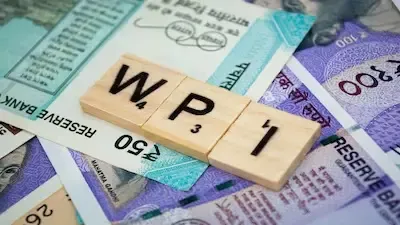
India's WPI inflation rose to 9.92 per cent in August 2026 , up from 9.78 per cent in July — the fourth consecutive month near 10 per cent.
Congress leader Jairam Ramesh cited CMIE data showing inflation-adjusted wages have fallen 5.7 per cent since April, with rural wages down 9 per cent in real terms.
Brent crude jumped to $110 per barrel after Saudi Arabia's East-West pipeline was shut following a drone strike.
Food inflation (WPI) rose to 7.05 per cent ; manufactured products inflation hit a series high of 8.37 per cent .
CPI inflation edged up to 4.82 per cent in August, still within the RBI's 2–6 per cent tolerance band.
RBI Governor Sanjay Malhotra attributed the headline inflation overshoot to higher fuel prices and held the repo rate steady to support growth.
India's wholesale price index (WPI) inflation climbed to 9.92 per cent in August 2026, up from 9.78 per cent in July, according to government data released on Monday, 14 September. The reading marks four consecutive months of WPI hovering near the 10 per cent mark, drawing sharp political fire from the Opposition Indian National Congress (Congress), which accused the government of ignoring widespread price distress.
Congress Attacks Government Over Sustained Inflation
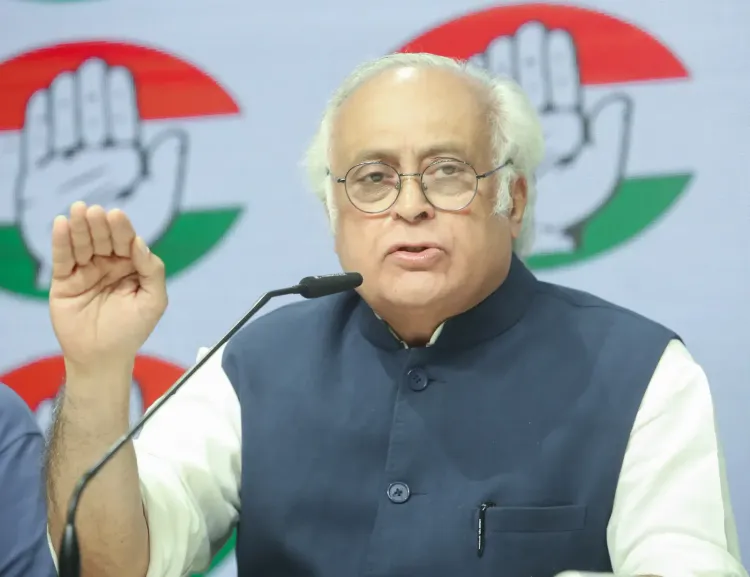
Congress general secretary in-charge of communications Jairam Ramesh posted a pointed broadside on X, saying: ‘Official data just released shows that for four consecutive months now the WPI inflation has been hovering around 10 per cent. Prices of all essential commodities have continued their upward rise, causing huge hardships to crores of families.’
Ramesh further cited data from the Centre for Monitoring Indian Economy (CMIE) to argue that inflation-adjusted wages have fallen by 5.7 per cent since April, compounding the cost-of-living squeeze. He said rural India has been hardest hit, recording a 9 per cent decline in real wages — and even nominal rural wages, he noted, have dropped. ‘The PM keeps saying everything is good, but actually everything is more expensive,’ Ramesh added.
Global Energy Shock Driving Wholesale Prices
The sustained WPI surge is closely linked to a global energy price shock rooted in the ongoing West Asia conflict. The Strait of Hormuz has been disrupted, pushing up crude oil and fertiliser import costs for India. Brent crude spiked further to $110 per barrel on Monday after Saudi Arabia's East-West pipeline was shut following a drone attack earlier this week.
The situation has been further complicated by Houthi rebels in Yemen seizing control of the Red Sea shipping corridor — a critical alternative route for Gulf oil exporters when the Strait of Hormuz is choked. With both pathways under stress simultaneously, supply disruptions are intensifying pressure on global crude prices.
Breakdown of August Inflation Data
Food inflation under the WPI rose to 7.05 per cent in August from 6.65 per cent in July. Inflation in manufactured products reached a series high of 8.37 per cent, up from 8.29 per cent the previous month. The commodities recording the steepest price jumps were silver jewellery, which surged 107.11 per cent, and gold jewellery, which rose 35.55 per cent.
On the retail side, India's Consumer Price Index (CPI) inflation edged up to 4.82 per cent in August on a year-on-year basis, according to the Ministry of Statistics. That figure remains within the Reserve Bank of India's (RBI) tolerance band of 2 to 6 per cent, with a midpoint target of 4 per cent.
RBI Holds Rates, Governor Points to Fuel Prices
RBI Governor Sanjay Malhotra, after the latest monetary policy review, said headline inflation had moved above target primarily because of higher fuel prices, while broader price pressures remained in check. The RBI kept the repo rate unchanged to support economic growth, signalling that it views the current inflation spike as externally driven rather than demand-led.
Notably, this is the fourth successive month in which WPI has remained in the high single digits — a pattern that analysts say reflects the persistence of imported inflation rather than a one-off shock. With global supply routes under continued strain, the trajectory of domestic wholesale prices will depend heavily on how quickly the West Asia situation stabilises.
Point of View
The macro narrative of resilience collides with lived reality for millions of households. The RBI's decision to hold rates is defensible given the external origin of the shock, but it also means monetary policy cannot offer relief. The real question is whether the Centre has any fiscal lever left — fuel duty cuts, fertiliser subsidy top-ups — or whether it is waiting out the geopolitical storm at the cost of rural purchasing power.
NationPress
14 Sept 2026
Frequently Asked Questions
What is India's WPI inflation in August 2026?
India's wholesale price index (WPI) inflation rose to 9.92 per cent in August 2026, up from 9.78 per cent in July, according to government data released on 14 September. This is the fourth consecutive month the figure has hovered near 10 per cent.
Why is WPI inflation rising in India?
The primary driver is a global energy price shock linked to the West Asia conflict, which has disrupted the Strait of Hormuz and, most recently, Saudi Arabia's East-West pipeline after a drone attack. Higher crude oil and fertiliser import costs have pushed up wholesale prices across fuel, manufactured goods, and food.
What did Congress's Jairam Ramesh say about WPI inflation?
Congress general secretary Jairam Ramesh posted on X that WPI inflation has hovered around 10 per cent for four consecutive months and that CMIE data shows inflation-adjusted wages have fallen 5.7 per cent since April, with rural wages down 9 per cent in real terms. He said the PM's optimism was at odds with the reality of rising prices for ordinary families.
What is India's CPI retail inflation in August 2026?
CPI retail inflation edged up to 4.82 per cent in August 2026 on a year-on-year basis. The figure remains within the Reserve Bank of India's tolerance band of 2 to 6 per cent, with a midpoint target of 4 per cent.
What has the RBI done in response to rising inflation?
The RBI held the repo rate unchanged at its latest monetary policy review, prioritising economic growth. Governor Sanjay Malhotra said headline inflation had moved above target mainly due to higher fuel prices, while broader price pressures remained contained, suggesting the central bank views the spike as externally driven.