WPI inflation surges to 8.3% in April 2026 as fuel, energy prices spike
Synopsis
India's wholesale inflation more than doubled in a single month — from 3.88% in March to 8.3% in April 2026 — as crude petroleum inflation exploded to 67.18% and the Fuel and Power index surged nearly 25 times its March rate. The spike is a direct transmission of global energy market stress into India's industrial cost base, and the ripple into textiles, metals, and chemicals suggests the pressure is far from contained.
Key Takeaways
WPI inflation surged to 8.3 per cent in April 2026 , up from 3.88 per cent in March 2026 .
The WPI Fuel and Power group recorded inflation of 24.71 per cent in April, against just 1.05 per cent in March.
Crude petroleum and natural gas inflation jumped to 67.18 per cent ; petrol and high-speed diesel rose 32.40 per cent and 25.19 per cent respectively.
Manufactured Products inflation rose to 4.62 per cent , with textiles at 7.30 per cent , basic metals at 7.00 per cent , and chemicals at 5.09 per cent .
The provisional WPI All Commodities index stood at 167.0 in April, up from 160.8 in March.
The final WPI for February 2026 was revised to 2.26 per cent .
India's Wholesale Price Index (WPI) inflation jumped to 8.3 per cent in April 2026 on a year-on-year basis, up sharply from 3.88 per cent in March 2026, driven primarily by a steep rise in fuel and energy-related prices. Industry chambers on Thursday attributed the surge to elevated crude petroleum costs, supply disruptions, and tightening global energy markets — pressures that are now feeding through to manufacturing input costs across multiple sectors.
Fuel and Energy: The Primary Driver
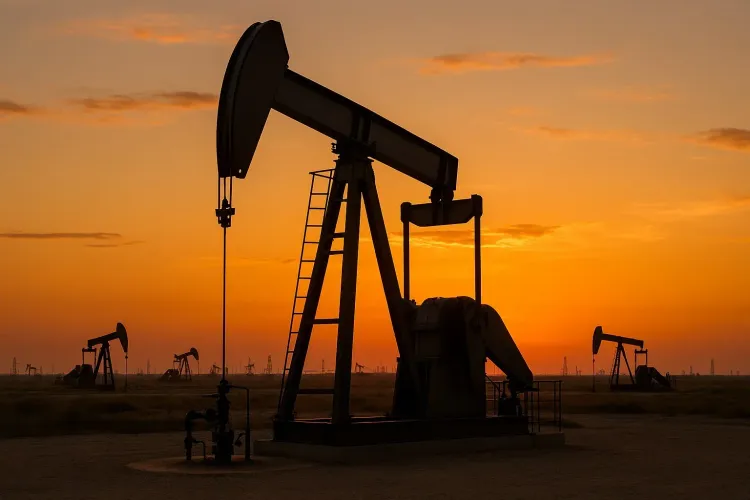
The WPI Fuel and Power group recorded inflation of 24.71 per cent in April, a dramatic acceleration from just 1.05 per cent in March. Within this group, crude petroleum and natural gas inflation surged to 67.18 per cent, while petrol and high-speed diesel inflation climbed to 32.40 per cent and 25.19 per cent, respectively.
On a month-on-month basis, the headline WPI rose 3.86 per cent in April over March, with the Fuel and Power segment registering a substantial monthly jump of 18.22 per cent. The provisional WPI index for All Commodities stood at 167.0 in April 2026, up from 160.8 in March 2026.
Manufacturing and Primary Articles Under Pressure
Manufactured Products inflation strengthened to 4.62 per cent in April, reflecting broad-based cost increases across industrial segments. Basic metals inflation rose to 7.00 per cent, textiles to 7.30 per cent, and chemicals and chemical products to 5.09 per cent, signalling rising cost pressures throughout industrial supply chains.
Primary Articles inflation increased to 9.17 per cent, supported by higher prices in crude petroleum, natural gas, food articles, and minerals. Notably, food-related wholesale inflation remained relatively moderate compared with recent periods of heightened volatility, according to Rajeev Juneja, President, PHD Chamber of Commerce and Industry (PHDCCI).
Global Energy Markets Behind the Spike
Global Brent crude prices witnessed a significant surge during the period, reflecting heightened geopolitical risk, supply disruptions, and tightening global energy market conditions, Juneja said. This international price transmission has been a key amplifier of domestic wholesale price pressures, particularly in petroleum-linked commodity chains.
This comes amid a broader global environment where energy price volatility has remained elevated through the first half of 2026, affecting economies that are net importers of crude — India chief among them.
What Industry and Experts Are Watching Next
'Going forward, movements in global energy prices, commodity markets, and supply chain conditions will remain important determinants of wholesale price trends. The evolving trajectory of fuel costs and transmission into manufacturing and transport sectors will continue to be monitored closely in the coming months,' said Dr Ranjeet Mehta, Secretary General and CEO, PHDCCI.
The final WPI inflation rate for February 2026 was revised to 2.26 per cent, providing a baseline reference for the current acceleration. With global crude markets remaining unpredictable and domestic fuel prices exposed to international benchmarks, wholesale inflation is expected to stay elevated in the near term unless energy costs moderate.
Point of View
The transmission risk to retail prices and manufacturing margins is acute. India's CPI trajectory, which policymakers have so far managed with relative comfort, could face fresh upward pressure if fuel costs stay elevated and producers begin passing through input cost increases. The RBI's rate path, already complicated by global uncertainty, now has another variable to navigate. The real concern is the second-order effect: rising transport and energy costs feeding into food distribution and logistics costs — the very segment that kept food WPI moderate this month.
NationPress
25 Sept 2026
Frequently Asked Questions
What is WPI inflation and why did it rise sharply in April 2026?
WPI, or Wholesale Price Index inflation, measures price changes at the producer or wholesale level across commodities. In April 2026, India's WPI inflation surged to 8.3 per cent year-on-year from 3.88 per cent in March, primarily because of a steep spike in fuel and energy prices, especially crude petroleum and natural gas.
How much did fuel and energy prices contribute to the WPI spike?
The WPI Fuel and Power group recorded inflation of 24.71 per cent in April 2026, up from just 1.05 per cent in March. Within this, crude petroleum and natural gas inflation jumped to 67.18 per cent, while petrol and high-speed diesel rose 32.40 per cent and 25.19 per cent respectively.
Which manufacturing sectors saw higher costs due to rising WPI?
Manufactured Products inflation rose to 4.62 per cent in April 2026, with textiles at 7.30 per cent, basic metals at 7.00 per cent, and chemicals and chemical products at 5.09 per cent — indicating broad-based cost pressures across industrial supply chains.
Was food inflation also high in April 2026 WPI data?
Food-related wholesale inflation remained relatively moderate in April 2026 compared with recent periods of elevated volatility, according to PHDCCI. Primary Articles inflation overall rose to 9.17 per cent, but this was driven more by crude petroleum, natural gas, and minerals than by food articles alone.
What is the outlook for WPI inflation in the coming months?
Industry experts say movements in global energy prices, commodity markets, and supply chain conditions will remain key determinants of wholesale price trends. PHDCCI's Dr Ranjeet Mehta noted that the trajectory of fuel costs and their transmission into manufacturing and transport will be closely monitored in the months ahead.