India WPI inflation jumps to 8.3% in April on global oil price spike
Synopsis
India's wholesale inflation more than doubled in a single month — from 3.88% to 8.3% — as crude oil and natural gas prices surged nearly 30% on Middle East conflict fears. Yet retail inflation held at 3.48%, because the government absorbed the shock rather than passing it to consumers. That buffer is real, but it is not free.
Key Takeaways
India's WPI inflation rose to 8.3 per cent in April year-on-year, up sharply from 3.88 per cent in March.
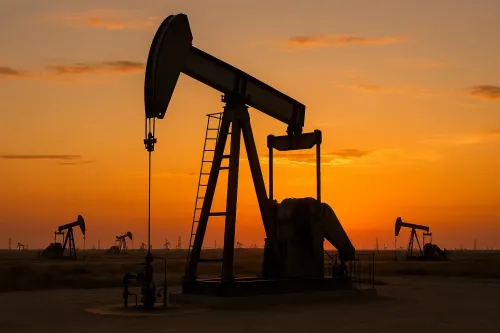
Crude oil and natural gas prices surged 29.37 per cent month-on-month, driven by the Middle East conflict .
The fuel and power group's WPI rose 18.22 per cent sequentially in April.
Manufactured products (weight: 64.23% of WPI) rose 1.4 per cent month-on-month; 21 of 22 tracked products saw price increases.
CPI retail inflation stayed at 3.48 per cent in April as the government did not pass on fuel hikes to consumers.
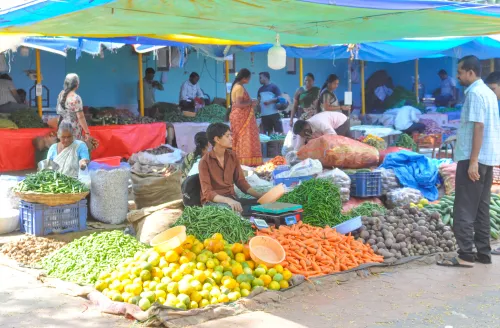
Silver jewellery prices jumped 144.34 per cent and tomato prices rose 35.28 per cent , while potato and onion prices declined sharply.
India's Wholesale Price Index (WPI) inflation surged to 8.3 per cent in April on a year-on-year basis, more than doubling from 3.88 per cent recorded in March, driven primarily by a sharp rise in fuel and crude oil prices amid the ongoing Middle East conflict, according to a statement released by the Ministry of Commerce and Industry on Thursday, 14 May. The spike marks one of the steeper single-month accelerations in wholesale prices in recent memory.
Fuel and Power Drive the Surge
The month-on-month WPI inflation in the fuel and power group jumped 18.22 per cent in April compared to March. The primary driver was a 29.37 per cent surge in the price of crude oil and natural gas, directly linked to supply anxieties stemming from the Middle East crisis. A decline of 2.53 per cent in electricity prices partially cushioned the impact, but was insufficient to offset the broader fuel shock.
Manufactured Products and Food Index
The manufactured products sub-index — which carries the highest weight of 64.23 per cent in the overall WPI basket — rose 1.4 per cent month-on-month in April. Of the 22 products tracked within this group, 21 recorded price increases, with only one posting a decline. The Food Index, covering cereals, pulses, and manufactured food products, rose 2.31 per cent sequentially in April. WPI food inflation, however, remained steady at 1.85 per cent year-on-year in March, the latest comparable figure available.
Retail Inflation Stays Contained
India's retail inflation, measured by the Consumer Price Index (CPI), was recorded at 3.48 per cent in April year-on-year, according to data released by the Ministry of Statistics earlier in the week — broadly steady against 3.4 per cent in March. Notably, CPI inflation for electricity, gas, and other fuels remained subdued at 1.71 per cent in April, as the government chose not to pass on the global oil price hike to end consumers. This policy buffer has so far insulated household budgets from the full force of the commodity shock.
Precious Metals and Vegetable Prices in Focus
Among individual commodities, silver jewellery posted the sharpest price jump of the month at 144.34 per cent, followed by gold jewellery at 40.72 per cent — reflecting a broader global rally in precious metals. On the food side, overall CPI food inflation stood at 4.2 per cent in April. Potato prices fell sharply by 23.69 per cent and onion prices declined by 17.67 per cent, while chickpea and peas also turned cheaper. Bucking the trend, tomato prices shot up by 35.28 per cent during the month.
What to Watch Next
The divergence between a surging WPI and a contained CPI underscores the government's active role in shielding consumers — a stance that carries fiscal costs if oil prices remain elevated. Analysts will be watching whether sustained crude price pressure eventually forces a pass-through to retail fuel prices, which could push CPI higher in the coming months. The trajectory of the Middle East conflict and any OPEC+ supply response will be key variables in the near-term inflation outlook.
Point of View
But the real story is the growing wedge between wholesale and retail inflation. The government is absorbing a significant crude oil shock at the fiscal level to keep CPI contained — a choice that buys political stability but defers the pain. If Middle East tensions persist and crude stays elevated, that subsidy buffer will face mounting pressure. The more important question is not where WPI is today, but when — and how abruptly — the pass-through to retail prices arrives.
NationPress
24 Sept 2026
Frequently Asked Questions
What is WPI inflation and why did it rise in April?
WPI inflation measures price changes at the wholesale level across goods before they reach consumers. India's WPI inflation rose to 8.3 per cent in April year-on-year, primarily because crude oil and natural gas prices surged 29.37 per cent amid the Middle East conflict, pushing the fuel and power sub-index up 18.22 per cent month-on-month.
Why is retail (CPI) inflation lower than WPI inflation in April?
CPI inflation remained at 3.48 per cent in April because the government chose not to pass on the global oil price increase to consumers, keeping CPI fuel inflation subdued at 1.71 per cent. The government absorbed the cost difference, shielding household budgets from the full impact of the commodity shock.
Which commodities saw the biggest price increases in April?
Silver jewellery recorded the highest price jump at 144.34 per cent, followed by gold jewellery at 40.72 per cent. Among food items, tomato prices rose 35.28 per cent. On the other side, potato prices fell 23.69 per cent and onion prices declined 17.67 per cent.
How does April's WPI compare to the previous month?
April's WPI inflation of 8.3 per cent is significantly higher than the 3.88 per cent recorded in March, representing a more than doubling of the wholesale price pressure in a single month, driven almost entirely by the fuel and power segment.
What is the outlook for India's inflation in the coming months?
The near-term outlook depends heavily on the trajectory of the Middle East conflict and any OPEC+ supply response. If crude prices remain elevated and the government eventually passes on the cost to consumers, CPI inflation could rise in subsequent months. Analysts are watching the next fuel pricing decision as a key indicator.