Rajya Sabha oath: CP Radhakrishnan swears in 2 new MPs on 15 July
Synopsis
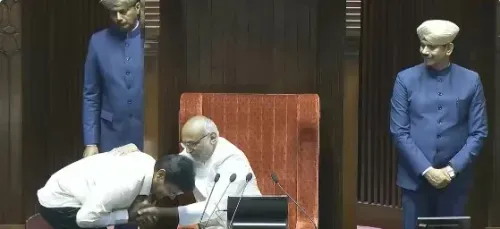
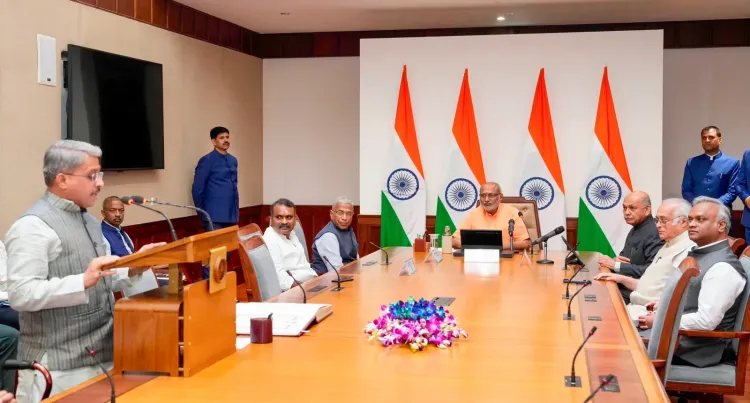
Vice President CP Radhakrishnan swore in two new Rajya Sabha members on 15 July — one from Congress, one from BJP — continuing a wave of Upper House inductions after the recently concluded Rajya Sabha elections. The ceremony at Parliament House was attended by Deputy Chairman Harivansh, MoS L. Murugan, and senior Congress leader Jairam Ramesh.
Key Takeaways
VP CP Radhakrishnan administered the oath of office to two new Rajya Sabha MPs on 15 July at Parliament House.
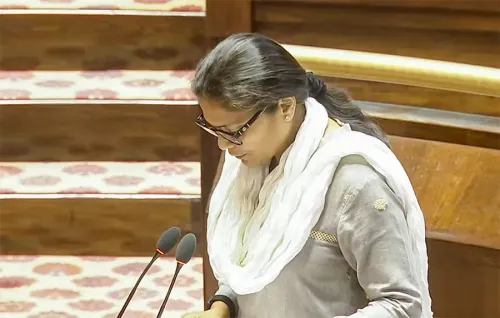
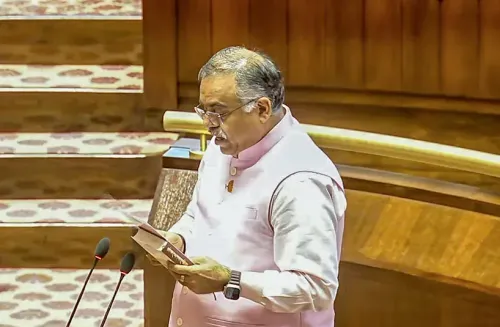
Mansoor Ali Khan (Congress, Karnataka) took the oath in English ; Rajnish Kumar Agrawal (BJP, Madhya Pradesh) was sworn in in Hindi .
Both members are now formally eligible to participate in all Rajya Sabha proceedings.
The ceremony was attended by Deputy Chairman Harivansh , MoS L.
Murugan , and Jairam Ramesh .
On 29 June , the Vice President had already sworn in seven other newly elected or re-elected Rajya Sabha members.
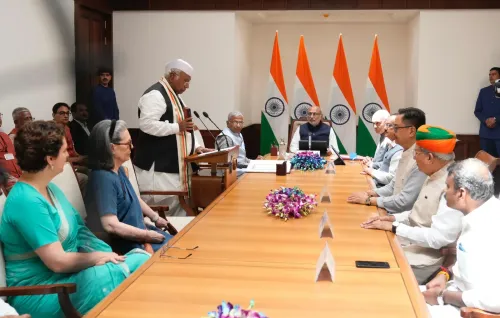
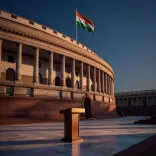
Rajya Sabha Chairman and Vice President of India CP Radhakrishnan administered the oath of office and secrecy to two newly elected members at Parliament House on Wednesday, 15 July. The swearing-in formally inducted both MPs into the Upper House, making them eligible to participate in Rajya Sabha proceedings.
The Two New Members
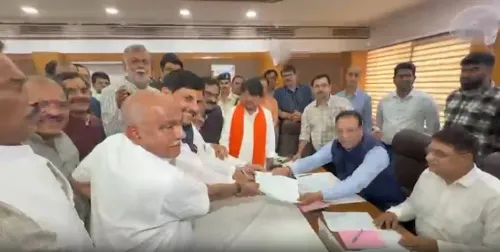
Mansoor Ali Khan, elected from Karnataka on a Indian National Congress (Congress) ticket, took the oath in English. Rajnish Kumar Agrawal, elected from Madhya Pradesh representing the Bharatiya Janata Party (BJP), was sworn in using Hindi. Both members pledged to discharge their parliamentary responsibilities with full commitment and devotion.
Who Attended the Ceremony
The swearing-in ceremony at Parliament House was attended by senior dignitaries. Rajya Sabha Deputy Chairman Harivansh was present, along with L. Murugan, Minister of State for Parliamentary Affairs and Information and Broadcasting. Rajya Sabha member Jairam Ramesh and senior officials from the Secretariat were also in attendance.
Context: A Series of Rajya Sabha Inductions
This ceremony follows a broader wave of Rajya Sabha inductions stemming from recently concluded Upper House elections. On 29 June, Vice President Radhakrishnan had administered the oath to seven newly elected and re-elected members. Those sworn in on that occasion included Jitendra Meghjibhai Kanjariya and Mansinh Meraman Parmar from Gujarat, and M. Nagaraja from Karnataka. Also sworn in were Tarun Chugh from Madhya Pradesh, Rajendra Hiralal Jain from Maharashtra, Adhikarimayum Sharda Devi from Manipur, and Dr Alka Singh from Rajasthan.
What This Means for the Upper House
The addition of Khan and Agrawal reflects the ongoing replenishment of the 245-seat Rajya Sabha following biennial elections. Notably, the two new members represent opposite ends of the political spectrum — Congress from the Opposition and BJP from the ruling alliance — underscoring the Upper House's role as a chamber that mirrors the diversity of state-level electoral outcomes. Both members are now formally empowered to speak, vote, and participate in committee proceedings.
Point of View
Two more on 15 July — signal that the post-election Rajya Sabha reconstitution is still playing out. What is worth tracking is the net arithmetic shift in the Upper House: each addition from either the ruling alliance or the Opposition subtly alters the balance on key legislative votes. With the BJP adding Agrawal from Madhya Pradesh and Congress adding Khan from Karnataka, the net change is a wash on paper — but the cumulative effect of this election cycle on Upper House dynamics deserves closer scrutiny than routine oath ceremonies typically receive.
NationPress
13 Oct 2026
Frequently Asked Questions
Who were the two new Rajya Sabha members sworn in on 15 July?
The two new members are Mansoor Ali Khan, elected from Karnataka on a Congress ticket, and Rajnish Kumar Agrawal, elected from Madhya Pradesh as a BJP member. Both were administered the oath by Vice President CP Radhakrishnan at Parliament House.
Who administered the oath to the new Rajya Sabha members?
Rajya Sabha Chairman and Vice President of India CP Radhakrishnan administered the oath of office and secrecy to both members on 15 July at Parliament House, New Delhi.
What does taking the Rajya Sabha oath mean for the new members?
Once sworn in, members become formally eligible to participate in all Rajya Sabha proceedings, including debates, votes, and parliamentary committee work.
Were there other Rajya Sabha oath ceremonies recently?
Yes. On 29 June, Vice President Radhakrishnan administered the oath to seven newly elected and re-elected members from Gujarat, Karnataka, Madhya Pradesh, Maharashtra, Manipur, and Rajasthan, as part of the same post-election induction cycle.
Which parties do the new members represent?
Mansoor Ali Khan represents the Indian National Congress from Karnataka, while Rajnish Kumar Agrawal is a Bharatiya Janata Party member from Madhya Pradesh.