CM Haryana: PM Modi to flag off India's first hydrogen train from Jind
Synopsis
The Chief Minister's Office of Haryana announced that PM Modi will flag off India's first hydrogen train from Jind on 17 July 2026, calling it a historic milestone for clean energy and modern rail technology under Atmanirbhar Bharat.
Key Takeaways
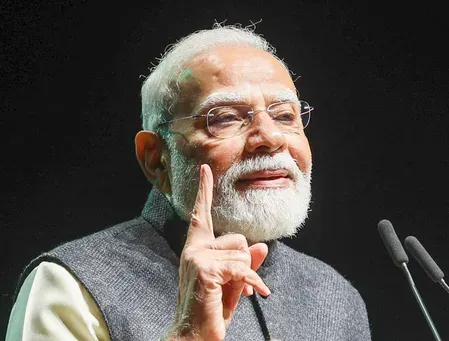
PM Narendra Modi will flag off India's first hydrogen train from Jind, Haryana on 17 July 2026 .
The announcement was made by the Chief Minister's Office of Haryana on 15 July 2026 .
The CMO described the event as a 'historic milestone' for modern technology, clean energy, and Atmanirbhar Bharat .
Indian Railways has a stated net-zero carbon emissions target by 2030 , with hydrogen trains forming part of that roadmap.
The National Green Hydrogen Mission , approved in 2023 , includes dedicated provisions for hydrogen pilot projects in rail mobility.
A successful pilot could position India alongside nations such as Germany and China that have operationalised hydrogen trains at scale.
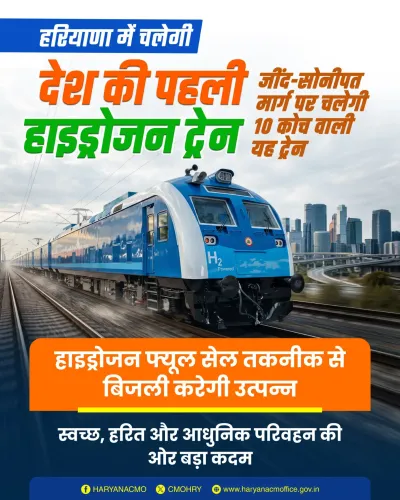
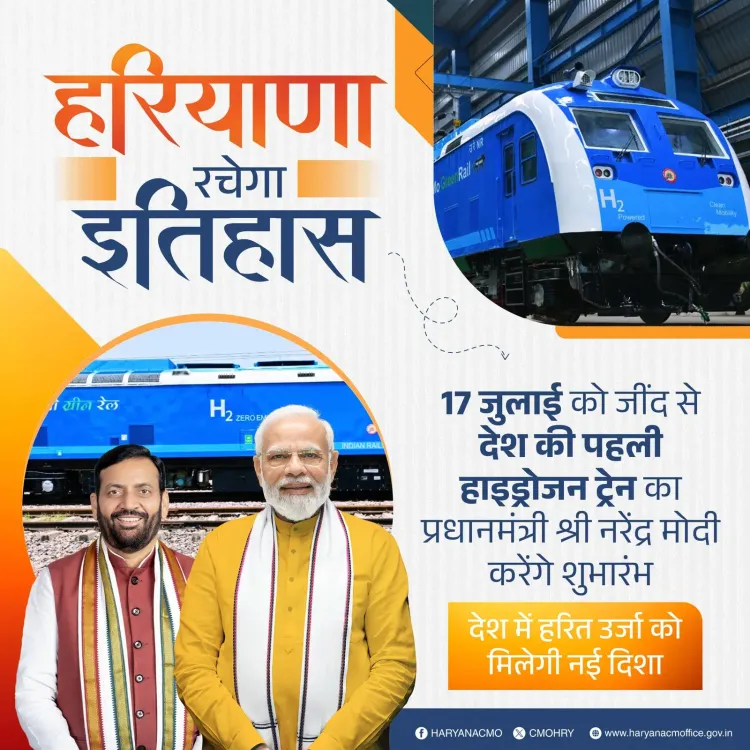
The Chief Minister's Office of Haryana announced on Wednesday, 15 July 2026 that Prime Minister Narendra Modi will flag off India's first hydrogen train from Jind, Haryana, on 17 July 2026, marking what the office described as a historic milestone in the country's clean-energy and rail modernisation journey.
The post, shared in Hindi, states: 'हरियाणा से शुरू होगी भारत की हरित रेल क्रांति' — 'India's green rail revolution will begin from Haryana.' The CMO called the event 'a historic milestone in the direction of modern technology, clean energy, and Atmanirbhar Bharat.'
Context
Jind, a district in central Haryana, has been identified as the launch point for the country's first hydrogen-propelled passenger train run on the Indian rail network. The flag-off is scheduled for 17 July 2026, with PM Modi personally presiding over the ceremony. The choice of Haryana as the origin state underscores the region's growing role in India's infrastructure showcase events.
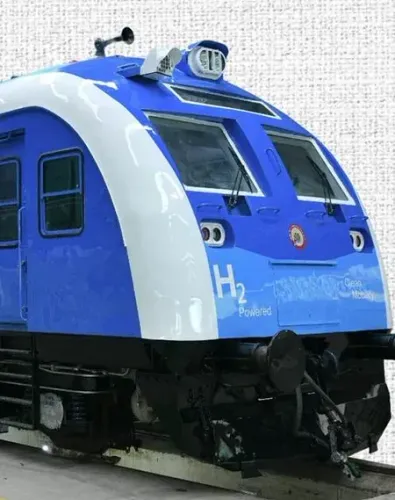
Hydrogen trains use fuel-cell technology to generate electricity on board, emitting only water vapour — a significant departure from diesel traction that still powers a sizeable share of India's rail network. The announcement positions this launch as the beginning of what the CMO termed a 'harit rail kranti' — a green rail revolution.
Policy Backdrop
Indian Railways set a net-zero carbon emissions target by 2030, with hydrogen fuel-cell propulsion identified as one of the pathways to achieve it alongside aggressive electrification. The National Green Hydrogen Mission, approved in 2023, included dedicated provisions for pilot projects in rail mobility, providing the policy scaffolding for this launch.
The Jind flag-off is consistent with the broader Atmanirbhar Bharat push for indigenous clean-technology solutions. Indian Railways has progressively shifted from diesel to electric traction over the past decade, and hydrogen propulsion represents the next frontier in that transition — one that also addresses energy-security concerns by reducing dependence on imported fossil fuels.
Stakeholders and Impact
Rail passengers across the country stand to benefit if the hydrogen train pilot demonstrates viable performance, potentially unlocking cleaner travel on routes not yet electrified. The renewable energy industry — particularly green hydrogen producers — is watching closely, as a successful rail deployment could catalyse large-scale procurement and bring down production costs through economies of scale.
Northern India's industrial and agricultural belts, which rely heavily on rail freight and passenger connectivity, could be early beneficiaries of expanded hydrogen-train corridors if the Jind pilot leads to wider rollout. The event also carries political significance for Haryana, lending the state a prominent place in India's clean-technology narrative.
What's Next
Attention will now turn to performance data from the initial commercial runs — reliability, range, refuelling turnaround, and passenger capacity — which will determine whether subsequent hydrogen rakes are ordered through forthcoming railway budgets or mission reviews. Analysts and policymakers will also monitor whether the National Green Hydrogen Mission allocates additional funds to scale hydrogen refuelling infrastructure along rail corridors.
If the pilot succeeds, India could join a small group of nations — including Germany and China — that have operationalised hydrogen trains at scale, reinforcing the country's credentials as a serious player in the global clean-energy transition.
Point of View
A politically competitive state, is a deliberate choice that reinforces the ruling dispensation's infrastructure-and-innovation brand ahead of future electoral cycles. The event also signals that the National Green Hydrogen Mission is moving from policy document to physical deployment, a transition that has been slower than initially projected across most sectors. For Indian Railways, hydrogen propulsion offers a credible answer to the electrification gap on low-density routes where overhead wires remain uneconomical. The broader arc here is India's attempt to leapfrog incremental fossil-fuel reduction and position itself as a first-mover in hydrogen mobility within the Global South.
NationPress
15 Jul 2026
Frequently Asked Questions
What is India's first hydrogen train and where will it be launched?
India's first hydrogen train will be flagged off from Jind, Haryana by PM Narendra Modi on 17 July 2026 , as announced by the Chief Minister's Office of Haryana.
How does a hydrogen train work?
A hydrogen train uses fuel-cell technology to convert hydrogen into electricity on board, powering the motors and emitting only water vapour — making it a zero-direct-emission alternative to diesel traction.
What is the National Green Hydrogen Mission?
The National Green Hydrogen Mission is a central government programme approved in 2023 to scale the production and use of green hydrogen across sectors, including dedicated provisions for pilot projects in rail mobility.
What is Indian Railways' emissions target?
Indian Railways has committed to achieving net-zero carbon emissions by 2030 , with hydrogen fuel-cell trains and continued electrification among the key strategies to meet that goal.
Why is the hydrogen train being launched from Haryana?
The Chief Minister's Office of Haryana announced Jind as the launch point; Haryana fits an established pattern of piloting major rail and infrastructure projects in northern India before wider national rollout.