Assam floods: CPI(ML) urges Centre to declare national calamity
Synopsis
With 75 lives lost and seven districts submerged, CPI(ML) Liberation is pointing beyond the monsoon — alleging that riverbed mining along the Assam–Nagaland border and decades of neglected embankments turned a seasonal flood into a humanitarian crisis. The party's demand for a national calamity declaration puts the Centre under direct political pressure to act.
Key Takeaways
CPI(ML) Liberation on 29 July demanded the Centre declare Assam floods a 'national calamity' .
Around 75 people have died, with seven districts — including Sivasagar , Nagaon , and Kamrup — severely affected.
The party alleged that large-scale stone and sand mining along the Assam–Nagaland border aggravated the flooding.
Ageing embankments, upstream deforestation, and climate change-induced rainfall were also cited as contributing factors.
The CPI(ML) called for a high-level scientific commission to investigate causes and recommend long-term flood mitigation strategies.
No formal response from the Union government has been issued as of the statement date.
The Communist Party of India (Marxist-Leninist) Liberation on Wednesday demanded that the Centre declare the ongoing floods in Assam a 'national calamity', alleging that the disaster has been compounded not just by heavy rainfall but by unchecked riverbed mining, environmental degradation, and crumbling flood-control infrastructure. The party's Central Committee issued the demand as floodwaters continued to ravage multiple districts across the state.
Scale of the Disaster
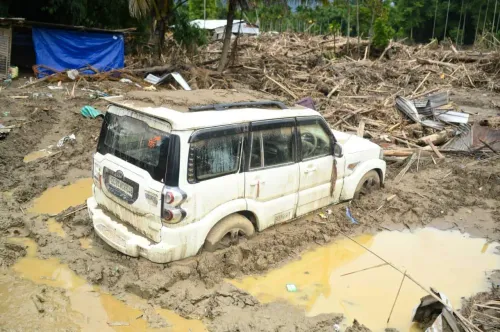
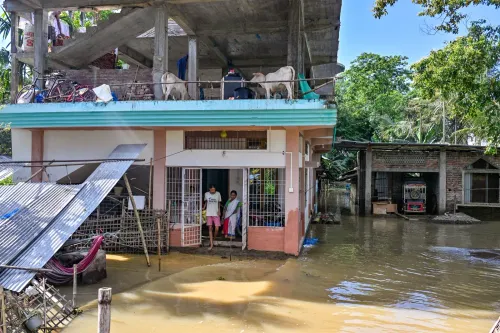
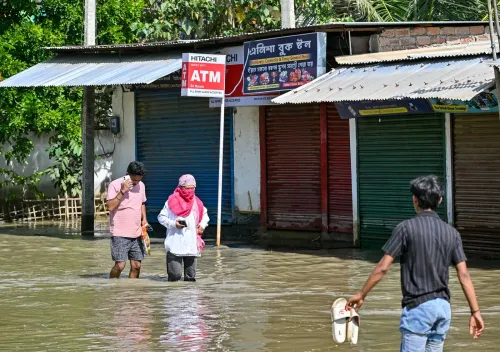
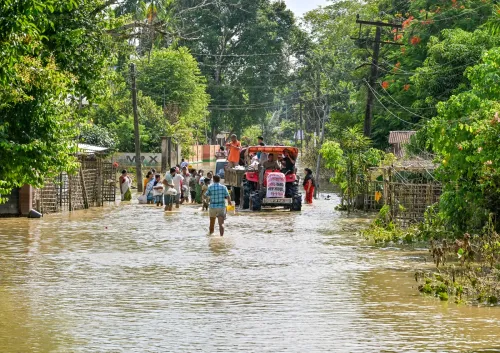
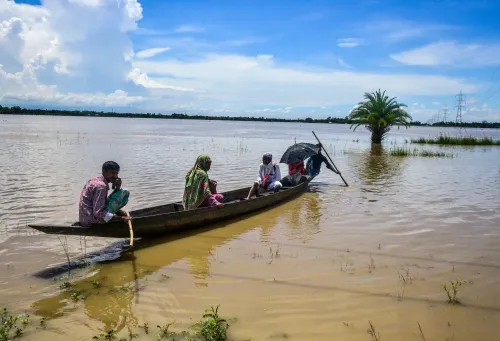
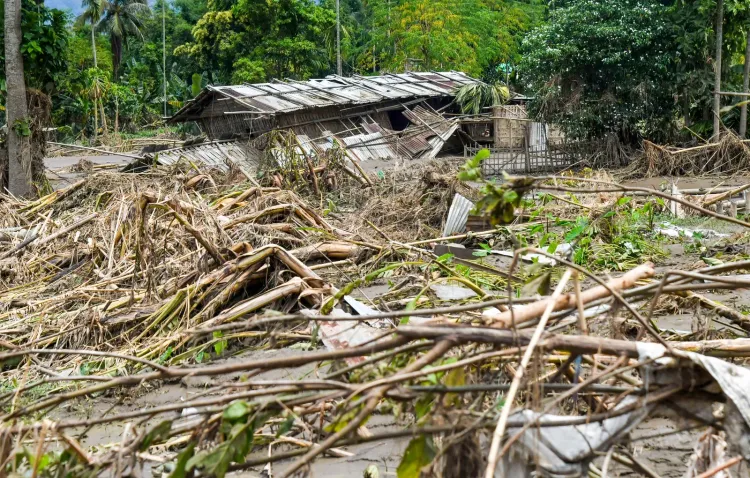
According to the party's statement, seven districts — Sivasagar, Charaideo, Golaghat, Jorhat, Nagaon, Sonitpur, and Kamrup — have been severely affected in the latest wave of flooding. Around 75 people have lost their lives, and thousands of residents have been displaced or impacted. Sivasagar district has reportedly emerged as the worst-hit zone, with extensive damage to homes, agricultural land, and public infrastructure.
What Worsened the Floods
While the party acknowledged that heavy rainfall in neighbouring Nagaland and adjoining regions contributed to the flooding, it alleged that large-scale extraction of stone and sand from riverbeds along the Assam–Nagaland border significantly worsened the inundation. The statement also pointed to upstream deforestation, ageing embankments, and climate change-induced extreme rainfall as compounding factors — arguing that these elements have collectively transformed a recurring seasonal hazard into a full-scale humanitarian crisis.
This comes amid Assam's well-documented vulnerability to annual monsoon flooding driven by the Brahmaputra river and its tributaries. Critics and environmental groups have long flagged that inadequate infrastructure investment and unregulated sand mining accelerate riverbank erosion and flood severity — concerns now echoed by the CPI(ML) in its latest statement.
Key Demands from CPI(ML)
The party has put forward a multi-point set of demands directed at the Union government. These include the immediate declaration of the floods as a national calamity, the mobilisation of all available resources for relief, rescue, and rehabilitation, and comprehensive financial compensation for affected families — including assistance for kin of the deceased, treatment for the injured, and reconstruction of damaged homes.
The CPI(ML) also called for restoration of livelihoods and long-term rehabilitation measures for displaced residents. Notably, the party urged the constitution of a high-level scientific commission to investigate the root causes of the disaster and recommend sustainable, evidence-based strategies to reduce Assam's flood vulnerability over the long term.
Ground Situation and What Comes Next
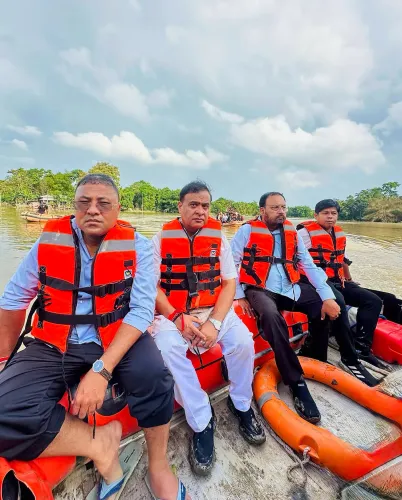
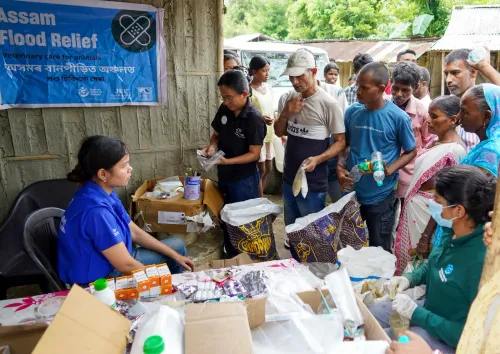
State authorities have been engaged in ongoing relief and rescue operations, with water levels remaining high across several affected areas as of the party's statement on 29 July. The demand for a national calamity declaration — which would unlock additional federal resources and a structured rehabilitation framework — has not yet received a formal response from the Centre. With the monsoon season still active, further deterioration of conditions in low-lying and riverine areas remains a concern.
Point of View
But the underlying argument — that human activity has amplified a natural hazard — is not new and not without evidence. Assam's flood losses have grown even as disaster management budgets have risen, suggesting that spending alone is not the variable. The allegation of riverbed mining along the Assam–Nagaland border deserves independent scrutiny: if verified, it implicates both state and central regulatory agencies. A scientific commission, as demanded, would only matter if its findings are binding — India has no shortage of expert reports on Brahmaputra flooding that were shelved after submission.
NationPress
28 Oct 2026
Frequently Asked Questions
Why is CPI(ML) Liberation demanding Assam floods be declared a national calamity?
The party argues that the scale of destruction — around 75 deaths and severe impact across seven districts — warrants federal-level intervention beyond routine state disaster response. It also alleges that human factors such as riverbed mining and neglected embankments have made the disaster worse than it needed to be.
Which districts in Assam are worst affected by the 2025 floods?
Seven districts have been identified as severely affected: Sivasagar, Charaideo, Golaghat, Jorhat, Nagaon, Sonitpur, and Kamrup. Sivasagar has reportedly suffered the most extensive damage to homes, farmland, and infrastructure.
What role does mining allegedly play in the Assam floods?
According to the CPI(ML) statement, large-scale extraction of stone and sand from riverbeds along the Assam–Nagaland border has destabilised river channels and worsened inundation. The party has called for this to be investigated by a high-level scientific commission.
What compensation has CPI(ML) demanded for flood victims?
The party has called for financial assistance for families of the deceased, medical treatment for the injured, reconstruction of damaged homes, restoration of livelihoods, and comprehensive long-term rehabilitation — all to be mobilised under a national calamity declaration.
Has the Centre responded to the national calamity demand?
As of 29 July, the Union government had not issued a formal response to the CPI(ML)'s demand. State authorities have been conducting relief and rescue operations, with water levels still high in many affected areas.