CR Paatil Distributes Grain Kits in Limbayat, Surat
Synopsis
Union Jal Shakti Minister C. R. Paatil documented a grain-kit distribution drive in Geetanagar and Godadara of Surat's Limbayat Vidhan Sabha on 11 July 2026, highlighting BJP's grassroots welfare outreach in urban Gujarat ahead of the 2027 assembly elections.
Key Takeaways
Union Jal Shakti Minister C.
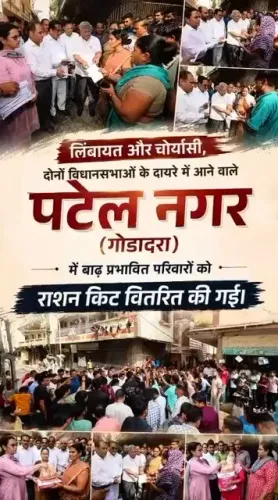
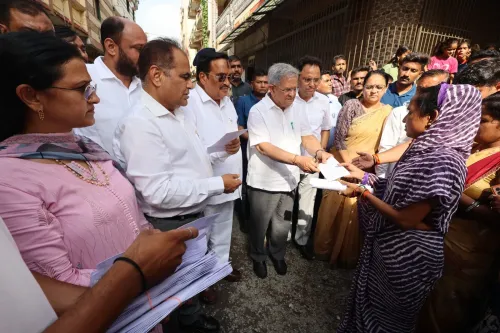
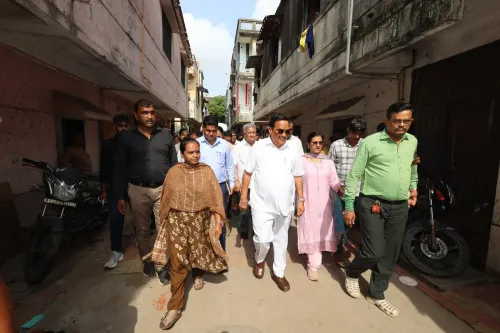
Paatil conducted a grain-kit distribution in Geetanagar and Godadara localities of Limbayat Vidhan Sabha , Surat.
The event was shared via a video post on X (formerly Twitter) on 11 July 2026 .
Limbayat is an urban-semi-urban constituency in Surat district with a large migrant and working-class population.
Gujarat has a precedent of grain-kit drives under the Public Distribution System and state relief programmes, notably during the 2020–22 pandemic period.
BJP Union ministers from Gujarat routinely combine central duties with constituency-level welfare outreach, a pattern established since the early 2000s .
Gujarat assembly elections are scheduled for 2027 , lending political significance to welfare drives in urban Surat seats.
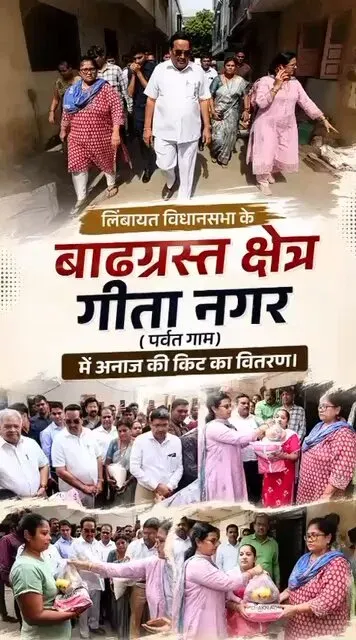
Union Jal Shakti Minister C. R. Paatil shared a glimpse on Saturday, 11 July 2026, of a grain-kit distribution drive he conducted in Geetanagar and Godadara localities of the Limbayat Vidhan Sabha constituency in Surat, Gujarat.
Context
Paatil posted a video on X captioned 'Limbayat Vidhasabha ke Geetanagar, Godadara mein anaaj ki kit ka vitaran kiya us samay ki ek jhalak' — translated as 'A glimpse of the grain-kit distribution carried out in Geetanagar and Godadara of Limbayat Vidhan Sabha.' The post documented a welfare outreach event in two densely populated urban pockets of Surat, a city known for its large migrant and working-class population.
Limbayat is an urban-semi-urban constituency within Surat district that houses significant numbers of industrial workers and lower-income households. Paatil, who serves as a Union Cabinet Minister while retaining deep organisational roots in the Surat belt, has historically maintained an active local presence in the region.
Policy Backdrop
Grain-kit distributions in Gujarat have a precedent under the state's Public Distribution System and periodic urban relief programmes. Similar drives were organised during the 2020–22 pandemic period and subsequent urban welfare pushes, targeting households that fall outside or at the margins of routine ration-card coverage.
The 2026–27 Gujarat state budget session had flagged continued emphasis on subsidised food security in urban centres, though the specific scheme or funding source for this particular distribution in Limbayat could not be independently confirmed from public record at the time of reporting.
Stakeholders and Impact
The primary beneficiaries of such distributions are urban poor households in Geetanagar and Godadara — areas that include migrant workers, daily-wage earners, and lower-middle-class families. Local BJP organisational workers typically assist in logistics and beneficiary identification for such drives, reinforcing the party's grassroots service-delivery network in Surat.
BJP Union ministers from Gujarat have long combined their central portfolio responsibilities with constituency-level welfare outreach. This pattern, consistent since the early 2000s, reflects the party's emphasis on direct, visible service delivery as an organisational tool in urban Gujarat.
What's Next
With Gujarat assembly elections scheduled for 2027, welfare outreach in constituencies like Limbayat is expected to intensify. Any state-level expansion of subsidised grain distribution — whether through fresh budget allocations or an extension of existing relief programmes — will be closely watched as a signal of the ruling party's electoral strategy in urban Surat seats.
Paatil's continued dual engagement — as a Union minister overseeing the Jal Shakti portfolio nationally and as a hands-on political figure in Surat — underscores how central-state coordination on welfare delivery is likely to remain a defining feature of BJP's Gujarat outreach ahead of the next assembly cycle.
Point of View
Such visible service-delivery events serve a dual purpose: reinforcing the party's ground-level organisational network while associating the central government's welfare mandate with local BJP figures. The Surat belt, long a BJP stronghold, requires continuous constituency maintenance precisely because high migrant turnover creates a fluid voter base. Paatil's simultaneous role as a Union minister and a Surat-centric political operator makes him a key node in the party's urban Gujarat strategy.
NationPress
11 Jul 2026
Frequently Asked Questions
What did C. R. Paatil distribute in Limbayat, Surat?
C. R. Paatil distributed grain kits in the Geetanagar and Godadara areas of the Limbayat Vidhan Sabha constituency in Surat, Gujarat, as documented in a video he posted on 11 July 2026.
Where is Limbayat Vidhan Sabha located?
Limbayat is a Vidhan Sabha constituency within Surat district in Gujarat, covering urban and semi-urban localities with significant migrant and working-class populations.
Who is C. R. Paatil?
C. R. Paatil is the Union Minister of Jal Shakti in the Government of India, a senior BJP leader, and a former Gujarat BJP state president with a long-standing political base in the Surat region.
What is the significance of grain-kit distribution in Gujarat?
Gujarat has periodically organised grain-kit distributions under the Public Distribution System and state relief programmes, targeting urban poor and migrant households, with notable drives during the 2020–22 pandemic period.
When are the next Gujarat assembly elections?
Gujarat assembly elections are scheduled for 2027, making welfare outreach events in constituencies like Limbayat politically significant in the run-up to the polls.