Jal Shakti Minister CR Paatil Highlights Ek Ped Maa Ke Naam 3.0
Synopsis
Union Jal Shakti Minister C. R. Paatil shared a video of a grand tree-plantation event under the Ek Ped Maa Ke Naam 3.0 campaign on 15 June 2026, underscoring the government's push to sustain citizen-led afforestation drives linked to water-conservation goals.
Key Takeaways
Union Jal Shakti Minister C.
Paatil posted a video on 15 June 2026 highlighting a large tree-plantation event.
The event was held under Ek Ped Maa Ke Naam 3.0 , the third successive phase of the nationwide afforestation campaign.
The campaign, first launched in 2024 , encourages citizens to plant a tree as a tribute to their mothers.
The Ministry of Jal Shakti links afforestation to water-conservation priorities including groundwater recharge and watershed protection.
State governments and civil-society volunteers are key participants, with cumulative plantation data expected after the monsoon season.
Outcomes from the 3.0 phase may inform future linkages with Jal Jeevan Mission targets and state forest metrics.
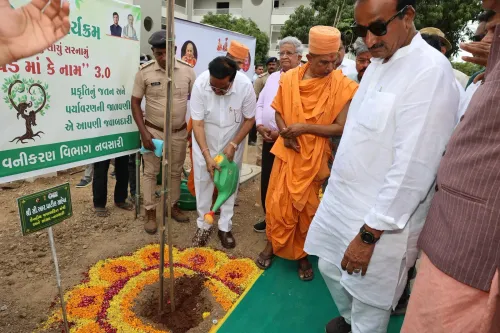
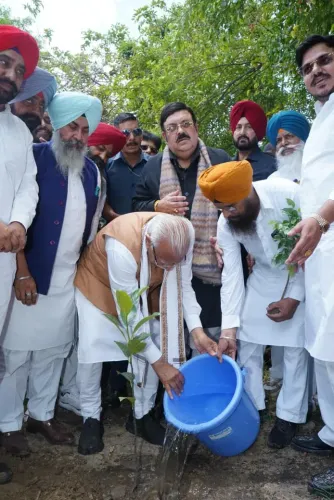
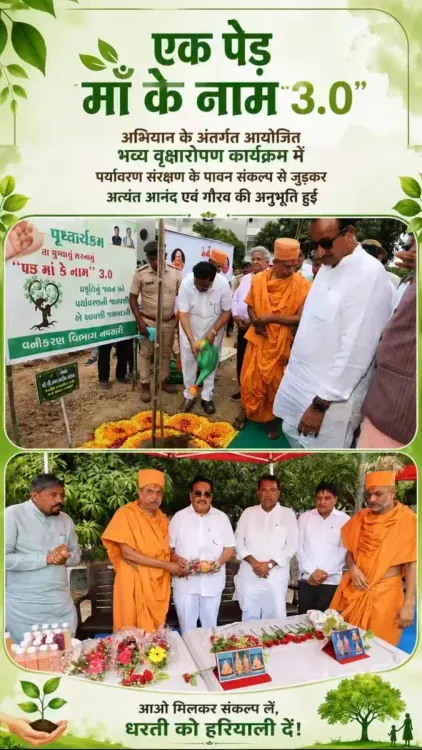
Union Jal Shakti Minister C. R. Paatil on Monday, 15 June 2026 shared a glimpse of a grand tree-plantation event held under the third edition of the Ek Ped Maa Ke Naam campaign, signalling continued government momentum behind the nationwide afforestation drive.
Context
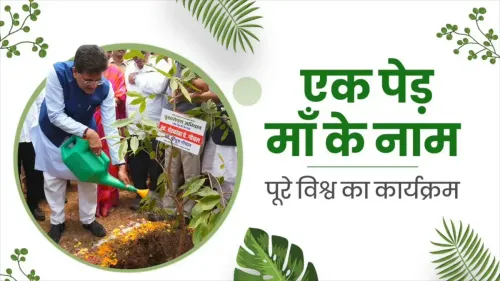
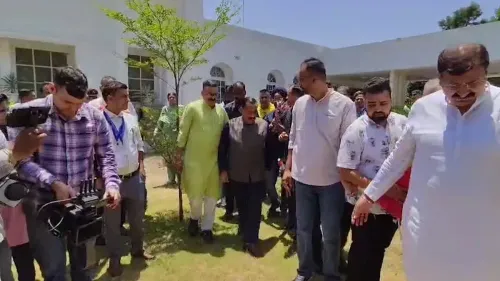
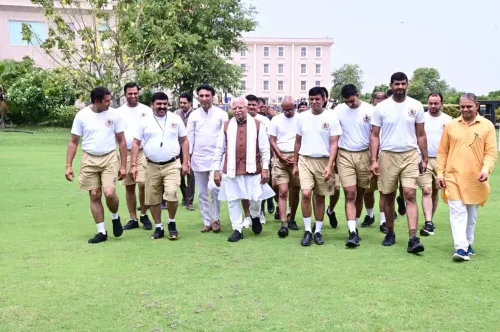
Paatil posted a video on X captioned 'एक पेड़ मा के नाम "3.0" अभियान के अंतर्गत आयोजित भव्य वृक्षारोपण कार्यक्रम की एक झलक' — translated as: 'A glimpse of the grand tree-plantation programme organised under the Ek Ped Maa Ke Naam 3.0 campaign.' The post offered a visual window into what the minister described as a large-scale planting event, without specifying the venue.
The Ek Ped Maa Ke Naam (One Tree in Mother's Name) campaign was first launched nationally in 2024 as a citizen-led initiative encouraging Indians to plant a tree as a tribute to their mothers. The current 3.0 edition represents the campaign's third successive phase, reflecting the government's intent to institutionalise mass plantation as an annual civic ritual.
Policy Backdrop
The Ministry of Jal Shakti has consistently woven afforestation into its broader water-conservation mandate, recognising that tree cover plays a direct role in groundwater recharge, watershed protection, and river rejuvenation — all priorities under the ministry's remit. Large-scale plantation drives organised around the monsoon season are a recurring feature of this approach, allowing saplings to benefit from natural rainfall and improving survival rates.
Successive editions of the campaign have been used to aggregate cumulative plantation numbers and to galvanise state governments, local bodies, and civil-society groups into organising parallel events. The 3.0 phase continues that pattern, with the Ministry expected to report total saplings planted and survival data once the season concludes.
Stakeholders and Impact
The campaign's design is deliberately participatory: ordinary citizens, schoolchildren, resident welfare associations, and local volunteers are the primary actors, with ministers and officials lending visibility through public appearances and social-media outreach. By framing the act of planting as a personal tribute to one's mother, the campaign attempts to convert an environmental obligation into an emotional, culturally resonant gesture.
For the Ministry of Jal Shakti, the optics of a 'grand' event reinforce the ministry's positioning at the intersection of water security and ecological stewardship. State governments that align their plantation targets with the campaign can also claim credit under centrally monitored afforestation metrics, creating a shared incentive structure.
What's Next
Observers will watch for official disclosures on the total number of saplings planted under Ek Ped Maa Ke Naam 3.0, as well as any announcements linking campaign outcomes to state forest targets or Jal Jeevan Mission watershed goals. The monsoon window — typically June through September — is the critical period for plantation survival, and the government is likely to release progress updates before the season ends. Whether the 3.0 edition sets a new benchmark for public participation will shape how the campaign is scaled in future years.
Point of View
Blending civic duty with cultural sentiment to drive mass participation. By entering a third edition, the government signals that it views the campaign not as a one-off gesture but as a durable annual institution — a marker of policy continuity ahead of any future electoral cycles. For the Jal Shakti Ministry specifically, associating water security with tree cover allows it to claim a broader ecological mandate beyond pipes and taps. The real test, however, lies in independently verified survival rates of planted saplings, which will determine whether the campaign's scale translates into lasting ecological gain.
NationPress
19 Sept 2026
Frequently Asked Questions
What is Ek Ped Maa Ke Naam campaign?
Ek Ped Maa Ke Naam, meaning 'One Tree in Mother's Name,' is a nationwide citizen-led tree-plantation campaign launched in India in 2024. It encourages people to plant a tree as a tribute to their mothers, with successive editions — including the current 3.0 phase — aimed at scaling up public participation in afforestation.
What is the Ek Ped Maa Ke Naam 3.0 campaign?
Ek Ped Maa Ke Naam 3.0 is the third edition of the government's mother-tribute tree-plantation drive. It continues the format of large-scale, citizen-involving planting events typically organised during the monsoon season to maximise sapling survival.
What is CR Paatil's role in the tree plantation drive?
C. R. Paatil is the Union Minister of Jal Shakti, the ministry that oversees water resources and has linked afforestation to watershed conservation. He shared a video of a grand plantation event under the 3.0 campaign on 15 June 2026, lending ministerial visibility to the drive.
Why does Jal Shakti Ministry promote tree planting?
The Ministry of Jal Shakti promotes afforestation because tree cover directly supports groundwater recharge, watershed health, and river rejuvenation — all core priorities of the ministry's water-security mandate.
When is the best time for tree plantation in India?
The monsoon season, roughly June through September, is considered the optimal window for tree plantation in India because natural rainfall supports sapling establishment and improves long-term survival rates. Government campaigns like Ek Ped Maa Ke Naam are deliberately timed around this period.