India's Central Asia strategy debated at CRF lecture post Modi's SCO visit
Synopsis
Days after PM Modi's visits to Uzbekistan and Kyrgyzstan for the SCO Summit, a New Delhi think tank convened a pointed debate on India's strategic options in Central Asia — a region where China, Russia, the US, the EU, and Turkey are all actively competing. The core question: can India move beyond historical goodwill and build a durable, operationalised presence in a region no longer willing to be a passive prize?
Key Takeaways
The Chintan Research Foundation (CRF) hosted a special lecture on 3 September in New Delhi on 'The New Great Game in Central Asia'.
Speaker Joseph Epstein , Director of the Turan Research Center (US) , focused on India's positioning alongside China , Russia , the US , the EU , and Turkey .
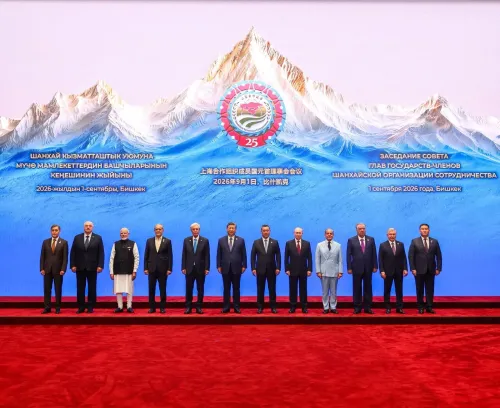
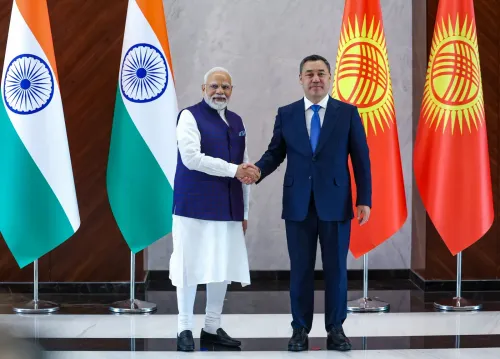
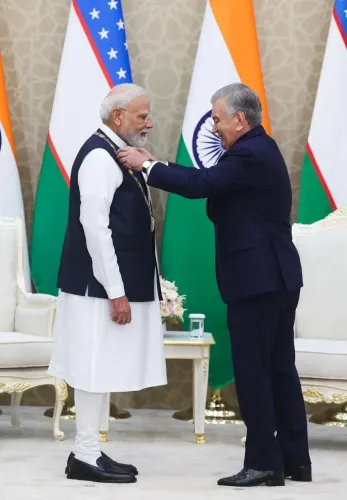
The event followed PM Narendra Modi 's visits to Uzbekistan and the Kyrgyz Republic , including the 26th SCO Summit in Bishkek .
CRF fellows highlighted that Central Asian nations — Kyrgyzstan , Kazakhstan , Turkmenistan , Uzbekistan , Tajikistan — are now independently shaping their foreign policies.
Discussions covered India's historical ties, current connectivity ambitions, and its strategic fit within multilateral frameworks like the SCO .
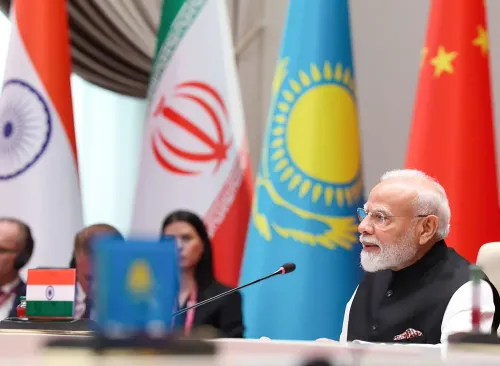
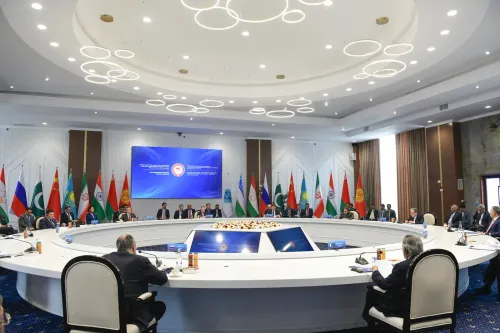
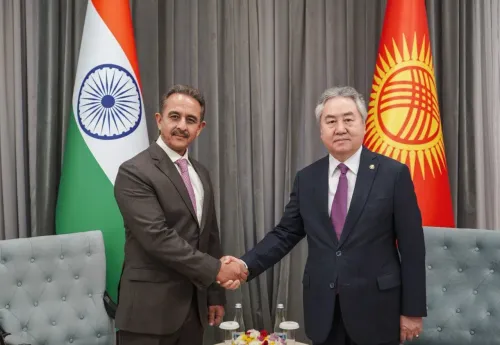
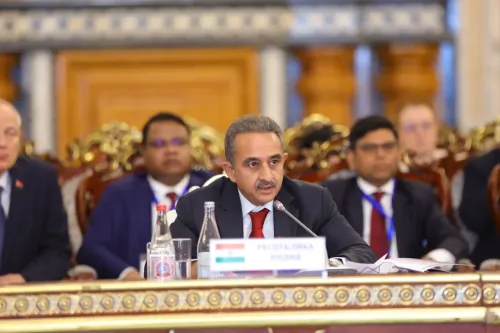
The Chintan Research Foundation (CRF) on Thursday, 3 September hosted a special lecture by Joseph Epstein, Director of the Turan Research Center in the United States, examining 'The New Great Game in Central Asia' — with a sharp focus on India's strategic positioning in the region alongside major powers including China, Russia, the United States, the European Union (EU), and Turkey. The event came days after Prime Minister Narendra Modi concluded visits to Uzbekistan and the Kyrgyz Republic, including his attendance at the 26th Shanghai Cooperation Organisation (SCO) Summit in Bishkek.
Why the Timing Matters
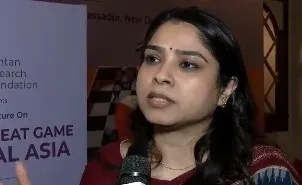
Ayushi Saini, Research Consultant for Central Asia at CRF, described the event's timing as 'very crucial', noting that discussions centred on how India navigates regional connectivity and the role of multilateral frameworks such as the SCO. 'We discussed how to navigate regional connectivity, the important role of organisations like the SCO, and where India fits amidst the interests of these major actors,' she said.
Saini added that the lecture explored India's historical ties with the region, evolving current dynamics, and New Delhi's deepening interest in the five Central Asian republics — Kyrgyzstan, Kazakhstan, Turkmenistan, Uzbekistan, and Tajikistan.
How Central Asia Views Itself in the New Geopolitics
Dr Chhavi Vasisht, Associate Fellow at CRF, offered historical context, drawing a contrast between 19th-century power dynamics and today's more assertive Central Asian posture. 'In the past, if we talk about the 19th century, Russia and the UK were major powers that ruled or used the resources in Central Asia. But today, there are other major powers present,' she said.
'Central Asian countries no longer say, “Come and take our resources”. That era of old-style colonialism is gone. In this new paradigm and new geopolitics, these countries are independently making decisions, independently pursuing their foreign policies, and navigating the new great power dynamics,' Vasisht noted.
India's Foreign Policy Goals in Focus
Vasisht said the lecture largely examined how Central Asian nations are responding to great-power competition and how those powers, in turn, are engaging with the region. Following Modi's recent visit, the event also sought to address the broader question of what India's foreign policy goals and ambitions are within the shifting great-power landscape in Central Asia.
India and the SCO Framework
India's engagement with Central Asia has gained momentum through multilateral platforms, particularly the SCO, where New Delhi has sought to balance relationships with both Russia and China. Analysts note that India's connectivity ambitions, including the International North-South Transport Corridor (INSTC), give it a distinct economic stake in the region. As great-power competition in Central Asia intensifies, India's ability to articulate and operationalise a coherent regional strategy will be closely watched.
Point of View
Investment volume, and institutional presence to match China or Russia's footprint. Modi's SCO attendance signals intent, but intent without operationalised connectivity remains rhetorical. Central Asian states are shrewder partners than they were a generation ago and will not reward presence with preference unless India brings tangible offers. The real test of India's positioning will come not in lecture halls but in whether INSTC and bilateral trade agreements gain traction before China's Belt and Road consolidates the region's logistics architecture.
NationPress
19 Oct 2026
Frequently Asked Questions
What was the CRF lecture on Central Asia about?
The Chintan Research Foundation hosted a special lecture on 3 September in New Delhi titled 'The New Great Game in Central Asia', examining India's strategic positioning alongside China, Russia, the US, the EU, and Turkey. It covered India's historical ties, current foreign policy goals, and the evolving assertiveness of Central Asian republics.
Who spoke at the Chintan Research Foundation event?
The featured speaker was Joseph Epstein, Director of the Turan Research Center in the United States. CRF's own experts — Research Consultant Ayushi Saini and Associate Fellow Dr Chhavi Vasisht — also contributed to the discussion.
Why was this lecture held immediately after PM Modi's Central Asia visit?
The event was timed to coincide with PM Narendra Modi's visits to Uzbekistan and the Kyrgyz Republic, including his attendance at the 26th SCO Summit in Bishkek. CRF described the timing as 'very crucial' for assessing India's foreign policy direction in the region.
Which Central Asian countries are central to India's engagement?
India's engagement focuses on five republics: Kyrgyzstan, Kazakhstan, Turkmenistan, Uzbekistan, and Tajikistan. The lecture examined how each perceives India and what steps are being taken to strengthen bilateral partnerships.
How are Central Asian countries approaching great-power competition today?
According to Dr Chhavi Vasisht of CRF, Central Asian nations are no longer passive recipients of external influence — they are independently shaping their foreign policies and navigating relationships with multiple great powers simultaneously, marking a clear departure from 19th-century patterns of external domination.