Colombo Security Conclave adopts 2026–27 roadmap in Maldives
Synopsis
India, the Maldives, Sri Lanka and Mauritius have locked in a two-year security roadmap covering maritime threats, terrorism, trafficking, cyber security and disaster relief. NSA Ajit Doval called the Colombo Security Conclave the intersection of India's Neighbourhood First policy and its MAHASAGAR vision. Australia and Malaysia attended as guests.
Key Takeaways
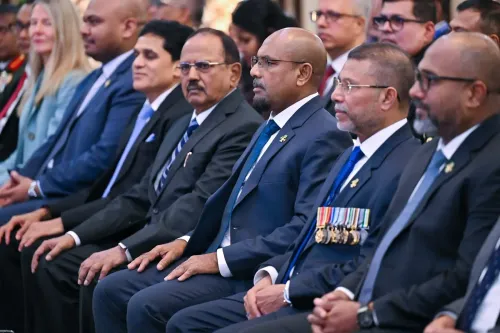
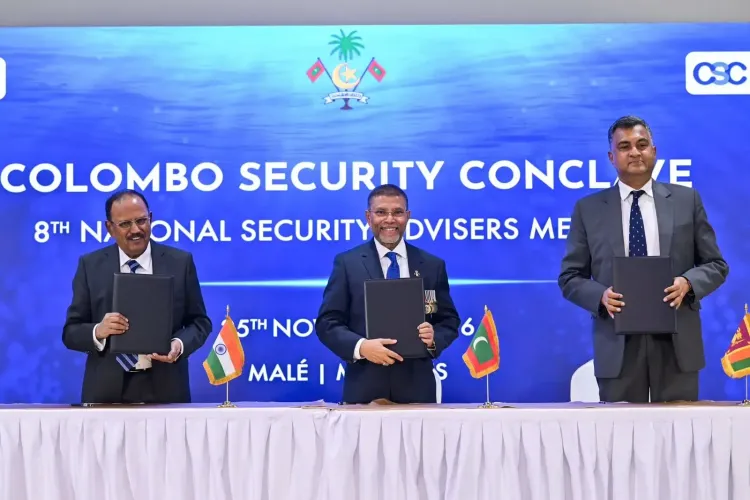
The 8th NSA Level Meeting of the Colombo Security Conclave was held in the Maldives .
Member states signed the Agreed Minutes and adopted the Roadmap of Cooperation for 2026–2027 , according to a joint statement issued on Thursday .
The roadmap spans five pillars : maritime security, counter-terrorism, anti-trafficking, cyber security and humanitarian assistance and disaster relief.
NSA Ajit Doval said the CSC marks the intersection of India's Neighbourhood First outlook and the MAHASAGAR vision.
Australia and Malaysia took part as guests.
Secretary General Vice Admiral S.N.
Ghormade (retd) reviewed progress on decisions from the 7th meeting held in New Delhi on 20 November 2025 .
The Colombo Security Conclave (CSC) has adopted a Roadmap of Cooperation for 2026–2027 at its 8th National Security Advisor (NSA) Level Meeting in the Maldives. Member states signed the Agreed Minutes and reaffirmed their commitment to regional peace and security, according to a joint statement issued on Thursday. India's delegation was led by National Security Advisor Ajit Doval, who described the grouping as central to New Delhi's regional security outlook.
Key Developments at the 8th NSA Meeting
The joint statement said the CSC member states, including the Maldives, India, Mauritius (which participated virtually) and Sri Lanka, signed the Agreed Minutes and adopted the roadmap for the next two years.
The roadmap sets out key deliverables and planned activities under the grouping's five pillars of cooperation:
- Maritime Safety and Security
- Countering Terrorism and Radicalisation
- Combating Trafficking and Transnational Organised Crime
- Cyber Security and Protection of Critical Infrastructure and Technology
- Humanitarian Assistance and Disaster Relief
“Member States placed emphasis on strengthening collaboration across the five pillars of cooperation, particularly through training, sharing best practices and capacity-building initiatives, while underlining the importance of continued collective efforts towards advancing the objectives of the Colombo Security Conclave,” the statement read.
Who Led the Delegations
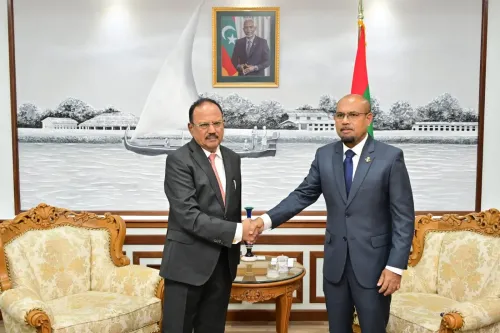
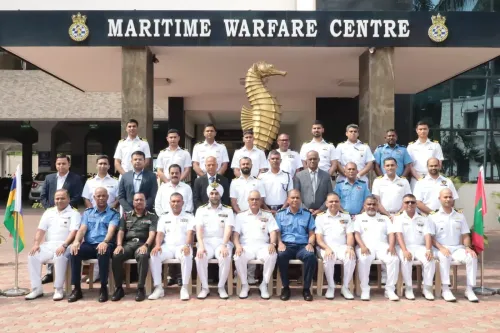
The Maldivian delegation was led by Lt. Col. (Retd.) Ibrahim Latheef, National Security Advisor of the Maldives. India was represented by Ajit Doval, National Security Advisor to the Prime Minister. Sri Lanka's delegation was headed by Sampath Thuyacontha, Secretary, Ministry of Defence. Bangladesh was represented by Lieutenant General Faizur Rahman, Commandant, National Defence College.
Australia and Malaysia attended as guests. Australia was represented by Sarah Storey, First Assistant Secretary, South and Southeast Asia Group and Head of the Office of Southeast Asia in the Department of Foreign Affairs and Trade. Malaysia sent Khairul Azhar (Nik) bin Abu Bakar, Director from the Maritime Security and Sovereignty Division at the National Security Council in the Prime Minister's Department.
Review of Progress Since New Delhi
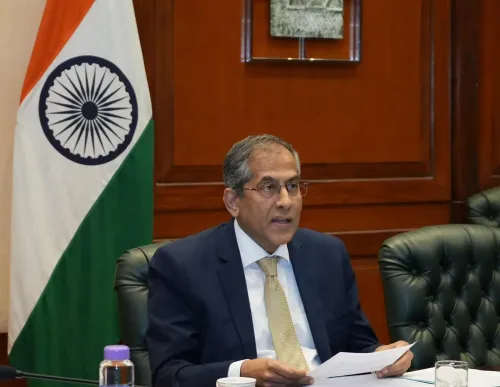
During Wednesday's session, the CSC's first Secretary General, Vice Admiral S.N. Ghormade (retd), presented a comprehensive review of the steps taken to implement the decisions of the 7th NSA Level Meeting, held in New Delhi on 20 November 2025, the statement said.
The review provides continuity between the two meetings. It signals that the grouping is tracking implementation rather than simply issuing declarations at each round.
What India Said
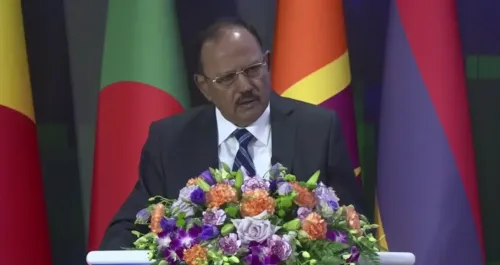
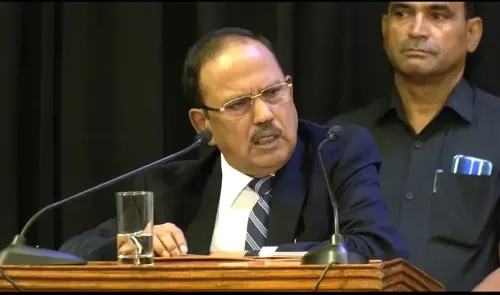
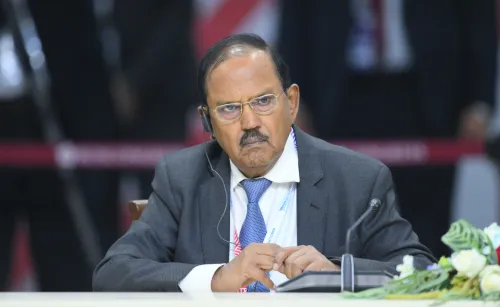
Addressing the meeting on Wednesday, Doval said India was committed to working closely with CSC members to build collective capacity against emerging threats. He framed the conclave as a meeting point of two of India's key foreign policy frameworks.
“For India, the Colombo Security Conclave represents the intersection of our Neighbourhood-First outlook and the MAHASAGAR vision, which stands for Mutual and Holistic Advancement for Security and Growth Areas. We are committed to continue working closely with the CSC countries to enhance our collective capacities in dealing with the evolving serious security challenges,” Doval said.
Why It Matters
The five pillars cover the most pressing security concerns in the Indian Ocean region, from maritime threats and terrorism to cyber attacks and natural disasters. These are areas where small island states and larger neighbours depend heavily on shared intelligence and coordinated response.
The presence of Australia and Malaysia as guests also points to wider interest in the format beyond South Asia. With the 2026–27 roadmap now adopted, attention will turn to how quickly its training, information-sharing and capacity-building commitments are carried out on the ground.
Point of View
But that also risks diluting a tight, neighbourhood-centric agenda. The real measure of the 2026–27 roadmap will be concrete results: joint exercises, shared maritime domain awareness and faster disaster response. Communiqués that repeat the same five pillars every year will not be enough.
NationPress
26 Nov 2026
Frequently Asked Questions
What did the Colombo Security Conclave decide at its 8th NSA meeting?
Member states signed the Agreed Minutes and adopted the Roadmap of Cooperation for 2026–2027 at the meeting in the Maldives. The roadmap sets out deliverables and activities under the grouping's five pillars of cooperation.
What are the five pillars of the Colombo Security Conclave?
The five pillars are Maritime Safety and Security; Countering Terrorism and Radicalisation; Combating Trafficking and Transnational Organised Crime; Cyber Security and Protection of Critical Infrastructure and Technology; and Humanitarian Assistance and Disaster Relief.
What did Ajit Doval say at the Colombo Security Conclave?
Doval said the CSC represents the intersection of India's Neighbourhood-First outlook and the MAHASAGAR vision. He added that India is committed to working closely with CSC countries to strengthen collective capacities against evolving security challenges.
What does MAHASAGAR stand for?
MAHASAGAR stands for Mutual and Holistic Advancement for Security and Growth Areas, according to NSA Ajit Doval. It is India's vision for regional security and growth cooperation.
Which countries attended the 8th CSC NSA meeting?
Delegations from the Maldives, India, Sri Lanka and Bangladesh attended, while Mauritius took part virtually. Australia and Malaysia participated as guests.