CSIR-NIIST and 3CousinLabs ink MoU to turn seasonal fruit into bioethanol
Synopsis
A government research lab and a Hyderabad start-up are betting that mango, watermelon, and jackfruit could fuel India's next bioenergy push. CSIR–NIIST's pilot trials in 150–200 litre batches will determine whether fruit-based bioethanol can scale commercially — and whether surplus farm produce can be turned into a revenue stream rather than a write-off.
Key Takeaways
CSIR–NIIST (Thiruvananthapuram) and 3CousinLabs (Hyderabad) signed an MoU on 2 July to validate fruit-based bioethanol technology.
Pilot-scale trials will be conducted in batches of 150–200 litres to generate engineering data for scale-up.
Target fruits include mango, pineapple, watermelon, jackfruit, and tomato , sourced from Andhra Pradesh and Telangana .
The project is aligned with the Centre's Ethanol Blended Petrol (EBP) Programme and aims to diversify ethanol feedstocks.
Successful validation could support decentralised bioethanol units and create new income streams for farmers and farmer producer organisations.
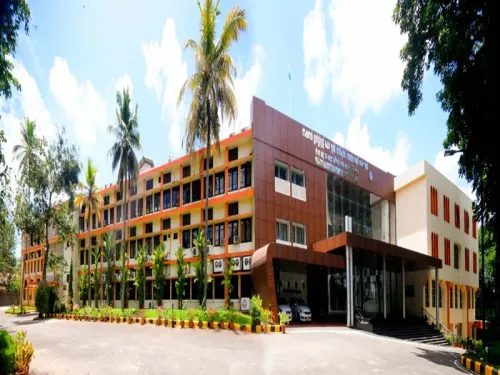
CSIR–National Institute for Interdisciplinary Science and Technology (CSIR–NIIST), Thiruvananthapuram, has signed a Memorandum of Understanding (MoU) with Hyderabad-based biotechnology start-up 3CousinLabs (3CL) to evaluate the commercial viability of producing bioethanol from seasonal fruits. The agreement, formalised on Thursday, 2 July, could open a new feedstock pathway for India's biofuel sector while simultaneously addressing post-harvest losses in horticulture.
What the MoU Covers
The partnership centres on a consultancy project titled 'Pilot-Scale and Feasibility Studies for the Production of Ethanol from Fruit Pulp and Juices'. Under the arrangement, CSIR–NIIST will provide pilot-scale validation, process optimisation, and engineering support before any commercial deployment of the technology developed by 3CousinLabs.
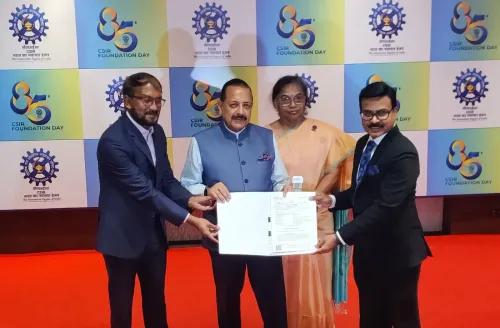
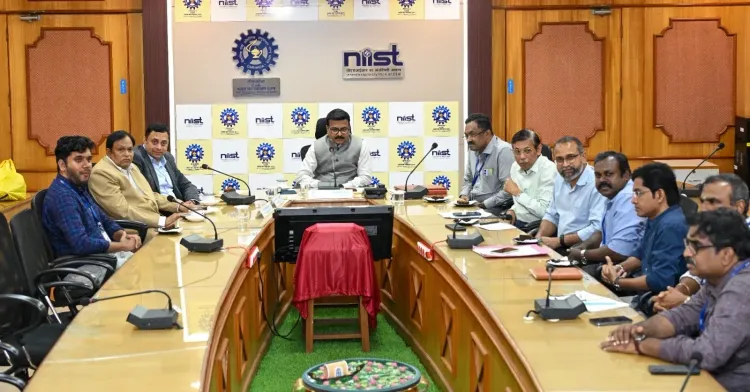
The MoU was exchanged between CSIR–NIIST Director C. Anandharamakrishnan and 3CousinLabs Managing Director P. Srinivas, in the presence of scientists, company representatives, and project collaborators.
Pilot Trials and Technical Scope
As part of the feasibility study, CSIR–NIIST will conduct pilot-scale trials in batches of 150–200 litres to generate critical engineering data for technology validation, scale-up, and techno-economic assessment. The project will assess the potential of converting a wide range of seasonal fruits available in Andhra Pradesh and Telangana into bioethanol.
3CousinLabs, incubated at the Atal Incubation Centre–Centre for Cellular and Molecular Biology Medical Biotechnology Complex in Hyderabad, has already developed processes to produce bioethanol from fruits including mango, pineapple, watermelon, jackfruit, and tomato.
Impact on Farmers and Post-Harvest Losses
A key motivation behind the initiative is the productive utilisation of surplus, unsold, and processing-grade fruits that are routinely wasted due to their perishable nature. Converting such agricultural surplus into bioethanol could reduce post-harvest losses, improve resource efficiency, and generate an additional income stream for farmers and farmer producer organisations.
Officials noted that the technology could also promote value addition within the horticulture sector and advance circular economy principles by channelling agricultural waste into clean, renewable energy.
Alignment with National Biofuel Goals
The project is aligned with the Centre's Ethanol Blended Petrol (EBP) Programme, which encourages diversification of ethanol feedstocks to strengthen India's renewable energy ecosystem and bioeconomy. Notably, India has been progressively raising its ethanol blending targets, and expanding feedstock diversity beyond sugarcane is considered critical to sustaining that trajectory.
Successful pilot validation at CSIR–NIIST is expected to pave the way for the establishment of decentralised bioethanol production units utilising locally available seasonal fruits — and, potentially, for wider industrial adoption of the technology.
Point of View
Creating seasonal supply bottlenecks and price volatility. Fruit-based bioethanol, if validated at pilot scale, could be a genuine diversification — but the economics are unproven. Post-harvest losses in horticulture run into thousands of crores annually, and turning that waste into fuel feedstock is an elegant idea. The harder question is unit economics: fruit pulp is heterogeneous, seasonal, and geographically dispersed, which makes consistent feedstock supply for industrial-scale plants a logistics challenge. The 150–200 litre batch trials will be the first real stress test of whether this technology can survive contact with commercial reality.
NationPress
1 Oct 2026
Frequently Asked Questions
What is the CSIR-NIIST and 3CousinLabs MoU about?
The MoU, signed on 2 July, establishes a consultancy partnership to assess the technical and commercial feasibility of producing bioethanol from seasonal fruit pulp and juices. CSIR–NIIST will conduct pilot-scale trials and provide process optimisation support for technology developed by 3CousinLabs.
Which fruits are being used to produce bioethanol?
3CousinLabs has developed processes using mango, pineapple, watermelon, jackfruit, and tomato. The pilot study will focus on seasonal fruits available in Andhra Pradesh and Telangana.
How large are the pilot-scale trials planned at CSIR-NIIST?
CSIR–NIIST will conduct trials in batches of 150–200 litres to generate engineering data for technology validation, scale-up, and techno-economic assessment.
How does this project connect to India's national biofuel policy?
The project is aligned with the Centre's Ethanol Blended Petrol (EBP) Programme, which seeks to diversify ethanol feedstocks beyond sugarcane to strengthen India's renewable energy ecosystem and bioeconomy.
What are the expected benefits for farmers?
By converting surplus, unsold, and processing-grade fruits into bioethanol, the project could reduce post-harvest losses, improve resource efficiency, and create additional income streams for farmers and farmer producer organisations.