CTI urges Delhi to stop blaming Diwali firecrackers, focus on stubble burning
Synopsis
Delhi's top trade body has thrown down a data-backed challenge: AQI was already between 350–400 before a single Diwali cracker was lit this year, so why are 10 lakh firecracker-industry workers being penalised while stubble burning in neighbouring states continues unchecked? The CTI's statement reframes the pollution debate from a festival-enforcement issue to a governance accountability question.
Key Takeaways
The Chamber of Trade and Industry (CTI) on 10 November urged Delhi authorities to stop blaming Diwali firecrackers for the city's air pollution crisis.
CTI Chairman Brijesh Goyal cited Delhi's AQI of 350–400 on 5, 6 and 7 November — days before firecrackers were burst on 8 November — as evidence firecrackers are not the primary cause.
The CTI identified stubble burning in neighbouring states as the structural driver of Delhi's October–January pollution spike.
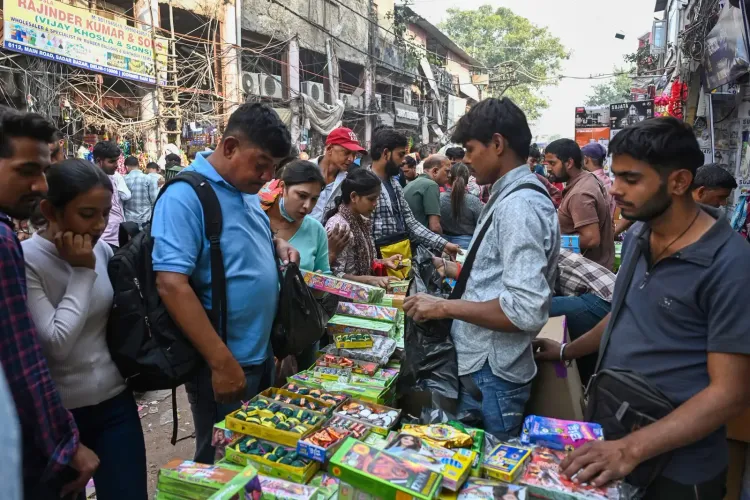
Nearly 10 lakh people — from Sivakasi manufacturers to Delhi retailers — depend on the firecracker industry for their livelihoods, with most annual income earned in the 15–20 days around Diwali.
The trade body called for a balanced approach : fewer firecrackers, designated hours, and green crackers — not an outright ban.
CTI also questioned the selective enforcement of environmental rules around Hindu festivals compared to other occasions such as New Year's Eve .
The Chamber of Trade and Industry (CTI) on 10 November called on authorities to stop singling out Diwali firecrackers as the primary cause of Delhi's air pollution, arguing that the city's deteriorating winter air quality is driven by multiple factors — most significantly stubble burning in neighbouring states — and that selective firecracker bans are economically damaging without guaranteeing cleaner air.
CTI's Core Argument Against Firecracker Bans
CTI Chairman Brijesh Goyal said the organisation is not against clean air but believes blaming firecrackers used on a single day for the city's sustained pollution crisis is unjustified. 'Stop the fashion of always making firecracker traders and Diwali firecrackers the villains for pollution,' the CTI said in its statement.
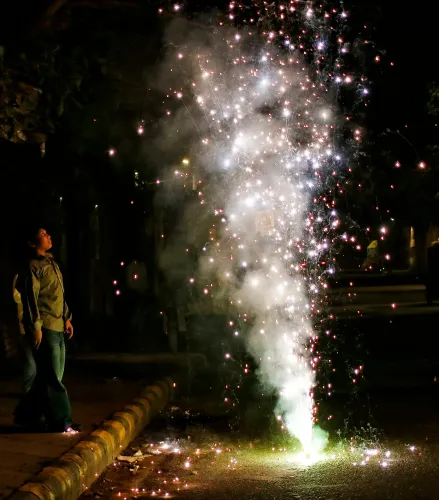
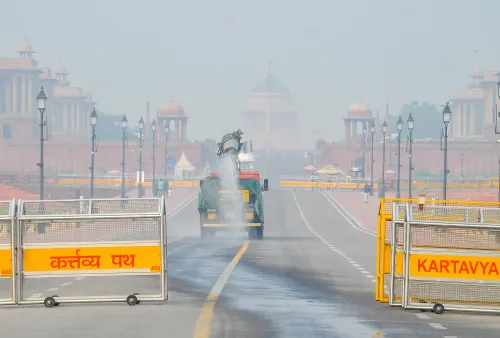
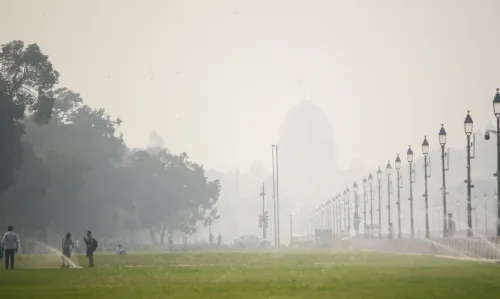
The trade body cited specific data to support its position: Delhi's Air Quality Index (AQI) reportedly remained between 350 and 400 on 5, 6 and 7 November, days before firecrackers were burst on 8 November. The CTI argued this sequence demonstrated that firecrackers were not the root cause of the pollution episode, and that attributing the crisis to them was 'the easiest approach while ignoring other contributing factors.'
Stubble Burning Identified as the Structural Problem
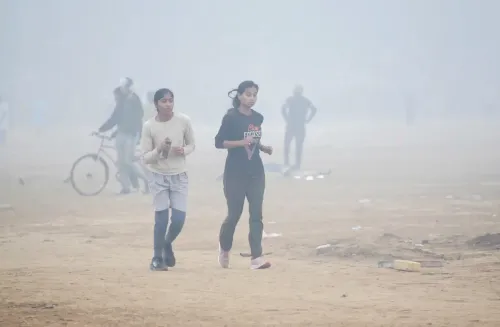
The CTI pointed to the seasonal pattern of Delhi's air quality as evidence of stubble burning's outsized role. The city's AQI deteriorates sharply every year between October and January — when paddy stubble burning peaks in Punjab and Haryana — and improves between March and September when it stops. The organisation called on the Centre and neighbouring states to coordinate more urgently on ending stubble burning, rather than repeatedly returning to firecracker restrictions as a policy lever.
The CTI also asked whether any credible and accountable organisation could guarantee that Delhi's AQI would stay below 300 between October and January even if firecracker sales were completely stopped. It said it could persuade Delhi-based firecracker traders within its network to refrain from selling next year — but questioned whether that would meaningfully move the needle on winter pollution.
Economic Impact on the Firecracker Trade
Beyond the environmental argument, the CTI highlighted the livelihood stakes. According to the organisation, nearly 10 lakh people across India are linked to the firecracker industry — from manufacturing units in Sivakasi, Tamil Nadu, to retail traders in Delhi. Small traders, it said, invest capital throughout the year and earn a substantial share of their annual income during the 15–20 days surrounding Diwali. Last-minute restrictions, the CTI argued, strand those investments and cause significant financial losses.
The body also questioned why traders continue to face restrictions even as manufacturers have shifted to producing green firecrackers in compliance with court directions.
Calls for Equal Application of Environmental Law
The CTI raised a broader concern about what it described as selective enforcement of environmental rules during Hindu festivals. It cited restrictions linked to firecrackers during Diwali, water use during Holi, the Yamuna river during Chhath Puja, DJ music during Kanwar Yatra, and idol immersion during Ganesh Chaturthi. 'Why do the rules, restrictions and legal petitions come first and most strictly in the case of Hindu festivals?' the organisation asked.
It also questioned why comparable attention was not paid to firecrackers burst across the country at midnight on New Year's Eve, and alleged that certain practices involving blood and water discharge in the name of tradition proceeded without similar public or legal scrutiny.
'Our demand is that the law should be equal for everyone,' the CTI said, adding that its own position supports fewer firecrackers, bursting them within designated hours, and promoting green alternatives — rather than outright prohibition. 'We do not want to teach children that the meaning of festivals is only restrictions,' it said.
What Happens Next
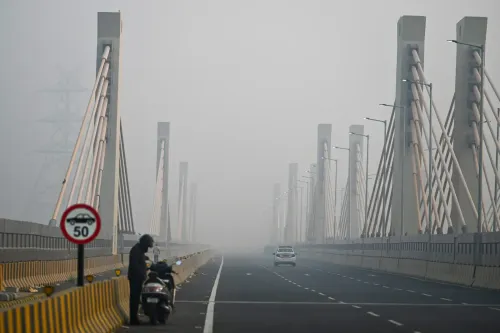
The CTI's statement arrives as Delhi's AQI continues to fluctuate in the 'very poor' to 'severe' range typical of early winter. With the Commission for Air Quality Management (CAQM) expected to review its Graded Response Action Plan (GRAP) protocols in the coming weeks, pressure is likely to mount on both state and central authorities to reconcile environmental targets with the economic and cultural concerns the trade body has raised. Whether authorities move toward a more comprehensive stubble-burning enforcement framework — rather than festival-specific restrictions — will be closely watched.
Point of View
But the sequencing data it cites this year — AQI above 350 on the three days before Diwali — is harder to dismiss than in previous cycles. Delhi's pollution governance has long defaulted to firecracker bans as a visible, enforceable action that satisfies court scrutiny without touching the far more politically complex problem of stubble burning, which requires sustained pressure on Punjab and Haryana state governments. The economic complaint about 10 lakh livelihoods is legitimate and largely absent from elite policy discourse. The selective-enforcement argument, however, risks sliding into communal framing; the stronger case rests purely on the epidemiological and economic evidence, which is substantial enough on its own.
NationPress
10 Nov 2026
Frequently Asked Questions
What is the CTI's main demand regarding Delhi's air pollution?
The Chamber of Trade and Industry (CTI) has demanded that authorities stop holding Diwali firecrackers solely responsible for Delhi's pollution and instead focus on coordinated action against stubble burning in neighbouring states. The organisation supports fewer firecrackers and green alternatives but opposes an outright ban.
What AQI data did the CTI cite to support its argument?
The CTI pointed out that Delhi's AQI remained between 350 and 400 on 5, 6 and 7 November — the three days before firecrackers were burst on 8 November. It argued this shows the pollution episode was already severe before any firecrackers were lit, undermining the claim that they are the primary cause.
How many people does the firecracker industry employ in India?
According to the CTI, nearly 10 lakh people across India are linked to the firecracker industry, from manufacturing units in Sivakasi, Tamil Nadu, to retail traders in Delhi. Small traders earn a large share of their annual income in the 15–20 days around Diwali, making last-minute bans particularly damaging.
Why does the CTI link stubble burning to Delhi's winter pollution?
The CTI argues that Delhi's AQI deteriorates every year between October and January — when paddy stubble burning peaks in Punjab and Haryana — and improves between March and September when it stops. It says this seasonal pattern points to stubble burning, not Diwali firecrackers, as the structural driver of winter air quality decline.
What is the CTI's position on green firecrackers and festival restrictions?
The CTI supports the use of green firecrackers produced in compliance with court directions, and advocates bursting them only during designated hours rather than a complete ban. It also raised concerns about what it called selective enforcement of environmental rules during Hindu festivals such as Diwali, Holi, Chhath, and Ganesh Chaturthi compared to other occasions.