How Did Delhi Achieve Zero Paddy Stubble Burning This Winter?

Synopsis
Discover how Delhi achieved a remarkable milestone by recording zero incidents of paddy stubble burning this winter. Chief Minister Rekha Gupta attributes this success to strategic government policies and collaborative efforts, marking a significant victory in pollution control. Dive into the details of this transformative approach to environmental management.
Key Takeaways
Zero incidents of stubble burning recorded in Delhi this winter.
Collaboration between Agriculture and Environment Departments was crucial.
Continuous monitoring and farmer engagement were key components.
Winter Action Plan was strictly enforced for pollution control.
Awareness campaigns were conducted to educate farmers.
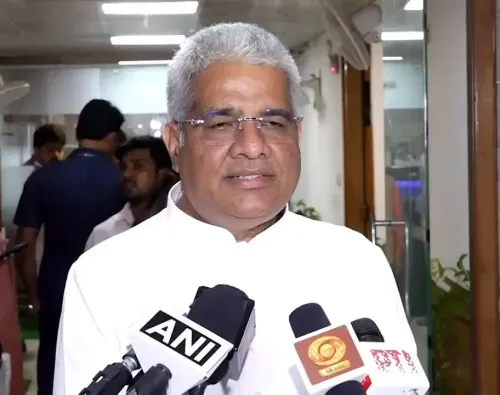
On December 13, Delhi Chief Minister Rekha Gupta announced that the city recorded no instances of stubble burning throughout the winter season, showcasing a major triumph of the government's pollution management strategy.
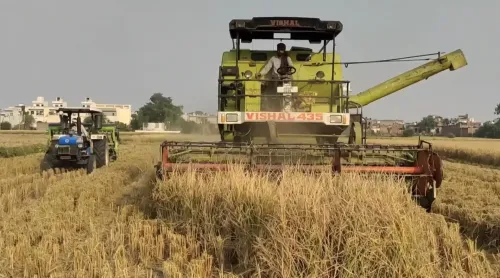
In 2025, paddy was harvested from around 7,000 acres of land, yet the dedicated and systematic interventions from the department led to a remarkable achievement of zero stubble burning incidents.
Gupta emphasized that this accomplishment was made possible through collaborative efforts between the Agriculture Unit of the Development Department and the Environment Department, continuous monitoring, and strong farmer engagement.
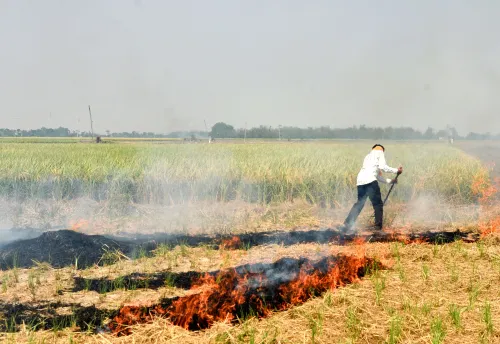
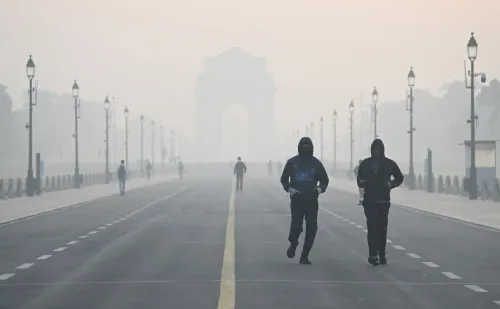
Winter air quality deterioration presents a serious challenge for Delhi, with stubble burning being a primary contributor.
In response, the Delhi Government enforced the ‘Winter Action Plan’ as per the guidelines from the Commission for Air Quality Management (CAQM), she stated.
The Agriculture Unit, together with the Environment Department, adopted a zero-tolerance approach towards stubble burning and crop residue incineration, Gupta explained.
This success illustrates that pollution-related challenges can be effectively mitigated through appropriate policies, robust implementation, and farmer participation, stated CM Gupta.
She also mentioned that around-the-clock operations were initiated, with daily assessments led by Development Commissioner Shurbir Singh to ensure vigilant oversight of any stubble-burning activities and to facilitate prompt action against violations.
Furthermore, the Development Department conducted extensive field monitoring and education campaigns to deter stubble burning.
As part of this initiative, 11 teams consisting of Agriculture Extension Officers and Extension Assistants were assigned to perform continuous patrols across five key paddy-producing districts: North, North-West, South, South-West, and West. They monitored fields while simultaneously educating farmers about the detrimental effects of stubble burning.
Point of View
The achievement of zero stubble burning incidents in Delhi during the winter season highlights the effectiveness of government policies when implemented with community involvement. This case exemplifies how strategic planning and coordination among various departments can lead to significant environmental improvements.
NationPress
20 Sept 2026
Frequently Asked Questions
What measures were taken to prevent stubble burning in Delhi?
The Delhi government enforced a zero-tolerance policy towards stubble burning, implemented the 'Winter Action Plan', and coordinated efforts between the Agriculture and Environment Departments.
How much land was used for paddy cultivation in 2025?
Approximately 7,000 acres of land were used for paddy cultivation in 2025.
Who monitored the stubble burning prevention efforts?
Development Commissioner Shurbir Singh led daily reviews to ensure strict monitoring of stubble burning activities.
How did the government engage farmers in this initiative?
The government engaged farmers through awareness campaigns and by deploying teams to educate them on the harmful effects of stubble burning.
What is the significance of this achievement?
This achievement demonstrates that effective pollution control is possible through right policies, efficient implementation, and community participation.